7-Acetoxy-4-methylcoumarin is a chemical compound widely used in life science research applications. It belongs to the category of phenylpropanoids and aromatic polyketides, which are known for their complex chemical structures and reactive properties. This compound is commonly found in laboratory settings where it serves as a key reagent or building block in various synthetic processes. Its stability and controlled reactivity make it a reliable choice for researchers working in biochemical and analytical fields.
The compound's unique chemical characteristics, including its ability to react with a variety of reagents under specific conditions, make it a preferred choice in laboratory experiments. Its molecular structure allows it to participate in multiple chemical reactions, making it versatile for different research purposes. The compound's stability ensures consistent results, while its reactivity allows for precise control over experimental outcomes. These properties contribute to its widespread use in both academic and industrial research environments.
In Indonesian laboratories, 7-Acetoxy-4-methylcoumarin is frequently utilized in biochemical, pharmacological, and organic compound analysis studies. Its role as a reagent or indicator in chemical reactions makes it essential for researchers exploring the properties of organic molecules. The compound's reliability and versatility have made it a standard component in many laboratory workflows, supporting a broad range of scientific investigations.
TCI brochures (PDF)
- Polyphenols 2024-12-05 · p. 2
Related TCI products
- TCI A1184 5912-87-8 1-Acetoxy-2-methoxy-4-[(E)-1-propenyl]benzene
- TCI A0069 1163-67-3 3-Acetoxy-2-naphthanilide
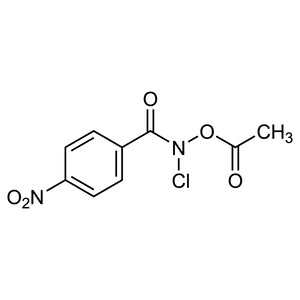
- TCI A3694 2991507-62-9 N-Acetoxy-N-chloro-4-nitrobenzamide
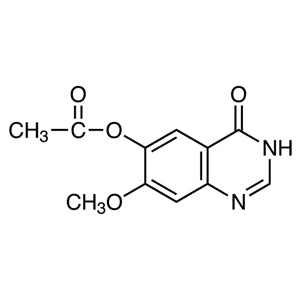
- TCI A2717 179688-53-0 6-Acetoxy-7-methoxy-3H-quinazolin-4-one
- TCI A2678 1580548-81-7 1-Acetoxy-5-bromo-1,2-benziodoxol-3(1H)-one
- TCI A1558 168899-58-9 3-Acetoxy-2-methylbenzoic Acid
- Biochemical Research: This compound is used for its reactivity and stability in synthesizing complex organic molecules, supporting studies in metabolic pathways and enzyme activity.
- Pharmacological Studies: It serves as a tool for drug development and testing, helping to analyze the interactions of compounds with biological systems.
- Organic Compound Analysis: Its chemical properties make it ideal for identifying and characterizing organic compounds through spectroscopic and chromatographic methods.
- Chemical Synthesis: It acts as a building block in the synthesis of various derivatives, contributing to the development of new chemical entities.
- Analytical Chemistry: It is used as an indicator in certain chemical reactions, aiding in the detection and quantification of specific compounds in samples.
| Brand | TCI |
|---|---|
| CAS number | 2747-05-9 |
| Molecular formula | — |
| Purity | — |
| Category | Life Science > Biochemicals and Reagents > Phenylpropanoids, Aromatic Polyketides |
| Pack sizes | Available in various quantities as per standard laboratory supply formats |
| Physical form | Solid (may vary depending on supplier packaging) |
| Storage | Store in a cool, dry place away from direct light and moisture |
This compound should be stored in a cool, dry environment, away from direct sunlight and sources of heat. It is recommended to use airtight containers to prevent moisture absorption and contamination. Due to its chemical reactivity, it should be handled with appropriate personal protective equipment, such as gloves and safety goggles. Avoid exposure to incompatible substances to ensure safety during storage and use. Proper labeling of containers is essential for safe handling and to prevent accidental misuse in the laboratory. Always follow standard laboratory safety protocols when working with this compound to maintain a safe and controlled environment.
—
Produk Terkait
-
1-Acetoxy-2-methoxy-4-[(E)-1-propenyl]benzene TCI A1184
Regular price Rp 505.050,00Regular priceRp 352.800,00Sale price Rp 505.050,00 -
3-Acetoxy-2-naphthanilide TCI A0069
Regular price Rp 1.246.350,00Regular priceRp 887.250,00Sale price Rp 1.246.350,00 -
N-Acetoxy-N-chloro-4-nitrobenzamide TCI A3694
Regular price From Rp 2.464.350,00Regular priceRp 1.738.800,00Sale price From Rp 2.464.350,00 -
6-Acetoxy-7-methoxy-3H-quinazolin-4-one TCI A2717
Regular price From Rp 637.350,00Regular priceRp 460.950,00Sale price From Rp 637.350,00 -
1-Acetoxy-5-bromo-1,2-benziodoxol-3(1H)-one TCI A2678
Regular price Rp 2.914.800,00Regular priceRp 2.053.800,00Sale price Rp 2.914.800,00 -
3-Acetoxy-2-methylbenzoicAcid TCI A1558
Regular price From Rp 1.167.600,00Regular priceRp 831.600,00Sale price From Rp 1.167.600,00 -
1-Acetoxy-3-chloroacetone TCI A1232
Regular price From Rp 2.782.500,00Regular priceRp 1.945.650,00Sale price From Rp 2.782.500,00 -
(3R,4R)-4-Acetoxy-3-[(R)-(tert-butyldimethylsilyloxy)ethyl]-2-azetidinone TCI A1124
Regular price Rp 1.008.000,00Regular priceRp 720.300,00Sale price Rp 1.008.000,00