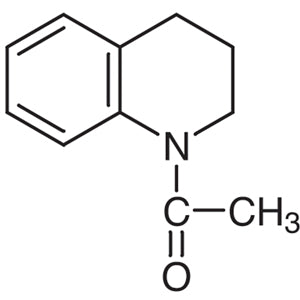
1-Acetyl-1,2,3,4-tetrahydroquinoline is a heterocyclic chemical compound widely used in organic synthesis as a building block for the creation of complex molecules. Its versatility makes it a valuable tool in laboratory settings, where it serves as a key component in the development of compounds with specific biological or chemical properties. This compound is commonly employed in research to explore new synthetic pathways and to generate derivatives with potential applications in pharmaceutical and biochemical studies. Its role in facilitating chemical reactions, such as nucleophilic and electrophilic processes, underscores its importance in modern chemical research.
The compound is known for its good chemical stability and compatibility with a variety of reagents, making it a preferred choice for synthetic chemists. It exhibits favorable solubility in organic solvents, which simplifies handling and purification processes in the laboratory. These properties contribute to its efficiency in both analytical and synthetic applications. Its ability to participate in diverse chemical transformations also enhances its utility in the development of new compounds with tailored functionalities.
In Indonesian laboratories, 1-Acetyl-1,2,3,4-tetrahydroquinoline is frequently used in chemical, pharmaceutical, and biochemical research. Local researchers and academic institutions rely on this compound to develop new substances with potential medical or industrial applications. Its availability in the region supports ongoing scientific investigations and innovation in various fields of study.
Related TCI products
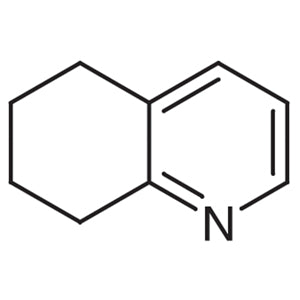
- TCI T1150 10500-57-9 5,6,7,8-Tetrahydroquinoline
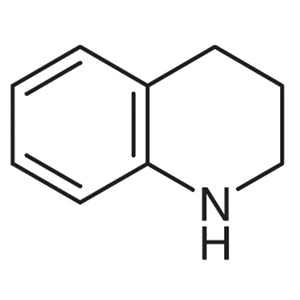
- TCI T0113 635-46-1 1,2,3,4-Tetrahydroquinoline
- TCI N0955 30450-62-5 7-Nitro-1,2,3,4-tetrahydroquinoline
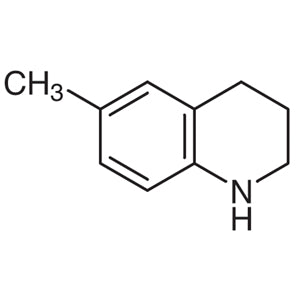
- TCI M1302 91-61-2 6-Methyl-1,2,3,4-tetrahydroquinoline
- TCI T2999 3476-89-9 1,2,3,4-Tetrahydroquinoxaline
- TCI T1403 34413-35-9 5,6,7,8-Tetrahydroquinoxaline
- Organic synthesis applications benefit from this compound due to its ability to participate in nucleophilic and electrophilic reactions, enabling the creation of complex molecular structures.
- Pharmaceutical research utilizes it as a building block for the development of bioactive compounds with therapeutic potential.
- Biochemical studies leverage its chemical stability and solubility to explore molecular interactions and functional group modifications.
- Analytical chemistry applications take advantage of its solubility and reactivity for compound identification and structural analysis.
- Industrial chemical processes use it as a versatile intermediate in the production of specialty chemicals and functional materials.
| Brand | TCI |
|---|---|
| CAS number | 4169-19-1 |
| Molecular formula | — |
| Purity | — |
| Category | Chemistry > Building Blocks > Heterocyclic Building Blocks |
| Pack sizes | Available in various quantities as per standard laboratory supply |
| Physical form | Liquid or crystalline depending on the specific formulation |
| Storage | Store in a cool, dry place away from direct sunlight and incompatible substances |
This compound should be stored in a cool, dry environment, away from direct sunlight and sources of heat. It is recommended to use airtight containers made of glass or high-density polyethylene to prevent contamination and maintain its chemical integrity. Due to its reactivity, it should be kept away from strong oxidizing agents and incompatible materials. In laboratory settings, proper personal protective equipment, including gloves and safety goggles, should be worn when handling the compound. Regular monitoring of storage conditions ensures the compound remains stable and suitable for use in research applications.
—
Produk Terkait
-
5,6,7,8-Tetrahydroquinoline TCI T1150
Regular price From Rp 1.353.450,00Regular price -
1,2,3,4-Tetrahydroquinoline TCI T0113
Regular price From Rp 664.650,00Regular price -
7-Nitro-1,2,3,4-tetrahydroquinoline TCI N0955
Regular price From Rp 1.298.850,00Regular price -
6-Methyl-1,2,3,4-tetrahydroquinoline TCI M1302
Regular price Rp 2.174.550,00Regular price -
1,2,3,4-Tetrahydroquinoxaline TCI T2999
Regular price From Rp 743.400,00Regular price -
5,6,7,8-Tetrahydroquinoxaline TCI T1403
Regular price From Rp 848.400,00Regular price -
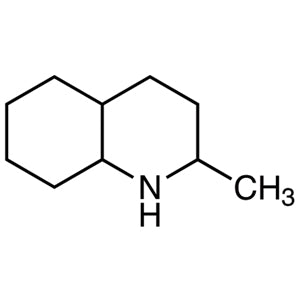
2-Methyldecahydroquinoline(mixtureofisomers) TCI M3189
Regular price From Rp 2.359.350,00Regular price -
trans-Decahydroquinoline TCI D2936
Regular price Rp 1.458.450,00Regular price