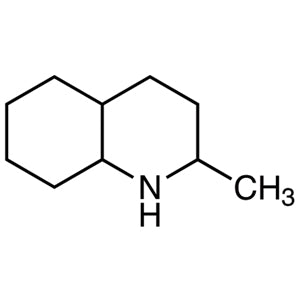
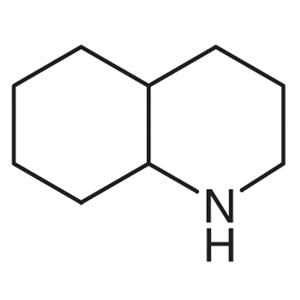
7-Nitro-1,2,3,4-tetrahydroquinoline is a chemical compound widely used as a building block in the synthesis of heterocyclic compounds. It plays a crucial role in organic chemistry laboratories, where it serves as a versatile intermediate for creating complex molecular structures. This compound is particularly valuable in pharmaceutical research, as it contributes to the development of bioactive molecules with therapeutic potential. Its presence in various chemical reactions helps researchers achieve precise and reproducible results in their experimental workflows.
The compound is known for its chemical stability and reactivity, making it a preferred choice for a wide range of synthetic applications. Its ability to undergo substitution reactions and other chemical transformations allows scientists to tailor its structure for specific purposes. The unique molecular framework of 7-Nitro-1,2,3,4-tetrahydroquinoline enables it to participate in diverse chemical processes, from functional group modifications to ring-opening reactions. These properties make it an essential reagent in the synthesis of pharmaceuticals and other advanced chemical products.
In Indonesian laboratories, 7-Nitro-1,2,3,4-tetrahydroquinoline is commonly used in research focused on organic chemistry and pharmacology. Local researchers rely on this compound to develop new therapeutic agents and explore its potential in drug discovery. Its availability in the local market supports scientific innovation by providing access to high-quality reagents without the need for international sourcing. This accessibility enhances the efficiency of research activities in Indonesian academic and industrial settings.
Related TCI products
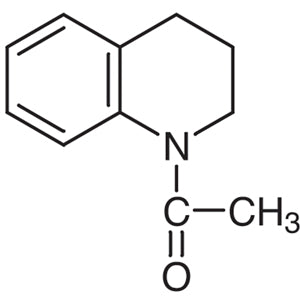
- TCI A1641 4169-19-1 1-Acetyl-1,2,3,4-tetrahydroquinoline
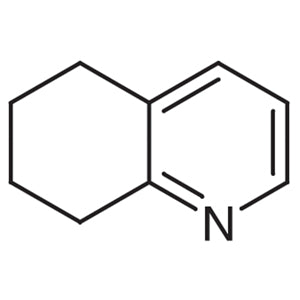
- TCI T1150 10500-57-9 5,6,7,8-Tetrahydroquinoline
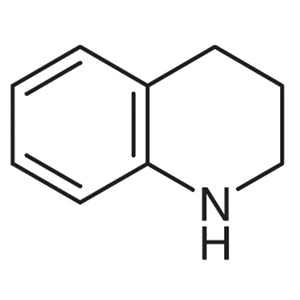
- TCI T0113 635-46-1 1,2,3,4-Tetrahydroquinoline
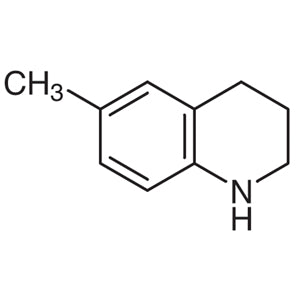
- TCI M1302 91-61-2 6-Methyl-1,2,3,4-tetrahydroquinoline
- TCI T2999 3476-89-9 1,2,3,4-Tetrahydroquinoxaline
- TCI T1403 34413-35-9 5,6,7,8-Tetrahydroquinoxaline
- Organic synthesis applications benefit from this compound's ability to participate in a variety of chemical reactions, making it ideal for creating complex molecular structures.
- Pharmaceutical research utilizes this compound as a key intermediate in the development of bioactive molecules with therapeutic potential.
- Heterocyclic compound synthesis relies on its structural versatility, enabling the formation of diverse ring systems with specific functional groups.
- Drug discovery projects often incorporate this compound to explore its potential in developing new therapeutic agents with targeted biological activities.
- Academic research in Indonesian laboratories frequently employs this compound to advance studies in organic chemistry and medicinal chemistry.
| Brand | TCI |
|---|---|
| CAS number | 30450-62-5 |
| Molecular formula | — |
| Purity | — |
| Category | Chemistry > Building Blocks > Heterocyclic Building Blocks |
| Pack sizes | Available in various quantities as per standard laboratory requirements |
| Physical form | Solid |
| Storage | Store in a cool, dry place away from light and moisture |
This compound should be stored in a cool, dry environment, away from direct light and moisture to maintain its chemical integrity. It is recommended to use airtight containers made of glass or high-density polyethylene to prevent contamination and degradation. Due to its reactivity, it should be handled with care, using appropriate personal protective equipment such as gloves and safety goggles. In laboratory settings, it is important to ensure proper ventilation to minimize exposure to vapors. The compound should not be stored near incompatible materials such as strong oxidizers or acids. Regular monitoring of storage conditions is advised to ensure the compound remains stable and suitable for use in chemical synthesis processes.
—
Produk Terkait
-
1-Acetyl-1,2,3,4-tetrahydroquinoline TCI A1641
Regular price From Rp 1.590.750,00Regular price -
5,6,7,8-Tetrahydroquinoline TCI T1150
Regular price From Rp 1.353.450,00Regular price -
1,2,3,4-Tetrahydroquinoline TCI T0113
Regular price From Rp 664.650,00Regular price -
6-Methyl-1,2,3,4-tetrahydroquinoline TCI M1302
Regular price Rp 2.174.550,00Regular price -
1,2,3,4-Tetrahydroquinoxaline TCI T2999
Regular price From Rp 743.400,00Regular price -
5,6,7,8-Tetrahydroquinoxaline TCI T1403
Regular price From Rp 848.400,00Regular price -
2-Methyldecahydroquinoline(mixtureofisomers) TCI M3189
Regular price From Rp 2.359.350,00Regular price -
trans-Decahydroquinoline TCI D2936
Regular price Rp 1.458.450,00Regular price