2-Amino-6-fluorobenzothiazole is a chemical compound widely used as a building block in the synthesis of complex organic molecules. Its unique structure, featuring both an amino group and a fluorine atom, makes it a valuable reagent in various chemical reactions, particularly those involving substitution and electrophilic processes. This compound plays a crucial role in laboratories where researchers aim to develop new pharmaceuticals or functional materials by modifying molecular structures. Its versatility allows it to be incorporated into diverse synthetic pathways, supporting innovation in multiple scientific disciplines.
The compound is known for its chemical stability, solubility in organic solvents, and reactivity in substitution and electrophilic reactions. These properties make it a preferred choice for chemists seeking reliable and efficient building blocks. Its ability to participate in a wide range of chemical transformations enhances its utility in both academic and industrial research settings. The relatively simple structure of 2-Amino-6-fluorobenzothiazole belies its importance in the creation of more complex compounds with specific biological or material properties.
In Indonesian laboratories, 2-Amino-6-fluorobenzothiazole is commonly used in pharmaceutical, organic chemistry, and materials science research. Local researchers rely on this compound to develop new therapeutic agents and functional materials. Its broad applicability and chemical versatility make it an essential component in the toolkit of many scientists working in these fields.
TCI brochures (PDF)
- Fluorination Reagents, Fluorinated Building Blocks 2026-03-18 · p. 49
Related TCI products
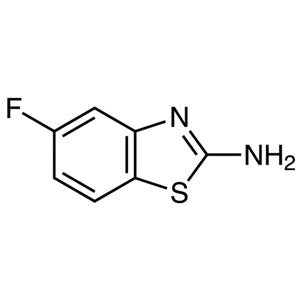
- TCI A2682 20358-07-0 2-Amino-5-fluorobenzothiazole
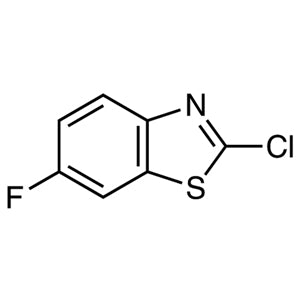
- TCI C2607 399-74-6 2-Chloro-6-fluorobenzothiazole
- TCI A3230 120068-79-3 5-Amino-1-[2,6-dichloro-4-(trifluoromethyl)phenyl]-1H-pyrazole-3-carbonitrile
- TCI A3029 105512-80-9 2-Amino-4-(2,4-difluorophenyl)thiazole
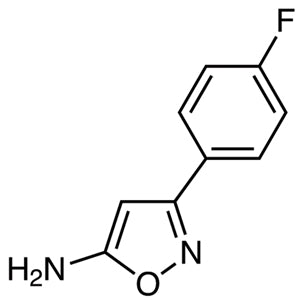
- TCI A2929 81465-82-9 5-Amino-3-(4-fluorophenyl)isoxazole
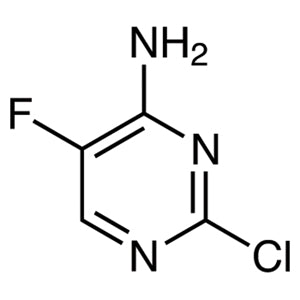
- TCI A2809 155-10-2 4-Amino-2-chloro-5-fluoropyrimidine
- Pharmaceutical research utilizes this compound for the synthesis of novel drug molecules due to its reactivity and structural adaptability.
- Organic chemistry laboratories use it as a key building block in the development of complex organic structures through substitution and electrophilic reactions.
- Materials science research incorporates it to create functional materials with specific chemical and physical properties.
- Drug discovery projects benefit from its ability to participate in diverse synthetic pathways, enabling the design of compounds with targeted biological activities.
- Industrial chemical synthesis applications leverage its stability and solubility for efficient and scalable production processes.
| Brand | TCI |
|---|---|
| CAS number | 348-40-3 |
| Molecular formula | — |
| Purity | — |
| Category | Chemistry > Building Blocks > Fluorinated Building Blocks |
| Pack sizes | Available in various quantities as per standard supplier offerings |
| Physical form | Solid, typically in crystalline or powder form |
| Storage | Store in a cool, dry place away from light and moisture |
This compound should be stored in a cool, dry environment, away from direct sunlight and sources of moisture. It is recommended to use airtight containers made of glass or high-density polyethylene to prevent contamination and maintain chemical integrity. Due to its reactivity, it should be handled in a well-ventilated area, and appropriate personal protective equipment, such as gloves and safety goggles, should be worn. Avoid exposure to incompatible substances, and ensure that storage conditions remain stable to preserve its chemical properties. Proper labeling and safe storage practices are essential to ensure the compound remains effective and safe for use in laboratory settings.
—
Produk Terkait
-
2-Amino-5-fluorobenzothiazole TCI A2682
Regular price From Rp 2.173.500,00Regular priceRp 1.535.100,00Sale price From Rp 2.173.500,00 -
2-Chloro-6-fluorobenzothiazole TCI C2607
Regular price From Rp 2.677.500,00Regular priceRp 1.887.900,00Sale price From Rp 2.677.500,00 -
5-Amino-1-[2,6-dichloro-4-(trifluoromethyl)phenyl]-1H-pyrazole-3-carbonitrile TCI A3230
Regular price From Rp 848.400,00Regular priceRp 609.000,00Sale price From Rp 848.400,00 -
2-Amino-4-(2,4-difluorophenyl)thiazole TCI A3029
Regular price From Rp 928.200,00Regular priceRp 664.650,00Sale price From Rp 928.200,00 -
5-Amino-3-(4-fluorophenyl)isoxazole TCI A2929
Regular price From Rp 1.563.450,00Regular priceRp 1.108.800,00Sale price From Rp 1.563.450,00 -
4-Amino-2-chloro-5-fluoropyrimidine TCI A2809
Regular price From Rp 1.801.800,00Regular priceRp 1.275.750,00Sale price From Rp 1.801.800,00 -
2-Amino-4-(trifluoromethyl)pyrimidine TCI A2522
Regular price From Rp 1.113.000,00Regular priceRp 793.800,00Sale price From Rp 1.113.000,00