2-Amino-5-fluorobenzothiazole is a chemical compound widely used as a building block in the synthesis of complex molecules. It plays a crucial role in organic chemistry laboratories, where it serves as a versatile intermediate for various chemical transformations. This compound is particularly valuable for its ability to participate in multiple reaction types, including substitution, reduction, and nucleophilic reactions. Its presence in synthetic pathways allows researchers to modify molecular structures with precision, making it an essential tool in the development of new compounds.
The compound’s unique properties, such as its stability under controlled conditions and its reactivity, make it a preferred choice for chemists. Its fluorinated group and amino functionality provide functional versatility, enabling it to be tailored for a wide range of applications. These characteristics make it highly suitable for use in both academic and industrial research settings. The compound’s chemical structure also supports its use in diverse synthetic strategies, enhancing its value in laboratory environments.
In Indonesian laboratories, 2-Amino-5-fluorobenzothiazole is commonly used in research related to organic chemistry, pharmaceutical development, and materials science. It is a key component in the synthesis of pharmaceutical intermediates and polymer-based materials. Its availability and chemical properties make it a reliable choice for researchers working in various scientific disciplines. Its role in both fundamental and applied research underscores its importance in the Indonesian scientific community.
TCI brochures (PDF)
- Fluorination Reagents, Fluorinated Building Blocks 2026-03-18 · p. 49
Related TCI products
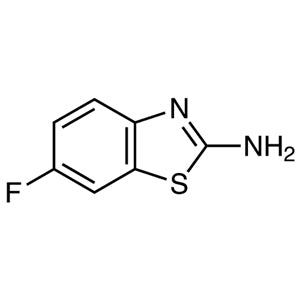
- TCI A1993 348-40-3 2-Amino-6-fluorobenzothiazole
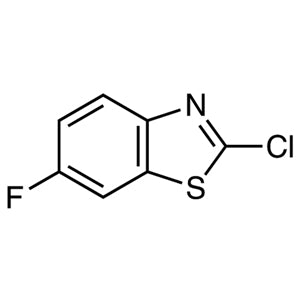
- TCI C2607 399-74-6 2-Chloro-6-fluorobenzothiazole
- TCI A3230 120068-79-3 5-Amino-1-[2,6-dichloro-4-(trifluoromethyl)phenyl]-1H-pyrazole-3-carbonitrile
- TCI A3029 105512-80-9 2-Amino-4-(2,4-difluorophenyl)thiazole
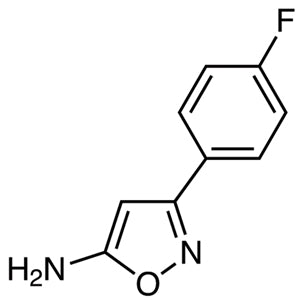
- TCI A2929 81465-82-9 5-Amino-3-(4-fluorophenyl)isoxazole
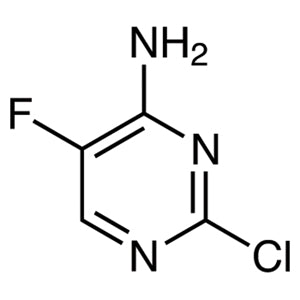
- TCI A2809 155-10-2 4-Amino-2-chloro-5-fluoropyrimidine
- Organic synthesis: This compound is ideal for creating complex molecules due to its reactive functional groups and structural versatility.
- Pharmaceutical research: It is used in the development of new drugs as a building block for synthesizing bioactive compounds.
- Polymer chemistry: Its fluorinated structure makes it suitable for modifying polymer properties, enhancing stability and reactivity.
- Material science: It contributes to the creation of advanced materials with tailored chemical and physical properties.
- Analytical chemistry: It serves as a reference standard for identifying and quantifying compounds in various analytical methods.
| Brand | TCI |
|---|---|
| CAS number | 20358-07-0 |
| Molecular formula | — |
| Purity | — |
| Category | Chemistry > Building Blocks > Fluorinated Building Blocks |
| Pack sizes | Available in standard laboratory quantities |
| Physical form | Solid (exact form may vary depending on supplier) |
| Storage | Store in a cool, dry place away from moisture and direct sunlight |
This compound should be stored in a cool, dry environment to maintain its chemical integrity. It is recommended to use airtight containers to prevent exposure to moisture and air, which could affect its stability. Due to its reactivity, it should be handled with care, using appropriate personal protective equipment such as gloves and safety goggles. It is advisable to store it in a well-ventilated area to minimize any potential risks. Always ensure that the storage area is free from incompatible materials to maintain a safe laboratory environment.
—
Produk Terkait
-
2-Amino-6-fluorobenzothiazole TCI A1993
Regular price Rp 1.934.100,00Regular priceRp 1.368.150,00Sale price Rp 1.934.100,00 -
2-Chloro-6-fluorobenzothiazole TCI C2607
Regular price From Rp 2.677.500,00Regular priceRp 1.887.900,00Sale price From Rp 2.677.500,00 -
5-Amino-1-[2,6-dichloro-4-(trifluoromethyl)phenyl]-1H-pyrazole-3-carbonitrile TCI A3230
Regular price From Rp 848.400,00Regular priceRp 609.000,00Sale price From Rp 848.400,00 -
2-Amino-4-(2,4-difluorophenyl)thiazole TCI A3029
Regular price From Rp 928.200,00Regular priceRp 664.650,00Sale price From Rp 928.200,00 -
5-Amino-3-(4-fluorophenyl)isoxazole TCI A2929
Regular price From Rp 1.563.450,00Regular priceRp 1.108.800,00Sale price From Rp 1.563.450,00 -
4-Amino-2-chloro-5-fluoropyrimidine TCI A2809
Regular price From Rp 1.801.800,00Regular priceRp 1.275.750,00Sale price From Rp 1.801.800,00 -
2-Amino-4-(trifluoromethyl)pyrimidine TCI A2522
Regular price From Rp 1.113.000,00Regular priceRp 793.800,00Sale price From Rp 1.113.000,00