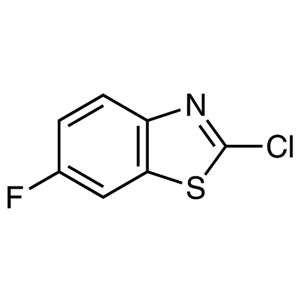
2-Chloro-6-fluorobenzothiazole is a chemical compound widely used as a building block in the synthesis of complex organic molecules. It plays a crucial role in laboratory settings where the creation of functional compounds is required. Its unique molecular structure, featuring both chlorine and fluorine atoms on the benzothiazole ring, contributes to its reactivity and stability. This compound is essential for researchers aiming to develop new materials or pharmaceuticals with specific properties.
The compound’s combination of halogen atoms provides it with a distinct set of chemical properties that make it a preferred choice in synthetic chemistry. Its ability to undergo substitution and cyclization reactions makes it versatile for various chemical transformations. The stability of the molecule under certain conditions, along with its reactivity toward different reagents, allows it to be a reliable component in many synthetic pathways. These characteristics make it a valuable tool for chemists working on complex molecular designs.
In Indonesian laboratories, 2-Chloro-6-fluorobenzothiazole is commonly used in organic synthesis and the development of new chemical materials. It is a key reagent in research projects that require precise control over molecular structure and functionality. Its application spans across academic institutions and research centers, supporting advancements in pharmaceutical and industrial chemistry. The compound’s reliability and adaptability make it a staple in chemical laboratories throughout Indonesia.
Related TCI products
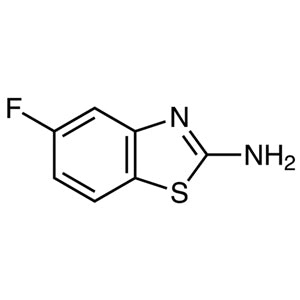
- TCI A2682 20358-07-0 2-Amino-5-fluorobenzothiazole
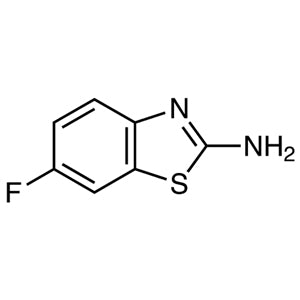
- TCI A1993 348-40-3 2-Amino-6-fluorobenzothiazole
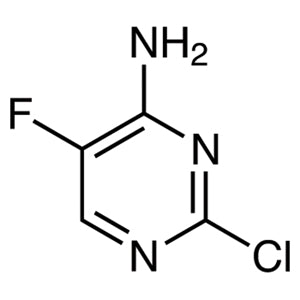
- TCI A2809 155-10-2 4-Amino-2-chloro-5-fluoropyrimidine
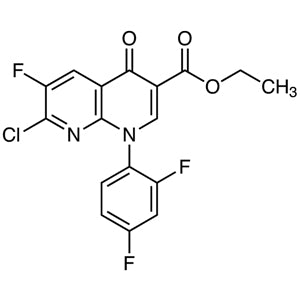
- TCI E1180 100491-29-0 Ethyl 7-Chloro-1-(2,4-difluorophenyl)-6-fluoro-4-oxo-1,4-dihydro-1,8-naphthyridine-3-carboxylate
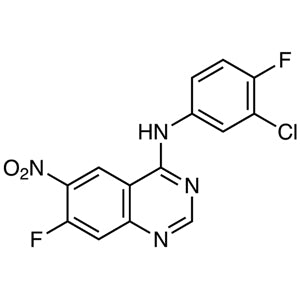
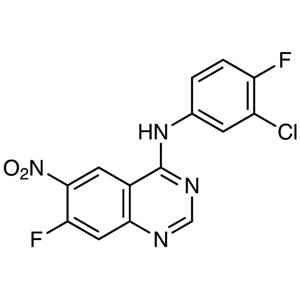
- TCI C3276 162012-67-1 N-(3-Chloro-4-fluorophenyl)-7-fluoro-6-nitro-4-quinazolinamine
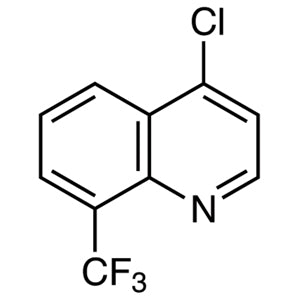
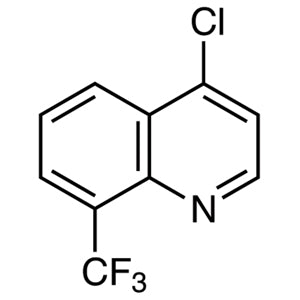
- TCI C3067 23779-97-7 4-Chloro-8-(trifluoromethyl)quinoline
- Organic synthesis is a primary application where this compound serves as a versatile building block for creating complex molecular structures.
- Pharmaceutical research benefits from its reactivity and stability, enabling the development of new drug candidates with specific functional groups.
- Industrial chemical development relies on its ability to participate in substitution and cyclization reactions, leading to the creation of functional materials.
- Academic research in chemistry utilizes it for teaching and experimental purposes, demonstrating its role in synthetic pathways.
- Material science studies incorporate it to design new polymers and coatings with tailored properties through chemical modification.
| Brand | TCI |
|---|---|
| CAS number | 399-74-6 |
| Molecular formula | — |
| Purity | — |
| Category | Chemistry > Building Blocks > Fluorinated Building Blocks |
| Pack sizes | Available in standard laboratory quantities |
| Physical form | Solid powder |
| Storage | Store in a cool, dry place away from light and moisture |
This compound should be stored in a cool, dry place, away from direct light and moisture to maintain its chemical stability. It is recommended to use airtight containers made of glass or high-density polyethylene to prevent contamination and degradation. Due to its halogenated nature, it is important to handle it with care, using appropriate personal protective equipment such as gloves and safety goggles. Proper ventilation should be maintained in the laboratory to minimize exposure. The compound should not be stored near incompatible materials such as strong oxidizers or acids. Regular inspection of storage conditions ensures the compound remains suitable for use in chemical experiments.
—
Produk Terkait
-
2-Amino-5-fluorobenzothiazole TCI A2682
Regular price From Rp 2.121.000,00Regular price -
2-Amino-6-fluorobenzothiazole TCI A1993
Regular price Rp 1.881.600,00Regular price -
4-Amino-2-chloro-5-fluoropyrimidine TCI A2809
Regular price From Rp 1.749.300,00Regular price -
Ethyl7-Chloro-1-(2,4-difluorophenyl)-6-fluoro-4-oxo-1,4-dihydro-1,8-naphthyridine-3-carboxylate TCI E1180
Regular price From Rp 875.700,00Regular price -
N-(3-Chloro-4-fluorophenyl)-7-fluoro-6-nitro-4-quinazolinamine TCI C3276
Regular price From Rp 1.246.350,00Regular price -
4-Chloro-8-(trifluoromethyl)quinoline TCI C3067
Regular price From Rp 2.969.400,00Regular price -
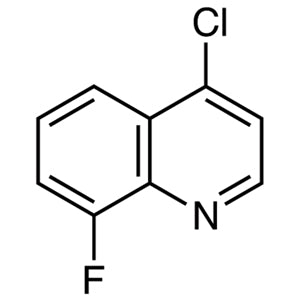
4-Chloro-8-fluoroquinoline TCI C3062
Regular price From Rp 1.961.400,00Regular price -
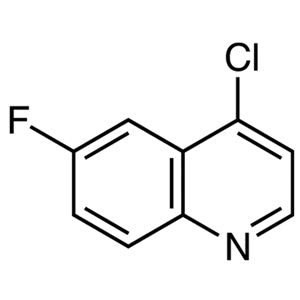
4-Chloro-6-fluoroquinoline TCI C2989
Regular price From Rp 530.250,00Regular price