5-(Aminosulfonyl)-2,3-dimethoxybenzoic Acid is a chemical compound widely used in organic synthesis reactions within laboratory settings. It serves as a fundamental building block in the development of complex molecules, enabling researchers to create a variety of chemical structures through targeted chemical transformations. This compound is particularly valuable in synthetic chemistry due to its versatile functional groups, which allow for multiple reaction pathways. Its presence in both academic and industrial research environments underscores its importance in the field of chemical innovation.
The compound’s molecular structure includes an aminosulfonyl group and two methoxy groups, which contribute to its reactivity and polarity. These properties make it suitable for a range of chemical reactions, including substitution, esterification, and other processes that require solubility in both organic and aqueous solvents. Its ability to participate in diverse chemical transformations makes it a preferred choice for chemists aiming to synthesize complex molecules with specific functional characteristics.
In Indonesian laboratories, this compound is extensively used in organic chemistry research, pharmaceutical development, and material science studies. Its availability supports a wide range of experimental needs, particularly in institutions focused on drug discovery and advanced chemical synthesis. Researchers in Indonesia rely on this compound to meet the demands of their experimental protocols, ensuring the reproducibility and success of their work.
Related TCI products
- TCI M1866 57683-71-3 Methyl 2-(Aminosulfonyl)benzoate
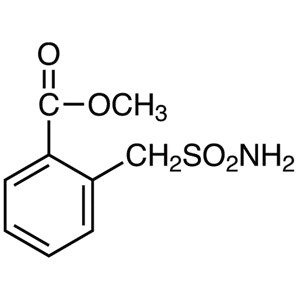
- TCI M1867 112941-26-1 Methyl 2-(Aminosulfonylmethyl)benzoate
- TCI A5597 91366-65-3 ABD-F [=4-(Aminosulfonyl)-7-fluoro-2,1,3-benzoxadiazole] [HPLC Labeling Reagent for Determination of Thiols]
- TCI A2667 160982-10-5 3-Acetyl-2-(aminosulfonyl)-5-chlorothiophene
- TCI B5252 20731-48-0 3-Bromo-4,5-dimethoxybenzoic Acid
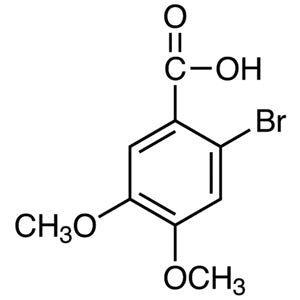
- TCI B3891 6286-46-0 2-Bromo-4,5-dimethoxybenzoic Acid
- Organic synthesis of pharmaceutical compounds due to its reactive functional groups and compatibility with various reaction conditions.
- Development of new materials through chemical modification of its molecular structure for enhanced properties.
- Drug discovery research where its structural versatility allows for the creation of diverse molecular scaffolds.
- Academic research in chemical engineering and analytical chemistry for experimental validation and compound characterization.
- Industrial applications in the production of specialty chemicals requiring precise molecular design and functional group manipulation.
| Brand | TCI |
|---|---|
| CAS number | 66644-80-2 |
| Molecular formula | — |
| Purity | — |
| Category | Chemistry > Building Blocks > Non-Heterocyclic Building Blocks |
| Pack sizes | Available in various quantities as per standard laboratory supply formats |
| Physical form | Solid powder |
| Storage | Store in a cool, dry place away from direct sunlight and moisture |
This compound should be stored in a cool, dry environment to maintain its chemical integrity. It is recommended to use airtight containers to prevent exposure to moisture and air, which can affect its stability. Due to its polar nature, it is advisable to store it in a container that is resistant to chemical reactions. Laboratory personnel should handle it with appropriate personal protective equipment to ensure safety. Regular monitoring of storage conditions is essential to maintain the quality of the compound for reliable experimental results.
—
Produk Terkait
-
Methyl2-(Aminosulfonyl)benzoate TCI M1866
Regular price From Rp 637.350,00Regular priceRp 460.950,00Sale price From Rp 637.350,00 -
Methyl2-(Aminosulfonylmethyl)benzoate TCI M1867
Regular price Rp 1.140.300,00Regular priceRp 812.700,00Sale price Rp 1.140.300,00 -
ABD-F[=4-(Aminosulfonyl)-7-fluoro-2,1,3-benzoxadiazole][HPLCLabelingReagentforDeterminationofThiols] TCI A5597
Regular price From Rp 6.731.550,00Regular priceRp 4.722.900,00Sale price From Rp 6.731.550,00 -
3-Acetyl-2-(aminosulfonyl)-5-chlorothiophene TCI A2667
Regular price From Rp 1.670.550,00Regular priceRp 1.183.350,00Sale price From Rp 1.670.550,00 -
3-Bromo-4,5-dimethoxybenzoicAcid TCI B5252
Regular price From Rp 1.881.600,00Regular priceRp 1.331.400,00Sale price From Rp 1.881.600,00 -
2-Bromo-4,5-dimethoxybenzoicAcid TCI B3891
Regular price From Rp 1.140.300,00Regular priceRp 812.700,00Sale price From Rp 1.140.300,00 -
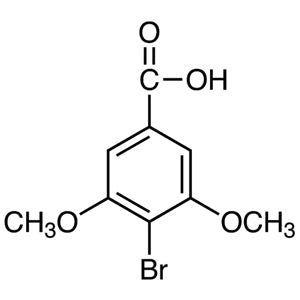
4-Bromo-3,5-dimethoxybenzoicAcid TCI B2838
Regular price From Rp 742.350,00Regular priceRp 534.450,00Sale price From Rp 742.350,00 -
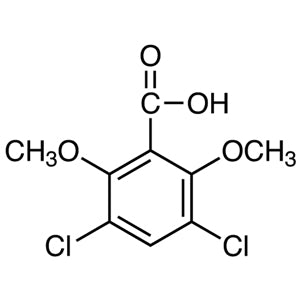
3,5-Dichloro-2,6-dimethoxybenzoicAcid TCI D4133
Regular price Rp 1.618.050,00Regular priceRp 1.146.600,00Sale price Rp 1.618.050,00