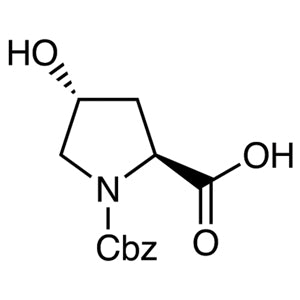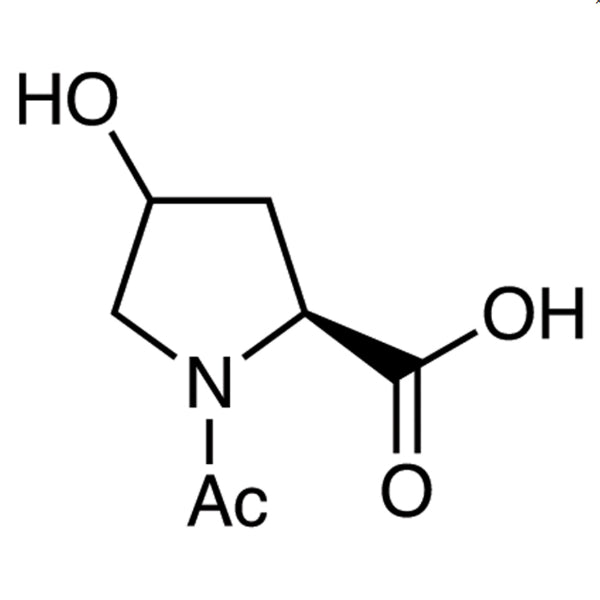
N-Acetyl-4-hydroxy-L-proline is a chemical compound widely used in chemical and biochemical applications within laboratory settings. It is a mixture of cis- and trans-isomers of N-acetylated 4-hydroxy-L-proline, a derivative of proline, which is a key amino acid in protein structure. This compound plays a crucial role in peptide chemistry, serving as a building block for the synthesis of complex organic molecules and peptides. Its unique chemical structure enables it to participate in various biochemical reactions, making it an essential tool for researchers working in diverse scientific fields.
The compound is known for its chemical stability and solubility in organic solvents, which facilitates its use in a wide range of experimental procedures. Its ability to undergo peptide bond formation and substitution reactions makes it a preferred choice for synthetic chemists and biochemists. The availability of the compound in a mixed isomer form allows for structural versatility, enabling the creation of a variety of final products in research applications. These properties make it a reliable and versatile reagent in laboratory environments.
In Indonesian laboratories, N-Acetyl-4-hydroxy-L-proline is commonly used in biochemical, pharmacological, and organic chemistry research. It is frequently employed in the development of new compounds, the study of biological mechanisms, and the testing of chemical reactivity. Researchers in academic and research institutions rely on this compound to advance their work in drug discovery, molecular biology, and structural analysis. Its presence in Indonesian laboratories underscores its importance in scientific innovation and experimentation.
TCI brochures (PDF)
- Amino Acids and Peptide Synthesis Reagents 2025-08-14 · p. 11
Related TCI products
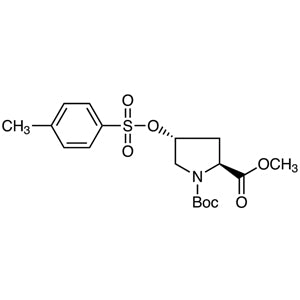
- TCI B5247 88043-21-4 N-(tert-Butoxycarbonyl)-trans-4-(p-toluenesulfonyloxy)-L-proline Methyl Ester
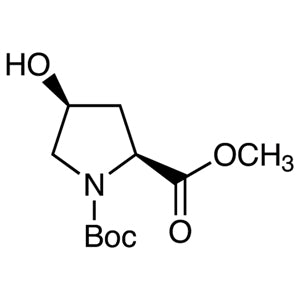
- TCI B3987 102195-79-9 N-(tert-Butoxycarbonyl)-cis-4-hydroxy-L-proline Methyl Ester
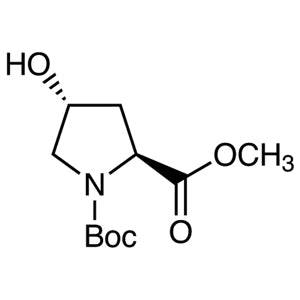
- TCI B3843 74844-91-0 N-(tert-Butoxycarbonyl)-trans-4-hydroxy-L-proline Methyl Ester
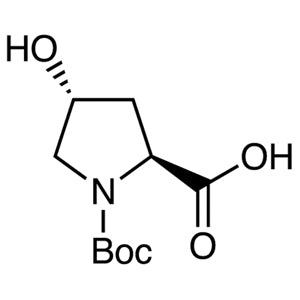
- TCI B1635 13726-69-7 trans-N-(tert-Butoxycarbonyl)-4-hydroxy-L-proline
- TCI C2506 13504-85-3 trans-N-Carbobenzoxy-4-hydroxy-L-proline
- TCI B5887 87691-27-8 cis-N-(tert-Butoxycarbonyl)-4-hydroxy-L-proline
- Peptide Synthesis: This compound is ideal for synthesizing peptides due to its ability to form peptide bonds, making it a key reagent in peptide chemistry research.
- Organic Chemistry Research: Its chemical stability and solubility in organic solvents make it suitable for the synthesis of complex organic compounds in laboratory settings.
- Protein Interaction Studies: The compound's structural similarity to proline allows it to be used in studies examining protein interactions and structural biology.
- Drug Development: It is often used in the development of pharmaceutical compounds due to its involvement in biochemical pathways and its reactivity in synthetic processes.
- Biochemical Analysis: Its role in biochemical reactions makes it a valuable tool for analyzing molecular interactions and metabolic processes in biological systems.
| Brand | TCI |
|---|---|
| CAS number | 926905-71-7 |
| Molecular formula | — |
| Purity | — |
| Category | Chemistry > Chemical Biology > Peptide Chemistry |
| Pack sizes | — |
| Physical form | — |
| Storage | Store in a cool, dry place away from moisture and direct sunlight |
This compound should be stored in a cool, dry place, away from moisture and direct sunlight to maintain its chemical stability. It is recommended to use airtight containers to prevent exposure to air and potential degradation. As it is a chemical reagent, it should be handled with appropriate personal protective equipment, such as gloves and safety goggles, to ensure laboratory safety. While no specific hazards are mentioned, standard laboratory precautions should be followed when working with organic chemicals. Proper labeling and storage conditions are essential to ensure the integrity of the compound and the safety of laboratory personnel.
—
Product Categories
Produk Terkait
-
N-(tert-Butoxycarbonyl)-trans-4-(p-toluenesulfonyloxy)-L-prolineMethylEster TCI B5247
Regular price From Rp 557.550,00Regular price -
N-(tert-Butoxycarbonyl)-cis-4-hydroxy-L-prolineMethylEster TCI B3987
Regular price From Rp 689.850,00Regular price -
N-(tert-Butoxycarbonyl)-trans-4-hydroxy-L-prolineMethylEster TCI B3843
Regular price From Rp 769.650,00Regular price -
trans-N-(tert-Butoxycarbonyl)-4-hydroxy-L-proline TCI B1635
Regular price Rp 1.776.600,00Regular price -
trans-N-Carbobenzoxy-4-hydroxy-L-proline TCI C2506
Regular price From Rp 769.650,00Regular price -
cis-N-(tert-Butoxycarbonyl)-4-hydroxy-L-proline TCI B5887
Regular price From Rp 1.167.600,00Regular price -
N-(tert-Butoxycarbonyl)-cis-4-hydroxy-D-prolineMethylEster TCI B5857
Regular price From Rp 717.150,00Regular price -
N-(tert-Butoxycarbonyl)-D-prolineMethylEster TCI B4787
Regular price From Rp 769.650,00Regular price