2-(2-Amino-3-methoxyphenyl)chromone is a chemical compound widely used in life science research, particularly in cell biology and cancer research. This compound plays a crucial role in laboratory settings by serving as a building block for the synthesis of bioactive molecules with therapeutic potential for various diseases. Its unique chemical structure enables it to interact with multiple molecular targets within cells, making it a versatile tool for studying cellular responses to various stimuli. Researchers rely on this compound to explore the mechanisms underlying cell signaling and the effects of growth factors and inhibitors on cellular behavior.
The compound’s chemical stability and ability to bind to specific proteins make it a preferred choice in biomedical research. Its molecular structure allows for targeted interactions with biological systems, which is essential for understanding disease mechanisms and developing new treatments. Additionally, its compatibility with different experimental conditions, such as solution and solid forms, enhances its usability in diverse laboratory environments. These properties contribute to its growing popularity among researchers working on drug discovery and therapeutic development.
In Indonesian laboratories, 2-(2-Amino-3-methoxyphenyl)chromone is commonly used by researchers in various research institutions to expand their understanding of cancer and develop new therapeutic approaches. Its application in applied research focused on drug development and disease treatment highlights its importance in advancing scientific knowledge and innovation in the biomedical field.
TCI brochures (PDF)
- Organoid Research Reagents 2025-09-11 · p. 5
- Regenerative Medicine Research Reagents 2016-03-18 · p. 1
- Reagents for Biological Research 2025-03-11 · p. 39
Related TCI products
- TCI A2940 40045-50-9 2-Amino-5-[(5-nitro-2-thiazolyl)thio]-1,3,4-thiadiazole
- TCI A2528 2627-69-2 5-Aminoimidazole-4-carboxamide 1-beta-D-Ribofuranoside
- TCI M2009 1115-70-4 Metformin Hydrochloride
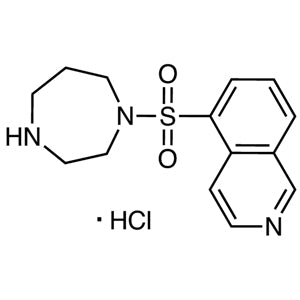
- TCI F0839 105628-07-7 Fasudil Hydrochloride
- TCI D1961 50-02-2 Dexamethasone
- TCI M3085 942135-14-0 4-(4-Methoxyphenyl)thieno[2,3-b:5,4-c']dipyridine-2-carboxamide
- Cancer research utilizes this compound to study molecular pathways involved in tumor progression and drug resistance.
- Cell biology experiments benefit from its ability to interact with cellular targets, aiding in the investigation of signaling mechanisms.
- Bioactive molecule synthesis relies on its structural versatility for the creation of potential therapeutic agents.
- Drug discovery projects incorporate it to explore its potential as a lead compound for new pharmaceutical development.
- Toxicology studies use it to assess the biological effects of chemical compounds on cellular systems.
| Brand | TCI |
|---|---|
| CAS number | 167869-21-8 |
| Molecular formula | — |
| Purity | — |
| Category | Life Science > Cell Biology > Cancer Research |
| Pack sizes | Available in various quantities as per standard laboratory supply |
| Physical form | Solid |
| Storage | Store in a cool, dry place away from light |
This compound should be stored in a cool, dry place, away from direct sunlight and sources of heat. It is recommended to use airtight containers to prevent moisture absorption and contamination. Due to its chemical stability, it does not require refrigeration but should be protected from environmental factors that may affect its integrity. In laboratory settings, proper ventilation and personal protective equipment should be used when handling the compound to ensure safety. Regular inspection of storage conditions is advised to maintain the compound’s quality and usability for research purposes.
—
Produk Terkait
-
2-Amino-5-[(5-nitro-2-thiazolyl)thio]-1,3,4-thiadiazole TCI A2940
Regular price From Rp 3.524.850,00Regular priceRp 2.480.100,00Sale price From Rp 3.524.850,00 -
5-Aminoimidazole-4-carboxamide1-beta-D-Ribofuranoside TCI A2528
Regular price Rp 2.597.700,00Regular priceRp 1.832.250,00Sale price Rp 2.597.700,00 -
MetforminHydrochloride TCI M2009
Regular price From Rp 1.988.700,00Regular priceRp 1.405.950,00Sale price From Rp 1.988.700,00 -
FasudilHydrochloride TCI F0839
Regular price Rp 5.034.750,00Regular priceRp 3.536.400,00Sale price Rp 5.034.750,00 -
Dexamethasone TCI D1961
Regular price Rp 1.988.700,00Regular priceRp 1.405.950,00Sale price Rp 1.988.700,00 -
4-(4-Methoxyphenyl)thieno[2,3-b:5,4-c']dipyridine-2-carboxamide TCI M3085
Regular price From Rp 4.293.450,00Regular priceRp 3.017.700,00Sale price From Rp 4.293.450,00 -
4-Benzyl-2-methyl-1,2,4-thiadiazolidine-3,5-dione TCI B4436
Regular price From Rp 1.829.100,00Regular priceRp 1.294.650,00Sale price From Rp 1.829.100,00 -
(2'Z,3'E)-6-Bromoindirubin-3'-oxime TCI B4006
Regular price From Rp 4.399.500,00Regular priceRp 3.092.250,00Sale price From Rp 4.399.500,00