2-Amino-6-methylpyrazine is a chemical compound classified under heterocyclic building blocks, playing a vital role in laboratory research. It serves as a foundational component in the synthesis of complex molecules, enabling chemists to construct intricate molecular structures. Its unique molecular structure makes it highly versatile in various chemical reactions, particularly those involving heterocyclic compounds. This compound is widely used in organic chemistry laboratories to develop new compounds with specific functional groups and properties.
The compound's stability and reactivity make it a preferred choice for synthetic chemists. It readily reacts with a variety of reagents, including alkyl halides, acids, and bases, allowing for the creation of diverse molecular structures. Its ability to participate in multiple reaction pathways enhances its utility in both academic and industrial research. The compound's chemical versatility and predictable behavior under different reaction conditions contribute to its widespread use in laboratory settings.
In Indonesian laboratories, 2-Amino-6-methylpyrazine is commonly used in organic chemistry research, particularly in pharmacology and the synthesis of bioactive compounds. It is an essential reagent for researchers working on drug development, pesticide formulation, and industrial chemical production. Its availability in various packaging formats supports its use in both small-scale experiments and large-scale research projects.
Related TCI products
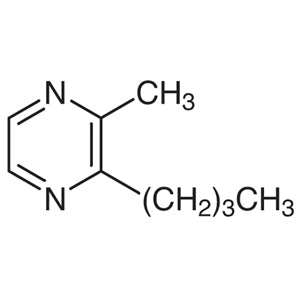
- TCI B1173 15987-00-5 2-Butyl-3-methylpyrazine
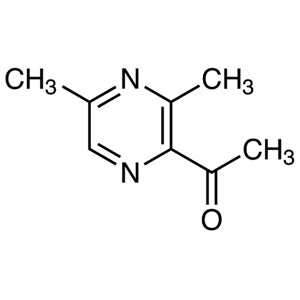
- TCI A3326 54300-08-2 2-Acetyl-3,5-dimethylpyrazine (contains 2-Acetyl-3,6-dimethylpyrazine)
- TCI A2003 32974-92-8 2-Acetyl-3-ethylpyrazine
- TCI A1978 23787-80-6 2-Acetyl-3-methylpyrazine
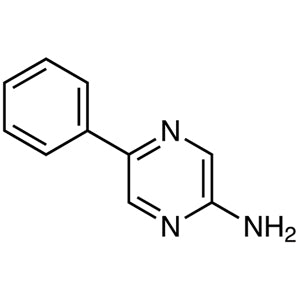
- TCI A1684 13535-13-2 2-Amino-5-phenylpyrazine
- TCI A1154 132664-85-8 2-(Aminomethyl)-5-methylpyrazine
- Organic synthesis: This compound is widely used in the synthesis of bioactive molecules due to its reactivity and structural versatility.
- Pharmaceutical research: It serves as a key building block in the development of new drugs and therapeutic agents.
- Pesticide formulation: Its chemical properties make it suitable for the synthesis of agrochemical compounds.
- Industrial chemical production: It is utilized in the creation of various industrial chemicals with specific functional groups.
- Academic research: It is a common reagent in university laboratories for teaching and experimental purposes.
| Brand | TCI |
|---|---|
| CAS number | 5521-56-2 |
| Molecular formula | — |
| Purity | — |
| Category | Chemistry > Building Blocks > Heterocyclic Building Blocks |
| Pack sizes | Available in various sizes to suit different experimental needs |
| Physical form | Solid |
| Storage | Store in a cool, dry place away from light and moisture |
This compound should be stored in a cool, dry environment, away from direct sunlight and moisture. It is recommended to use airtight containers to prevent exposure to air and humidity. Due to its chemical nature, it should be handled with care, using appropriate personal protective equipment such as gloves and safety goggles. It is important to ensure proper ventilation in the laboratory when working with this compound. Avoid contact with incompatible substances such as strong oxidizing agents. Always follow standard laboratory safety protocols to minimize risks during handling and storage.
—
Produk Terkait
-
2-Butyl-3-methylpyrazine TCI B1173
Regular price Rp 3.232.950,00Regular price -
2-Acetyl-3,5-dimethylpyrazine(contains2-Acetyl-3,6-dimethylpyrazine) TCI A3326
Regular price From Rp 1.326.150,00Regular price -
2-Acetyl-3-ethylpyrazine TCI A2003
Regular price From Rp 1.035.300,00Regular price -
2-Acetyl-3-methylpyrazine TCI A1978
Regular price Rp 1.035.300,00Regular price -
2-Amino-5-phenylpyrazine TCI A1684
Regular price From Rp 2.650.200,00Regular price -
2-(Aminomethyl)-5-methylpyrazine TCI A1154
Regular price Rp 6.413.400,00Regular price -
2-Acetylpyrazine TCI A0988
Regular price From Rp 1.035.300,00Regular price -
2,3,5,6-Tetramethylpyrazine TCI T0972
Regular price Rp 1.618.050,00Regular price