2-Butyl-3-methylpyrazine is a chemical compound classified under heterocyclic building blocks, commonly used as a foundational material in the synthesis of complex compounds. This compound plays a crucial role in organic chemistry laboratories, where it serves as a versatile starting material for various chemical reactions. Its unique molecular structure, featuring two nitrogen atoms in the heterocyclic ring, allows for a wide range of chemical transformations. Due to its structural stability and controlled reactivity, it is widely utilized in the development of aromatic compounds and functional additives with specific properties.
The compound’s relatively low volatility makes it easier to handle during processing and application, while its good solubility in organic solvents facilitates mixing and synthesis processes. These properties contribute to its popularity among chemists seeking reliable and efficient reagents. Additionally, its predictable behavior in different reaction conditions enhances its utility in both academic and industrial research settings. The compound’s chemical versatility and ease of use make it an essential component in the toolkit of any modern laboratory.
In Indonesian laboratories, 2-Butyl-3-methylpyrazine is frequently employed in organic chemistry research, particularly in the synthesis of heterocyclic compounds. It is a key reagent in studies related to molecular structure and chemical properties, supporting both teaching and research activities. Many research institutions and universities in Indonesia rely on this compound for experimental work, contributing to advancements in chemical sciences and related fields.
Related TCI products
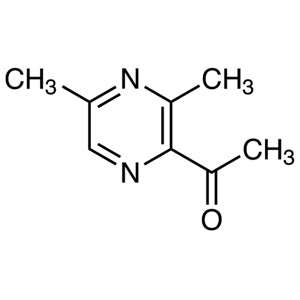
- TCI A3326 54300-08-2 2-Acetyl-3,5-dimethylpyrazine (contains 2-Acetyl-3,6-dimethylpyrazine)
- TCI A2992 5521-56-2 2-Amino-6-methylpyrazine
- TCI A2003 32974-92-8 2-Acetyl-3-ethylpyrazine
- TCI A1978 23787-80-6 2-Acetyl-3-methylpyrazine
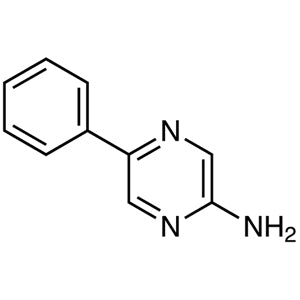
- TCI A1684 13535-13-2 2-Amino-5-phenylpyrazine
- TCI A1154 132664-85-8 2-(Aminomethyl)-5-methylpyrazine
- Organic synthesis of heterocyclic compounds due to its stable structure and reactivity.
- Development of aromatic compounds and functional additives with specific chemical properties.
- Research on molecular structure and chemical behavior in academic and industrial settings.
- Preparation of intermediate compounds for further chemical transformations and derivatization.
- Investigation of reaction mechanisms and catalytic processes in chemical research laboratories.
| Brand | TCI |
|---|---|
| CAS number | 15987-00-5 |
| Molecular formula | — |
| Purity | — |
| Category | Chemistry > Building Blocks > Heterocyclic Building Blocks |
| Pack sizes | — |
| Physical form | — |
| Storage | Store in a cool, dry place away from direct sunlight. |
This compound should be stored in a cool, dry place, away from direct sunlight and sources of heat. It is recommended to use airtight containers to prevent exposure to moisture and air, which may affect its stability. Due to its chemical nature, it should be handled with appropriate personal protective equipment, such as gloves and safety goggles, to ensure laboratory safety. Avoid contact with incompatible materials, and ensure proper ventilation when working with the compound. Proper storage and handling practices help maintain its chemical integrity and ensure safe usage in laboratory environments.
—
Produk Terkait
-
2-Acetyl-3,5-dimethylpyrazine(contains2-Acetyl-3,6-dimethylpyrazine) TCI A3326
Regular price From Rp 1.378.650,00Regular priceRp 979.650,00Sale price From Rp 1.378.650,00 -
2-Amino-6-methylpyrazine TCI A2992
Regular price From Rp 955.500,00Regular priceRp 683.550,00Sale price From Rp 955.500,00 -
2-Acetyl-3-ethylpyrazine TCI A2003
Regular price From Rp 1.087.800,00Regular priceRp 775.950,00Sale price From Rp 1.087.800,00 -
2-Acetyl-3-methylpyrazine TCI A1978
Regular price Rp 1.087.800,00Regular priceRp 775.950,00Sale price Rp 1.087.800,00 -
2-Amino-5-phenylpyrazine TCI A1684
Regular price From Rp 2.702.700,00Regular priceRp 1.905.750,00Sale price From Rp 2.702.700,00 -
2-(Aminomethyl)-5-methylpyrazine TCI A1154
Regular price Rp 6.465.900,00Regular priceRp 4.537.050,00Sale price Rp 6.465.900,00 -
2-Acetylpyrazine TCI A0988
Regular price From Rp 1.087.800,00Regular priceRp 775.950,00Sale price From Rp 1.087.800,00 -
2,3,5,6-Tetramethylpyrazine TCI T0972
Regular price Rp 1.670.550,00Regular priceRp 1.183.350,00Sale price Rp 1.670.550,00