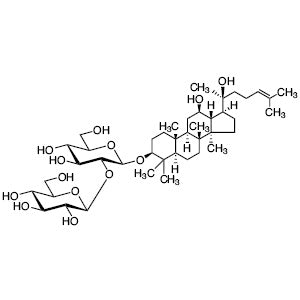
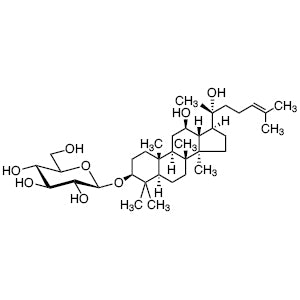
Sarsasapogenin is a naturally occurring chemical compound belonging to the saponin class, known for its complex structure and significant role in various life science research areas. This compound is widely used in laboratories for experiments related to pharmacology, biochemistry, and drug development. Its natural origin from specific plant sources makes it a valuable raw material for the synthesis of other bioactive compounds. Due to its biological activity, Sarsasapogenin is a key component in studies exploring the pharmacological effects and mechanisms of natural substances.
Sarsasapogenin is preferred for its stability under certain conditions and high purity, making it suitable for precise experimental applications. Its anti-inflammatory and antioxidant properties further enhance its utility in research focused on alternative therapies and pharmaceutical development. These characteristics ensure that it remains a reliable and effective material for scientific investigations. Additionally, its non-toxic nature at specific dosages allows for safe use in studies involving cellular and tissue effects.
In Indonesian laboratories, Sarsasapogenin is commonly utilized in research institutions and academic settings. It is frequently found in pharmacological and biochemical laboratories where its properties are leveraged to develop new therapeutic agents. Its role in experimental studies contributes to the advancement of scientific knowledge in natural product research and drug discovery. Its availability and reliability make it an essential component in the research toolkit of Indonesian scientists.
TCI brochures (PDF)
- Steroids 2026-07-28 · p. 8
- Phytochemicals 2025-12-17 · p. 5
- Reagents for Biological Research 2025-03-11 · p. 52
- Pharmacological research utilizes Sarsasapogenin to investigate the biological effects of natural compounds on cellular and tissue responses.
- Biochemical studies employ this compound to explore its role in enzyme interactions and metabolic pathways.
- Drug development programs use Sarsasapogenin as a starting material for the synthesis of bioactive pharmaceuticals.
- Anti-inflammatory research benefits from its inherent properties, aiding in the development of therapeutic agents for inflammatory diseases.
- Antioxidant studies incorporate Sarsasapogenin to assess its potential in combating oxidative stress and related health conditions.
| Brand | TCI |
|---|---|
| CAS number | 126-19-2 |
| Molecular formula | — |
| Purity | — |
| Category | Life Science > Biochemicals and Reagents > Crude Medicine Ingredients for Research and Experimental Use |
| Pack sizes | Available in various quantities as per standard laboratory requirements |
| Physical form | Crystalline solid |
| Storage | Store in a cool, dry place away from direct light |
Sarsasapogenin should be stored in a cool, dry environment to maintain its stability and prevent degradation. It is recommended to keep the compound in a tightly sealed container to avoid moisture exposure. Suitable storage containers include glass or high-density polyethylene vessels that are resistant to chemical reactions. In laboratory settings, it is important to handle the compound with care, using appropriate personal protective equipment such as gloves and safety goggles. Proper labeling of storage containers ensures safe handling and easy identification. Regular monitoring of storage conditions helps maintain the integrity of the compound for reliable experimental results.
—
Product Categories
- Biochemicals and ReagentsCrude Medicine Ingredients for Research and Experimental Use
- Biochemicals and ReagentsSteroidsPhytosteroids [Steroids]
- Cell BiologyCell Signaling and NeuroscienceCytokines, Growth Factors and Hormones
- Cell BiologyNutrition ResearchPhytochemicals
- Pharmaceutical Development and Drug Discovery ResearchCrude Medicine Ingredients for Research and Experimental Use
Produk Terkait
-
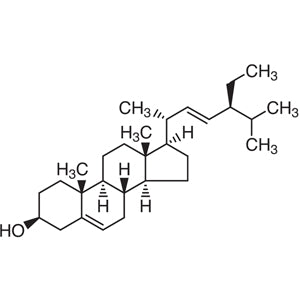
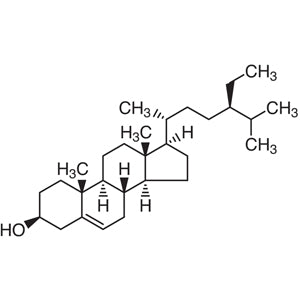
beta-SitosterolAcetate(containsCampesterolAcetate) TCI S0221
Regular price From Rp 2.359.350,00Regular priceRp 1.649.550,00Sale price From Rp 2.359.350,00 -
Stigmasterol TCI S0088
Regular price From Rp 928.200,00Regular priceRp 664.650,00Sale price From Rp 928.200,00 -
beta-Sitosterol(containsCampesterol) TCI S0040
Regular price Rp 1.563.450,00Regular priceRp 1.108.800,00Sale price Rp 1.563.450,00 -
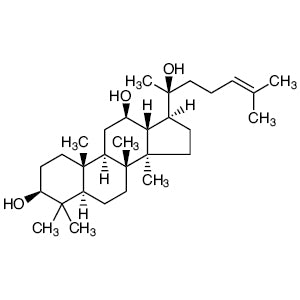
(20S)-Protopanaxadiol TCI P2651
Regular price Rp 5.988.150,00Regular priceRp 4.203.150,00Sale price Rp 5.988.150,00 -
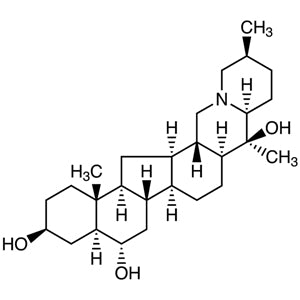
Peimine TCI P2610
Regular price From Rp 1.618.050,00Regular priceRp 1.146.600,00Sale price From Rp 1.618.050,00 -
Smilagenin TCI M3546
Regular price Rp 5.962.950,00Regular priceRp 4.185.300,00Sale price Rp 5.962.950,00 -
20(S)-GinsenosideRg3 TCI G0568
Regular price Rp 2.597.700,00Regular priceRp 1.832.250,00Sale price Rp 2.597.700,00 -
20(R)-GinsenosideRh2 TCI G0567
Regular price From Rp 4.293.450,00Regular priceRp 3.017.700,00Sale price From Rp 4.293.450,00