TCI beta-Sitosterol Acetate (product code S0221, CAS 915-05-9) is the acetate ester of beta-sitosterol. Beta-sitosterol is one of the most abundant phytosterols in plants and occurs in vegetable oils, nuts and grains. As the product name states, this material also contains campesterol acetate, a closely related phytosterol acetate that naturally accompanies sitosterol. TCI lists it under crude medicine ingredients for research and experimental use. In the laboratory it supports phytochemistry research, steroid chemistry and sterol analysis.
Researchers choose the acetate form because the hydroxyl group at the 3-position is already esterified. This gives the compound different solubility, polarity and chromatographic behaviour from the free sterol. The ester is therefore a useful reference material when analysing derivatized sterols, or when phytosterols are isolated from plant extracts as their acetate derivatives. Campesterol acetate is present, so it must be taken into account in quantitative work. On the other hand, this mixed composition reflects the natural phytosterol profile commonly found in plant-based samples, which makes the material realistic for method development.
Indonesia has a wealth of medicinal plants and vegetable oils, so phytosterol analysis is relevant to many local research settings. University phytochemistry and pharmacognosy laboratories use this material to characterise sterol fractions from plant extracts. Food and vegetable oil research laboratories use it when studying sterol content. Natural product chemistry groups use it as a comparison standard when isolating and identifying sterol acetates from traditional medicinal plant materials.
TCI brochures (PDF)
- Traditional Medicine/Crude Medicine Research Reagents 2024-09-11 · p. 2
- Steroids 2026-07-28 · p. 8
- Plant Research Reagents 2026-02-24 · p. 9
- Phytochemicals 2025-12-17 · p. 5
- Phytochemical research on plant extracts: the acetate ester serves as a reference when phytosterols are isolated and identified as acetate derivatives from medicinal plants, vegetable oils, nuts and grains.
- Sterol analysis by chromatography: its esterified 3-hydroxyl group gives retention and polarity behaviour different from free sterols, so it helps confirm the identity of derivatized sterol peaks.
- Steroid chemistry studies: as a well-defined phytosterol ester, it is a useful starting point or comparison compound for research on the reactivity and properties of sterol acetates.
- Analytical method development: the natural mixture of sitosterol and campesterol acetates resembles real plant sterol profiles, which helps researchers test the separation and resolution of closely related sterols.
- Research on crude medicine ingredients: it fits experimental studies of traditional medicine raw materials, where sterol constituents must be characterised and compared against a known reference compound.
| Brand | TCI (product code S0221) |
|---|---|
| CAS number | 915-05-9 |
| Molecular formula | — |
| Purity | — |
| Category | Life Science > Biochemicals and Reagents > Crude Medicine Ingredients for Research and Experimental Use |
| Pack sizes | available in TCI standard pack sizes; please contact AMI Scientific for current options |
| Physical form | refer to the TCI product label and Certificate of Analysis for exact form and recommended storage conditions |
| Storage | — |
- Composition: beta-sitosterol acetate containing campesterol acetate, as stated in the product name
Store beta-Sitosterol Acetate in its original, tightly closed TCI container in a cool, dry place. Keep it away from direct sunlight, heat sources and moisture, and always follow the storage conditions printed on the product label. When transferring portions, use clean, dry glass or chemically compatible containers that are clearly labelled, so that the reference material does not become contaminated. Handle the material under general good laboratory practice: wear gloves, safety glasses and a lab coat, avoid creating or inhaling dust, and avoid contact with skin and eyes. Work in a well-ventilated area or a fume hood, especially when preparing solutions in organic solvents. Before use, read the TCI Safety Data Sheet for full hazard, first-aid and disposal information. Dispose of waste in line with institutional and local regulations.
—
Product Categories
- Biochemicals and ReagentsCrude Medicine Ingredients for Research and Experimental Use
- Biochemicals and ReagentsSteroidsPhytosteroids [Steroids]
- Cell BiologyCell Signaling and NeuroscienceCytokines, Growth Factors and Hormones
- Cell BiologyNutrition ResearchPhytochemicals
- Pharmaceutical Development and Drug Discovery ResearchCrude Medicine Ingredients for Research and Experimental Use
Produk Terkait
-
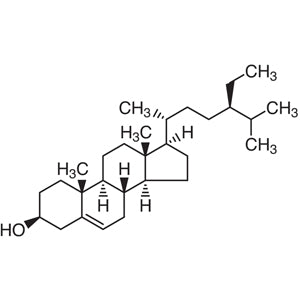
beta-Sitosterol(containsCampesterol) TCI S0040
Regular price Rp 1.563.450,00Regular priceRp 1.108.800,00Sale price Rp 1.563.450,00 -
Sarsasapogenin TCI A3192
Regular price From Rp 2.411.850,00Regular priceRp 1.702.050,00Sale price From Rp 2.411.850,00 -
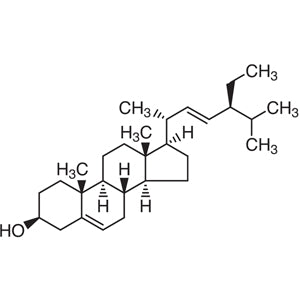
Stigmasterol TCI S0088
Regular price From Rp 928.200,00Regular priceRp 664.650,00Sale price From Rp 928.200,00 -
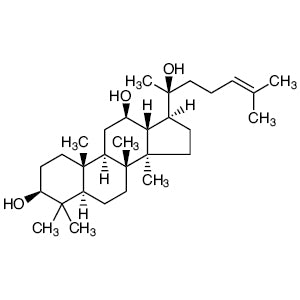
(20S)-Protopanaxadiol TCI P2651
Regular price Rp 5.988.150,00Regular priceRp 4.203.150,00Sale price Rp 5.988.150,00 -
Peimine TCI P2610
Regular price From Rp 1.618.050,00Regular priceRp 1.146.600,00Sale price From Rp 1.618.050,00 -
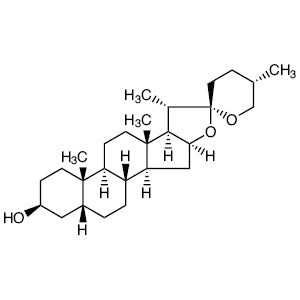
Smilagenin TCI M3546
Regular price Rp 5.962.950,00Regular priceRp 4.185.300,00Sale price Rp 5.962.950,00 -
20(S)-GinsenosideRg3 TCI G0568
Regular price Rp 2.597.700,00Regular priceRp 1.832.250,00Sale price Rp 2.597.700,00 -
20(R)-GinsenosideRh2 TCI G0567
Regular price From Rp 4.293.450,00Regular priceRp 3.017.700,00Sale price From Rp 4.293.450,00