Ethyl Benzoylacetate is a chemical compound widely used as a foundational material in various laboratory reactions. It serves as a key building block in the synthesis of organic compounds, particularly in the creation of esters and carbonyl compounds. This versatile compound is essential in chemical research for its ability to participate in a range of reactions, making it a valuable tool for chemists working in both academic and industrial settings. Its role in the laboratory extends beyond mere reactivity, as it contributes to the development of more complex molecular structures.
The compound's chemical stability and reactivity with various reagents make it a preferred choice for laboratory use. Its non-volatile nature and high boiling point ensure that it remains stable under a variety of experimental conditions, reducing the risk of evaporation or decomposition. These properties make it suitable for reactions that require precise control over temperature and reaction environment. Additionally, its compatibility with a wide range of reagents enhances its utility in diverse synthetic pathways, allowing researchers to achieve consistent and reliable results.
In Indonesian laboratories, Ethyl Benzoylacetate is commonly used in organic synthesis research, particularly in educational and research institutions. Its availability and reliability make it a go-to material for both teaching and advanced research applications. The compound’s role in supporting the development of new chemical compounds is critical, especially in the context of Indonesia’s growing scientific community. Its widespread use in both academic and industrial laboratories highlights its importance in the chemical research landscape of the region.
- Organic synthesis is a primary application where Ethyl Benzoylacetate is used to build complex molecular structures through esterification and carbonyl group formation.
- Educational laboratories utilize this compound to teach fundamental chemical reactions and synthesis techniques to students.
- Industrial research settings employ it for the development of new chemical products and pharmaceutical intermediates.
- Analytical chemistry experiments benefit from its stability and reactivity, allowing for accurate and reproducible results.
- Environmental studies may use it as a model compound to study the behavior of organic chemicals in different conditions.
| Brand | TCI |
|---|---|
| CAS number | 94-02-0 |
| Molecular formula | — |
| Purity | — |
| Category | Chemistry > Building Blocks > Non-Heterocyclic Building Blocks |
| Pack sizes | Available in various quantities as per supplier specifications |
| Physical form | Liquid |
| Storage | Store in a cool, dry place away from direct sunlight |
Ethyl Benzoylacetate should be stored in a cool, dry environment to maintain its chemical stability. It is recommended to keep the compound in a tightly sealed container to prevent any potential evaporation or contamination. Due to its non-volatile nature, it does not require refrigeration but should be protected from moisture and direct light. In laboratory settings, it is important to handle the compound with care, using appropriate personal protective equipment. Proper ventilation should be maintained when working with this material to ensure a safe working environment. Always follow standard laboratory safety protocols when handling and storing chemical compounds.
—
Produk Terkait
-
2-Benzoylacetanilide TCI B0904
Regular price From Rp 795.900,00Regular priceRp 572.250,00Sale price From Rp 795.900,00 -
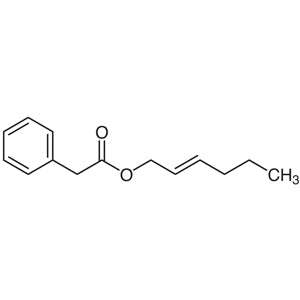
trans-2-Hexen-1-ylPhenylacetate TCI P1045
Regular price Rp 1.351.350,00Regular priceRp 960.750,00Sale price Rp 1.351.350,00 -
MethylPhenylacetate TCI P0125
Regular price From Rp 557.550,00Regular priceRp 405.300,00Sale price From Rp 557.550,00 -
IsobutylPhenylacetate TCI P0124
Regular price Rp 530.250,00Regular priceRp 386.400,00Sale price Rp 530.250,00 -
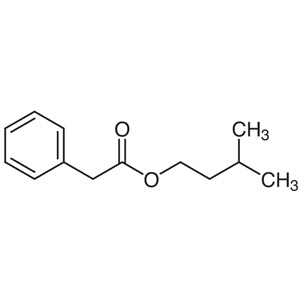
IsoamylPhenylacetate TCI P0123
Regular price Rp 2.862.300,00Regular priceRp 2.017.050,00Sale price Rp 2.862.300,00 -
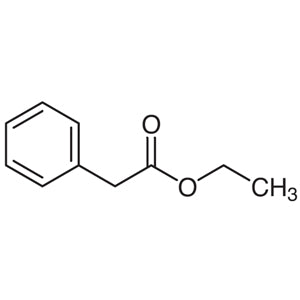
EthylPhenylacetate TCI P0122
Regular price From Rp 557.550,00Regular priceRp 405.300,00Sale price From Rp 557.550,00 -
BenzylPhenylacetate TCI P0121
Regular price Rp 822.150,00Regular priceRp 590.100,00Sale price Rp 822.150,00 -
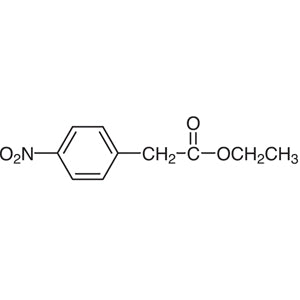
Ethyl4-Nitrophenylacetate TCI N0228
Regular price From Rp 822.150,00Regular priceRp 590.100,00Sale price From Rp 822.150,00