1,4-Butanesultone is a versatile chemical compound widely used in laboratory settings for its unique reactivity and structural properties. As a heterocyclic building block, it plays a crucial role in the synthesis of complex organic molecules, including pharmaceuticals, polymers, and industrial chemicals. Its molecular structure consists of two sulfonate groups connected by a carbon chain, making it an essential component in various chemical reactions. This compound is particularly valuable for its ability to participate in substitution and ring-opening reactions, which are fundamental in organic chemistry. Its stability under controlled conditions further enhances its utility in laboratory environments.
The chemical properties of 1,4-Butanesultone make it a preferred choice for researchers and chemists. It exhibits a high degree of reactivity, allowing it to interact effectively with a wide range of reagents. Its stability ensures that it remains effective during prolonged storage and use, while its reactivity enables it to be a key player in the formation of heterocyclic compounds. These characteristics make it an ideal material for both academic and industrial research. The compound’s ability to form complex structures also makes it a valuable tool in the development of new materials and drug candidates.
In Indonesian laboratories, 1,4-Butanesultone is commonly used in chemical research, especially in the fields of pharmacy and material science. Its role in synthesizing complex compounds aligns with the needs of local researchers working on drug development and polymer science. The compound’s availability and reliability make it a popular choice for both teaching and research purposes in the region. Its application in various chemical processes supports the advancement of scientific knowledge and innovation in the Indonesian scientific community.
TCI brochures (PDF)
- High Purity and Low Water Content Sulfolane-type Electrolyte Solvent MESL 2025-06-10 · p. 1
- Lithium Battery Research Reagents 2026-06-04 · p. 1
- Battery Research Reagents 2026-09-18 · p. 5
- Pharmaceutical synthesis: 1,4-Butanesultone is used in the development of new drugs due to its ability to form complex heterocyclic structures essential in medicinal chemistry.
- Polymer science research: The compound is employed in the creation of advanced polymers and materials, where its reactivity and structural versatility are highly beneficial.
- Organic chemistry experiments: Its role in substitution and ring-opening reactions makes it a key reagent in teaching and research settings for organic chemistry students.
- Industrial chemical production: It is utilized in the manufacturing of various industrial chemicals, where its stability and reactivity contribute to efficient synthesis processes.
- Material science innovation: The compound’s ability to form heterocyclic compounds supports the development of new materials with unique properties and applications.
| Brand | TCI |
|---|---|
| CAS number | 1633-83-6 |
| Molecular formula | — |
| Purity | — |
| Category | Chemistry > Building Blocks > Heterocyclic Building Blocks |
| Pack sizes | Available in various quantities as per standard laboratory supply |
| Physical form | Solid |
| Storage | Store in a cool, dry place away from moisture and direct sunlight |
1,4-Butanesultone should be stored in a cool, dry environment to maintain its chemical stability and prevent degradation. It is recommended to keep the compound in a sealed container to avoid exposure to moisture and air, which can affect its reactivity. Due to its chemical nature, it should be handled with care, using appropriate personal protective equipment such as gloves and safety goggles. It is important to ensure that the storage area is well-ventilated to minimize the risk of inhalation of any vapors. Avoid storing near incompatible materials to prevent any potential chemical interactions. Proper labeling and storage conditions help ensure the safety and effectiveness of the compound in laboratory settings.
—
Product Categories
Produk Terkait
-
1,3-Propanesultone TCI P0324
Regular price From Rp 769.650,00Regular priceRp 553.350,00Sale price From Rp 769.650,00 -
Tetrahydrothiophene1,1-Dioxide TCI T0115
Regular price From Rp 530.250,00Regular priceRp 386.400,00Sale price From Rp 530.250,00 -
3-Methylsulfolane TCI M0436
Regular price From Rp 2.809.800,00Regular priceRp 1.980.300,00Sale price From Rp 2.809.800,00 -
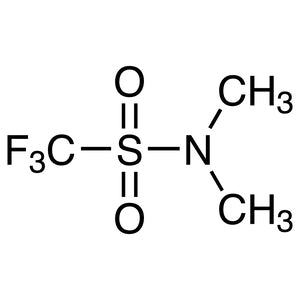
1,1,1-Trifluoro-N,N-dimethylmethanesulfonamide TCI D6135
Regular price From Rp 1.087.800,00Regular priceRp 775.950,00Sale price From Rp 1.087.800,00 -
1,4-Butanesultam TCI B3117
Regular price From Rp 3.710.700,00Regular priceRp 2.610.300,00Sale price From Rp 3.710.700,00 -
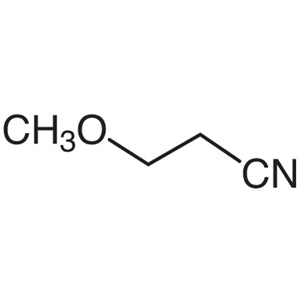
3-Methoxypropionitrile TCI M0653
Regular price From Rp 928.200,00Regular priceRp 664.650,00Sale price From Rp 928.200,00 -
Methoxyacetonitrile TCI M0103
Regular price From Rp 1.801.800,00Regular priceRp 1.275.750,00Sale price From Rp 1.801.800,00 -
4-Fluoro-1,3-dioxolan-2-one TCI F0731
Regular price From Rp 1.829.100,00Regular priceRp 1.278.900,00Sale price From Rp 1.829.100,00