Benzoyl-DL-phenylalanine is a chemical compound widely used in laboratory settings for its role in chemical and biochemical experiments, particularly in peptide chemistry and protein synthesis. This compound serves as a key building block in the development of bioactive molecules, making it essential for researchers working in organic chemistry and biotechnology. Its structural complexity allows it to participate in various chemical reactions, contributing to the synthesis of complex biomolecules. In laboratory environments, Benzoyl-DL-phenylalanine is often utilized as a substrate or reagent in reactions requiring high reactivity and structural specificity.
The compound's chemical properties make it a preferred choice for synthetic applications. It exhibits stability under controlled conditions, which is crucial for maintaining the integrity of experimental results. However, it is sensitive to moisture and air exposure, necessitating careful handling and storage. Its ability to form bonds with other molecules enhances its utility in peptide synthesis, where precise molecular interactions are required. This versatility makes it a valuable tool for researchers aiming to develop new pharmaceuticals or biochemical compounds.
In Indonesian laboratories, Benzoyl-DL-phenylalanine is commonly used in research related to organic chemistry, biochemistry, and pharmacology. It is particularly relevant for studies involving the synthesis of bioactive compounds and the exploration of molecular interactions. Many research institutions and universities in Indonesia rely on this compound for experiments that require high specificity and reactivity. Its availability in solid form facilitates accurate measurement and use in various experimental protocols.
TCI brochures (PDF)
- Amino Acids and Peptide Synthesis Reagents 2025-08-14 · p. 16
Related TCI products
- TCI B0309 15873-25-3 N-Benzoyl-DL-phenylalanine 2-Naphthyl Ester
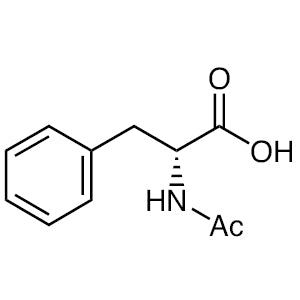
- TCI A0105 10172-89-1 N-Acetyl-D-phenylalanine
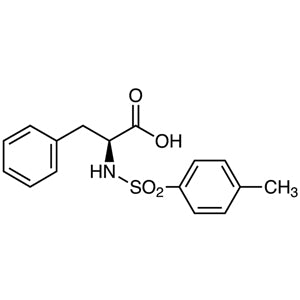
- TCI T1443 13505-32-3 N-(p-Toluenesulfonyl)-L-phenylalanine
- TCI B5350 68856-96-2 N-(tert-Butoxycarbonyl)-4-methoxy-D-phenylalanine
- TCI B5011 85466-66-6 N-(tert-Butoxycarbonyl)-N-methyl-D-phenylalanine
- TCI B4369 114873-07-3 N-(tert-Butoxycarbonyl)-4-trifluoromethyl-L-phenylalanine
- Peptide Synthesis: Benzoyl-DL-phenylalanine is ideal for peptide synthesis due to its structural compatibility and reactivity in forming peptide bonds.
- Biochemical Research: Its use in biochemical experiments allows for the study of molecular interactions and enzyme activities in controlled environments.
- Organic Chemistry Studies: The compound is frequently employed in organic synthesis to create complex molecular structures with specific functional groups.
- Pharmaceutical Development: Researchers use it to develop new drugs by synthesizing bioactive molecules with targeted biological effects.
- Analytical Chemistry: It serves as a reference compound for analytical techniques such as HPLC and mass spectrometry due to its well-defined chemical properties.
| Brand | TCI |
|---|---|
| CAS number | 2901-76-0 |
| Molecular formula | — |
| Purity | — |
| Category | Chemistry > Chemical Biology > Peptide Chemistry |
| Pack sizes | Available in various quantities as per supplier specifications |
| Physical form | Solid |
| Storage | Store in a dry, cool place away from moisture and air exposure |
Benzoyl-DL-phenylalanine should be stored in a dry, cool environment to prevent degradation due to moisture and air exposure. It is recommended to use airtight containers to maintain its chemical stability and prevent contamination. Laboratory personnel should handle the compound with care, using appropriate personal protective equipment when necessary. Due to its sensitivity, it should be stored in a controlled environment to ensure its effectiveness in experimental applications. Proper storage conditions are essential to maintain the compound’s integrity and ensure consistent results in laboratory experiments.
—
Product Categories
Produk Terkait
-
N-Benzoyl-DL-phenylalanine2-NaphthylEster TCI B0309
Regular price From Rp 610.050,00Regular priceRp 442.050,00Sale price From Rp 610.050,00 -
N-Acetyl-D-phenylalanine TCI A0105
Regular price From Rp 1.140.300,00Regular priceRp 812.700,00Sale price From Rp 1.140.300,00 -
N-(p-Toluenesulfonyl)-L-phenylalanine TCI T1443
Regular price From Rp 900.900,00Regular priceRp 645.750,00Sale price From Rp 900.900,00 -
N-(tert-Butoxycarbonyl)-4-methoxy-D-phenylalanine TCI B5350
Regular price From Rp 1.723.050,00Regular priceRp 1.220.100,00Sale price From Rp 1.723.050,00 -
N-(tert-Butoxycarbonyl)-N-methyl-D-phenylalanine TCI B5011
Regular price From Rp 1.643.250,00Regular priceRp 1.164.450,00Sale price From Rp 1.643.250,00 -
N-(tert-Butoxycarbonyl)-4-trifluoromethyl-L-phenylalanine TCI B4369
Regular price Rp 6.306.300,00Regular priceRp 4.425.750,00Sale price Rp 6.306.300,00 -
N-(tert-Butoxycarbonyl)-L-homophenylalanine TCI B4356
Regular price Rp 717.150,00Regular priceRp 516.600,00Sale price Rp 717.150,00