N-Benzoyl-DL-phenylalanine 2-Naphthyl Ester is a chemical compound widely used in chemical and biochemical experiments, particularly in the field of peptide chemistry. This compound plays a crucial role in laboratory research by enabling specific chemical reactions such as hydrolysis and peptide bond formation. Its unique molecular structure allows it to participate in various biochemical processes, making it an essential tool for studying enzyme activity and reaction mechanisms. In laboratory settings, it is frequently used to investigate the behavior of enzymes and the degradation of peptides, contributing to advancements in biochemistry and pharmaceutical research.
The compound is preferred due to its excellent solubility in organic solvents and its stability under certain conditions. These properties make it highly versatile for use in a variety of chemical reactions, including peptide synthesis and enzyme activity assays. Its specific chemical structure also ensures high specificity in reactions that require precise molecular interactions. This makes it a reliable and efficient reagent for researchers working in both academic and industrial environments.
In Indonesian laboratories, this compound is commonly used in research related to chemistry, biochemistry, and pharmacology. Scientists and researchers in educational institutions and research organizations frequently utilize it for experiments involving enzyme activity and organic compound synthesis. Its application is particularly valuable in studies aimed at understanding biological processes and developing new pharmaceutical compounds.
TCI brochures (PDF)
- Amino Acids and Peptide Synthesis Reagents 2025-08-14 · p. 16
Related TCI products
- TCI B0302 2901-76-0 Benzoyl-DL-phenylalanine
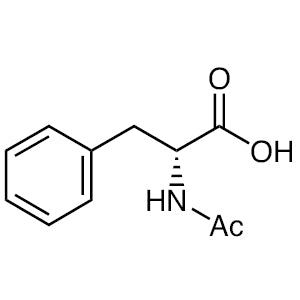
- TCI A0105 10172-89-1 N-Acetyl-D-phenylalanine
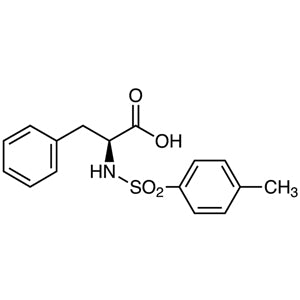
- TCI T1443 13505-32-3 N-(p-Toluenesulfonyl)-L-phenylalanine
- TCI B5350 68856-96-2 N-(tert-Butoxycarbonyl)-4-methoxy-D-phenylalanine
- TCI B5011 85466-66-6 N-(tert-Butoxycarbonyl)-N-methyl-D-phenylalanine
- TCI B4369 114873-07-3 N-(tert-Butoxycarbonyl)-4-trifluoromethyl-L-phenylalanine
- Enzyme Activity Testing: This compound is ideal for assessing the catalytic efficiency of enzymes in biochemical reactions due to its specific reactivity and structural compatibility.
- Peptide Synthesis: Its ability to form peptide bonds makes it a key reagent in the synthesis of peptides, supporting research in protein chemistry and drug development.
- Biochemical Reaction Mechanism Studies: The compound's unique structure allows it to be used in experiments that investigate the mechanisms of biochemical reactions and enzyme-substrate interactions.
- Organic Compound Analysis: Its solubility and stability make it suitable for use in analytical techniques that require precise chemical reactions and controlled environments.
- Degradation Process Research: It is used to study the breakdown of peptides and other organic compounds, providing insights into degradation pathways and enzyme function.
| Brand | TCI |
|---|---|
| CAS number | 15873-25-3 |
| Molecular formula | — |
| Purity | — |
| Category | Chemistry > Chemical Biology > Peptide Chemistry |
| Pack sizes | Available in various quantities as per supplier specifications |
| Physical form | Solid or powder, depending on supplier packaging |
| Storage | Store in a cool, dry place away from light and moisture |
This compound should be stored in a cool, dry place, away from direct light and moisture to maintain its stability and effectiveness. It is recommended to use airtight containers to prevent exposure to air and humidity, which could affect its chemical integrity. In laboratory settings, it should be handled with care, using appropriate personal protective equipment such as gloves and safety goggles to ensure safety. Due to its chemical nature, it should be stored separately from incompatible substances to avoid potential reactions. Proper labeling and storage conditions are essential to ensure its safe use and longevity in research applications.
—
Product Categories
Produk Terkait
-
Benzoyl-DL-phenylalanine TCI B0302
Regular price Rp 3.735.900,00Regular priceRp 2.628.150,00Sale price Rp 3.735.900,00 -
N-Acetyl-D-phenylalanine TCI A0105
Regular price From Rp 1.140.300,00Regular priceRp 812.700,00Sale price From Rp 1.140.300,00 -
N-(p-Toluenesulfonyl)-L-phenylalanine TCI T1443
Regular price From Rp 900.900,00Regular priceRp 645.750,00Sale price From Rp 900.900,00 -
N-(tert-Butoxycarbonyl)-4-methoxy-D-phenylalanine TCI B5350
Regular price From Rp 1.723.050,00Regular priceRp 1.220.100,00Sale price From Rp 1.723.050,00 -
N-(tert-Butoxycarbonyl)-N-methyl-D-phenylalanine TCI B5011
Regular price From Rp 1.643.250,00Regular priceRp 1.164.450,00Sale price From Rp 1.643.250,00 -
N-(tert-Butoxycarbonyl)-4-trifluoromethyl-L-phenylalanine TCI B4369
Regular price Rp 6.306.300,00Regular priceRp 4.425.750,00Sale price Rp 6.306.300,00 -
N-(tert-Butoxycarbonyl)-L-homophenylalanine TCI B4356
Regular price Rp 717.150,00Regular priceRp 516.600,00Sale price Rp 717.150,00