Biphenyl is an organic chemical compound composed of two benzene rings connected in a linear fashion. It serves as a fundamental building block in the synthesis of complex compounds, particularly in organic chemistry and pharmaceutical research. In laboratory settings, Biphenyl is widely used to create molecules with specific structures through chemical reactions such as substitution, reduction, and oxidation. Its role as a versatile starting material makes it essential for researchers aiming to develop new compounds or study molecular behavior.
Biphenyl is chemically stable, with relatively high melting and boiling points, which makes it suitable for various reaction conditions. It is non-polar and insoluble in water, but it dissolves well in organic solvents like ethyl acetate and chloroform. These properties contribute to its reliability as a reagent in synthetic processes. Its consistent physical and chemical characteristics ensure that it remains effective across different experimental setups without significant degradation.
In Indonesian laboratories, Biphenyl is commonly used in chemical research, especially in higher education institutions and research organizations. It plays a key role in teaching and learning processes, supporting the development of new compounds and the characterization of organic substances. Its applications are broad, ranging from basic research to more advanced synthetic projects, making it a valuable resource for both academic and industrial laboratories.
Related TCI products
- TCI B5881 85600-56-2 4,4'-Bis(trans-4-propylcyclohexyl)biphenyl
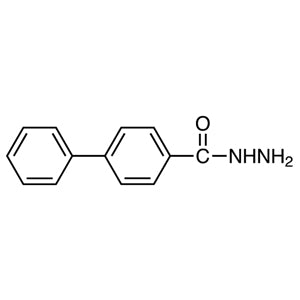
- TCI B4350 18622-23-6 Biphenyl-4-carboxylic Hydrazide
- TCI B4186 1204-60-0 Biphenyl-3-carboxaldehyde
- TCI B3850 716-76-7 Biphenyl-3-carboxylic Acid
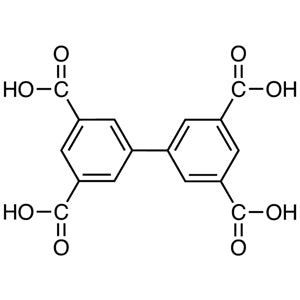
- TCI B3792 4371-28-2 Biphenyl-3,3',5,5'-tetracarboxylic Acid
- TCI B2730 79448-61-6 4,4'-Bis[(E)-2-methoxystyryl]biphenyl
- Organic synthesis applications benefit from Biphenyl's structural versatility, allowing the creation of complex molecules with precise functional groups.
- Pharmaceutical research utilizes Biphenyl as a starting material for the development of new drug compounds due to its stable chemical properties.
- Teaching laboratories use Biphenyl in educational experiments to demonstrate molecular structure and reactivity in organic chemistry courses.
- Characterization studies rely on Biphenyl for its predictable behavior in analytical techniques such as spectroscopy and chromatography.
- Industrial research employs Biphenyl in the formulation of specialty chemicals and materials due to its chemical inertness and solubility in organic solvents.
| Brand | TCI |
|---|---|
| CAS number | 92-52-4 |
| Molecular formula | — |
| Purity | — |
| Category | Chemistry > Building Blocks > Non-Heterocyclic Building Blocks |
| Pack sizes | Available in various sizes as per supplier specifications |
| Physical form | Solid crystalline powder |
| Storage | Store in a cool, dry place away from light and moisture |
Biphenyl should be stored in a cool, dry environment, away from direct light and moisture to maintain its chemical stability. It is recommended to keep it in a tightly sealed container made of glass or polyethylene to prevent contamination and evaporation. Due to its non-polar nature, it is important to handle it with care to avoid exposure to incompatible materials. In laboratory settings, it is advisable to use appropriate personal protective equipment, such as gloves and safety goggles, when handling Biphenyl. Proper ventilation should be maintained in the workspace to ensure safe handling and minimize any potential risks associated with its use.
—
Produk Terkait
-
4,4'-Bis(trans-4-propylcyclohexyl)biphenyl TCI B5881
Regular price Rp 1.565.550,00Regular priceRp 1.094.100,00Sale price Rp 1.565.550,00 -
Biphenyl-4-carboxylicHydrazide TCI B4350
Regular price Rp 1.696.800,00Regular priceRp 1.202.250,00Sale price Rp 1.696.800,00 -
Biphenyl-3-carboxaldehyde TCI B4186
Regular price From Rp 1.776.600,00Regular priceRp 1.242.150,00Sale price From Rp 1.776.600,00 -
Biphenyl-3-carboxylicAcid TCI B3850
Regular price From Rp 900.900,00Regular priceRp 645.750,00Sale price From Rp 900.900,00 -
Biphenyl-3,3',5,5'-tetracarboxylicAcid TCI B3792
Regular price Rp 3.949.050,00Regular priceRp 2.761.500,00Sale price Rp 3.949.050,00 -
4,4'-Bis[(E)-2-methoxystyryl]biphenyl TCI B2730
Regular price Rp 1.856.400,00Regular priceRp 1.313.550,00Sale price Rp 1.856.400,00 -
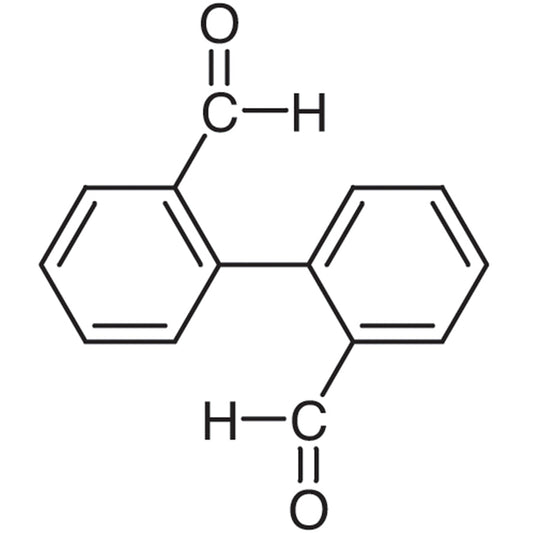
Biphenyl-2,2'-dicarboxaldehyde TCI B2056
Regular price Rp 4.028.850,00Regular priceRp 2.817.150,00Sale price Rp 4.028.850,00 -
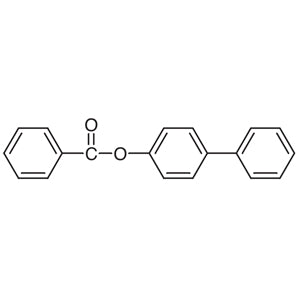
4-BiphenylBenzoate TCI B1866
Regular price From Rp 1.272.600,00Regular priceRp 905.100,00Sale price From Rp 1.272.600,00