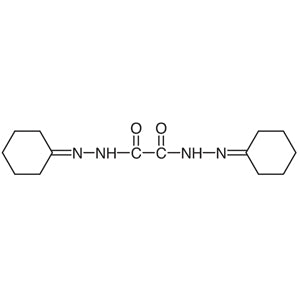
Bis(cyclohexanone) oxalyldihydrazone is a chemical compound widely used as a building block in the synthesis of complex molecules. This material plays a crucial role in organic chemistry laboratories, where it serves as a versatile intermediate for constructing molecules with specific structural features. Its unique molecular structure allows it to act as a bridging or linking agent in various chemical reactions, enabling the formation of new compounds with desired properties. Due to its adaptability, it is a valuable tool for researchers aiming to develop new materials, pharmaceuticals, or industrial chemicals.
The compound is known for its reactivity and stability under controlled laboratory conditions, making it a preferred choice for synthetic chemists. Its ability to form stable bonds with a variety of functional groups enhances its utility in the creation of both heterocyclic and non-heterocyclic compounds. This versatility allows it to be used in multiple synthetic pathways, contributing to the efficiency and success of chemical synthesis processes. Its chemical stability also ensures that it can be stored and handled with relative ease, reducing the risk of degradation during experimentation.
In Indonesian laboratories, Bis(cyclohexanone) oxalyldihydrazone is commonly used in organic chemistry research, particularly in projects focused on the synthesis of complex compounds. It is frequently employed in academic and industrial research settings, supporting the development of new drugs, materials, and chemical products. Its availability and reliability make it a trusted choice for researchers working in the field of chemical synthesis and innovation.
- Organic synthesis projects benefit from this compound due to its ability to form stable intermediates and connect functional groups effectively.
- Drug development research utilizes it as a building block for creating complex molecular structures essential for pharmaceutical applications.
- Material science experiments leverage its reactivity to synthesize novel materials with tailored properties for industrial use.
- Academic research in chemical synthesis relies on its versatility to explore new reaction pathways and molecular designs.
- Industrial chemical production incorporates it for the efficient synthesis of compounds used in various manufacturing processes.
| Brand | TCI |
|---|---|
| CAS number | 370-81-0 |
| Molecular formula | — |
| Purity | — |
| Category | Chemistry > Building Blocks > Non-Heterocyclic Building Blocks |
| Pack sizes | Available in various quantities as per supplier specifications |
| Physical form | Solid (as per standard product description) |
| Storage | Store in a cool, dry place away from direct sunlight |
This compound should be stored in a cool, dry environment, away from direct sunlight and sources of heat. It is recommended to use airtight containers to prevent moisture absorption and maintain its chemical integrity. Due to its reactivity, it should be handled with care, using appropriate personal protective equipment such as gloves and safety goggles. In laboratory settings, it should be stored separately from incompatible substances to avoid potential chemical interactions. Proper labeling of storage containers is essential for safety and identification. Regular inspection of storage conditions ensures that the material remains stable and suitable for use in chemical synthesis processes.
—
Produk Terkait
-
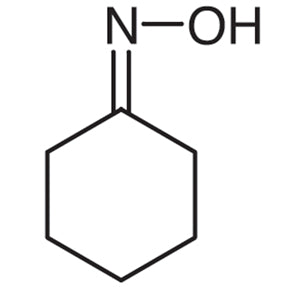
CyclohexanoneOxime TCI C0490
Regular price Rp 530.250,00Regular priceRp 386.400,00Sale price Rp 530.250,00 -
4-(tert-Butoxycarbonylamino)cyclohexanone TCI B3856
Regular price Rp 557.550,00Regular priceRp 405.300,00Sale price Rp 557.550,00 -
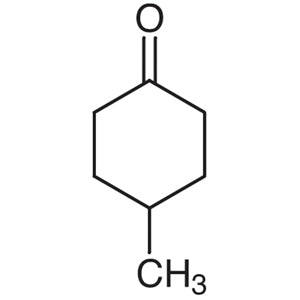
4-Methylcyclohexanone TCI M0199
Regular price Rp 980.700,00Regular priceRp 685.650,00Sale price Rp 980.700,00 -
3-Methylcyclohexanone TCI M0198
Regular price Rp 689.850,00Regular priceRp 481.950,00Sale price Rp 689.850,00 -
2-Methylcyclohexanone TCI M0197
Regular price Rp 769.650,00Regular priceRp 537.600,00Sale price Rp 769.650,00 -
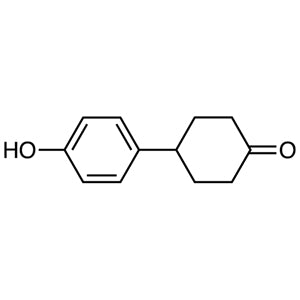
4-(4-Hydroxyphenyl)cyclohexanone TCI H1316
Regular price Rp 1.220.100,00Regular priceRp 868.350,00Sale price Rp 1.220.100,00 -
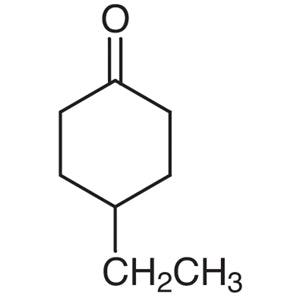
4-Ethylcyclohexanone TCI E0398
Regular price Rp 2.121.000,00Regular priceRp 1.498.350,00Sale price Rp 2.121.000,00 -
2,6-Di-tert-butyl-4-methylcyclohexanone(mixtureofisomers) TCI D4385
Regular price Rp 1.908.900,00Regular priceRp 1.350.300,00Sale price Rp 1.908.900,00