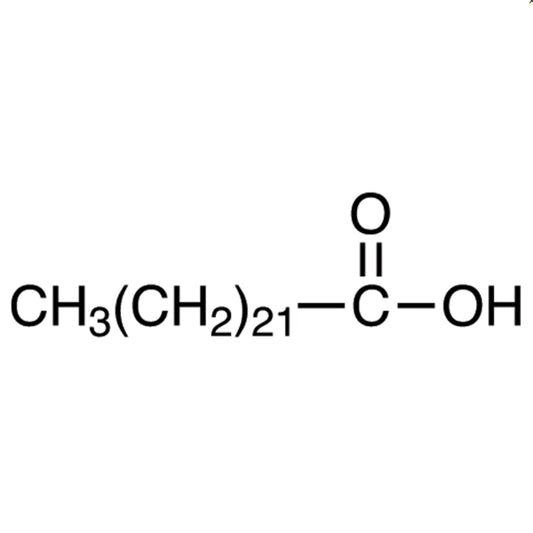
1-Butanol, with CAS number 71-36-3, is an organic compound widely used in various laboratory applications. As a type of alcohol, it is commonly employed as a solvent in chemical reactions due to its volatility and ability to dissolve both organic and inorganic substances. This versatile compound plays a crucial role in the chemical industry and research settings, where it is used for dissolving materials, diluting chemicals, and facilitating chemical analysis. Its chemical stability and solubility properties make it a reliable choice for a wide range of laboratory tasks.
One of the key reasons 1-Butanol is preferred in laboratories is its ability to dissolve a broad spectrum of compounds, making it an essential tool in organic synthesis and purification processes. Its relatively high boiling point allows it to be used in distillation and evaporation techniques, which are fundamental in chemical separation. Additionally, its non-corrosive nature ensures that it is safe to handle in laboratory environments, reducing the risk of damage to equipment or harm to personnel. These properties make it a valuable asset in both academic and industrial research settings.
In Indonesian laboratories, 1-Butanol is commonly used in organic chemistry, analytical chemistry, and chemical synthesis. It is particularly useful in applications that require a solvent with good solubility and stability. Its availability and reliability make it a preferred choice for researchers and technicians working in various scientific fields across Indonesia. The compound’s utility in both basic and advanced laboratory procedures underscores its importance in the scientific community.
TCI brochures (PDF)
- Lipids 2025-12-17 · p. 15
- Building Blocks for Organic Semiconductor 2026-03-24 · p. 40
- Organic synthesis where 1-Butanol serves as a versatile solvent for dissolving reactants and facilitating chemical reactions.
- Distillation processes due to its relatively high boiling point, which allows for controlled separation of compounds.
- Sample preparation in analytical chemistry, where it is used to dissolve and dilute substances for further testing.
- Chromatography techniques, as it helps in the separation and identification of organic compounds.
- Chemical analysis in quality control, where it is used to prepare samples for spectroscopic and titration methods.
| Brand | TCI |
|---|---|
| CAS number | 71-36-3 |
| Molecular formula | — |
| Purity | — |
| Category | Chemistry > Solvents > Alcohol Solvents |
| Pack sizes | Available in various sizes as per supplier specifications |
| Physical form | Liquid |
| Storage | Store in a cool, dry place away from direct sunlight and heat sources |
1-Butanol should be stored in a cool, dry location away from direct sunlight and heat sources to maintain its stability and prevent degradation. It is recommended to use sealed containers made of glass or high-density polyethylene to minimize evaporation and contamination. Due to its volatility, proper ventilation is essential when handling the compound in a laboratory setting. It is important to avoid contact with skin and eyes, and to use appropriate personal protective equipment such as gloves and safety goggles. While it is not corrosive, it should be handled with care to ensure safety in all laboratory operations. Proper storage and handling practices help maintain the integrity of the compound and ensure a safe working environment.
—
Produk Terkait
-
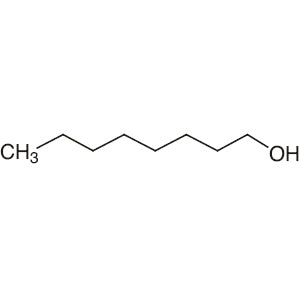
1-Octanol TCI O0036
Regular price From Rp 477.750,00Regular priceRp 333.900,00Sale price From Rp 477.750,00 -
ValericAcid TCI V0003
Regular price From Rp 610.050,00Regular priceRp 426.300,00Sale price From Rp 610.050,00 -
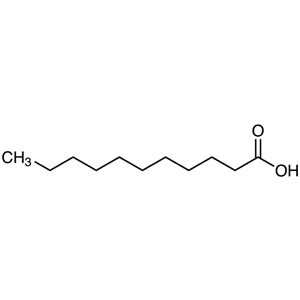
UndecanoicAcid TCI U0004
Regular price From Rp 1.008.000,00Regular priceRp 720.300,00Sale price From Rp 1.008.000,00 -
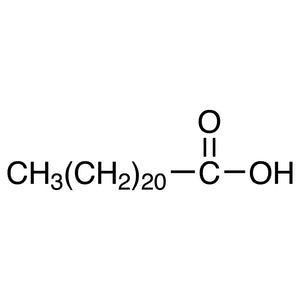
BehenicAcid TCI B1747
Regular price Rp 4.028.850,00Regular priceRp 2.832.900,00Sale price Rp 4.028.850,00 -
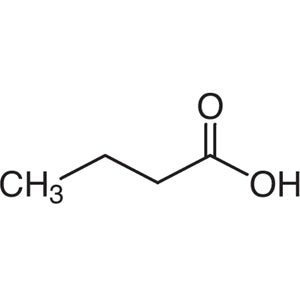
ButyricAcid TCI B0754
Regular price From Rp 477.750,00Regular priceRp 333.900,00Sale price From Rp 477.750,00 -
TridecanoicAcid TCI T0412
Regular price From Rp 3.843.000,00Regular priceRp 2.702.700,00Sale price From Rp 3.843.000,00 -
TricosanoicAcid TCI T0402
Regular price From Rp 3.392.550,00Regular priceRp 2.387.700,00Sale price From Rp 3.392.550,00 -
1-Tetradecanol TCI T0084
Regular price From Rp 477.750,00Regular priceRp 333.900,00Sale price From Rp 477.750,00