3-tert-Butyl-4-hydroxyanisole is a chemical compound widely used in laboratory settings for its antioxidant properties. It belongs to the category of building blocks in organic chemistry and plays a crucial role in the synthesis of various organic compounds. This compound is commonly employed as an antioxidant and as a reagent in substitution and radical reactions. Its ability to inhibit oxidation makes it an essential component in preserving the integrity of chemical reactions and preventing unwanted degradation of compounds during synthesis.
One of the key properties that make 3-tert-Butyl-4-hydroxyanisole a preferred choice is its stability and effectiveness as an antioxidant. The molecule can effectively neutralize free radicals, thereby reducing oxidative reactions that could compromise the quality of the final product. Its molecular structure allows it to interact with reactive species, making it a reliable and efficient reagent in many synthetic processes. Additionally, it is chemically compatible with a wide range of organic solvents, which enhances its versatility in laboratory applications.
In Indonesian laboratories, 3-tert-Butyl-4-hydroxyanisole is frequently used in chemical research and pharmaceutical development. It is a valuable tool for researchers working on oxidation inhibition and radical scavenging studies. Its role in maintaining the stability of chemical compounds during synthesis makes it a common choice in both academic and industrial laboratory environments. Its reliability and effectiveness have made it a staple in many chemical laboratories across Indonesia.
- Oxidation Inhibition: This compound is ideal for applications requiring the prevention of oxidative degradation, making it suitable for preserving the stability of organic compounds during synthesis.
- Radical Scavenging Studies: Its ability to neutralize free radicals makes it a preferred choice for experiments involving radical reactions and antioxidant testing.
- Organic Synthesis: It is widely used in the synthesis of various organic compounds due to its reactivity and compatibility with multiple reaction conditions.
- Pharmaceutical Development: Its antioxidant properties are valuable in the formulation of pharmaceutical products that require stability and shelf-life extension.
- Solvent Compatibility Testing: Its compatibility with a broad range of organic solvents makes it useful in experiments involving solvent-based reactions and extraction processes.
| Brand | TCI |
|---|---|
| CAS number | 121-00-6 |
| Molecular formula | — |
| Purity | — |
| Category | Chemistry > Building Blocks > Non-Heterocyclic Building Blocks |
| Pack sizes | Available in various sizes as per standard laboratory supply |
| Physical form | Solid |
| Storage | Store in a cool, dry place away from direct sunlight and moisture |
This compound should be stored in a cool, dry environment, away from direct sunlight and moisture to maintain its stability and effectiveness. It is recommended to use airtight containers made of glass or polyethylene to prevent contamination and exposure to air. Due to its chemical nature, it should be handled with appropriate personal protective equipment, such as gloves and safety goggles, to ensure laboratory safety. It is important to avoid contact with incompatible substances and to follow standard laboratory safety protocols when working with this material. Proper storage and handling will help preserve its chemical integrity and ensure its optimal performance in laboratory applications.
—
Produk Terkait
-
GlyoxalBis(2-hydroxyanil) TCI G0153
Regular price From Rp 1.351.350,00Regular priceRp 960.750,00Sale price From Rp 1.351.350,00 -
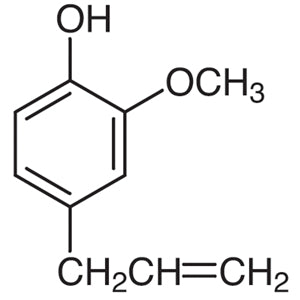
Eugenol TCI A0232
Regular price From Rp 557.550,00Regular priceRp 405.300,00Sale price From Rp 557.550,00 -
2,2-Bis(4-hydroxyphenyl)propane TCI B0494
Regular price From Rp 477.750,00Regular priceRp 333.900,00Sale price From Rp 477.750,00 -
Geraniol TCI G0027
Regular price Rp 452.550,00Regular priceRp 316.050,00Sale price Rp 452.550,00 -
2,6-Di-tert-butyl-p-cresol TCI D0228
Regular price From Rp 530.250,00Regular priceRp 386.400,00Sale price From Rp 530.250,00 -
N-(4-Methoxybenzylidene)-4-hydroxyaniline TCI M0605
Regular price Rp 1.776.600,00Regular priceRp 1.257.900,00Sale price Rp 1.776.600,00 -
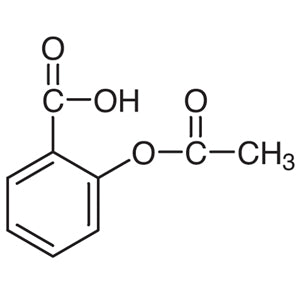
AcetylsalicylicAcid TCI A2262
Regular price From Rp 530.250,00Regular priceRp 386.400,00Sale price From Rp 530.250,00 -
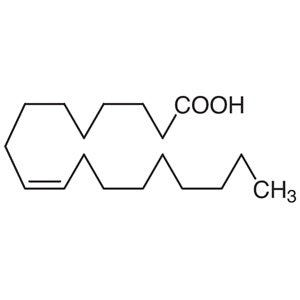
OleicAcid TCI O0180
Regular price From Rp 1.618.050,00Regular priceRp 1.130.850,00Sale price From Rp 1.618.050,00