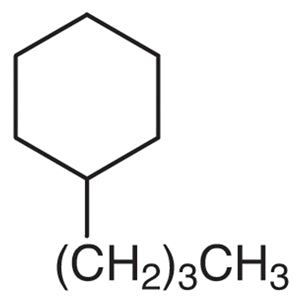
Butylcyclohexane is a chemical compound widely used in laboratory settings for its versatility and stability. It serves as a building block in organic synthesis and is often employed as a solvent in various chemical reactions. This compound is particularly valuable in experiments where non-reactive and stable materials are required. Its molecular structure consists of a cyclohexane ring with a butyl group attached, making it a key component in the development of more complex chemical structures. Due to its inert nature, it is preferred in environments where chemical stability is crucial.
One of the main reasons for its popularity is its non-polar and volatile characteristics. These properties make it ideal for use in reactions that require a non-polar solvent. Additionally, butylcyclohexane is relatively non-toxic and easy to handle, which contributes to its widespread use in laboratory applications. Its stability ensures that it does not degrade easily under normal laboratory conditions, making it a reliable choice for both research and educational purposes.
In Indonesian laboratories, butylcyclohexane is commonly used in chemical research, especially in organic synthesis and analytical chemistry. It is also frequently found in educational experiments conducted at universities and high schools. Its reliability and safety profile make it a preferred material for both academic and industrial applications. The compound’s consistent performance across various experimental conditions further supports its use in diverse laboratory settings.
Related TCI products
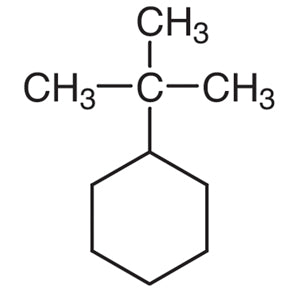
- TCI B0823 3178-22-1 tert-Butylcyclohexane
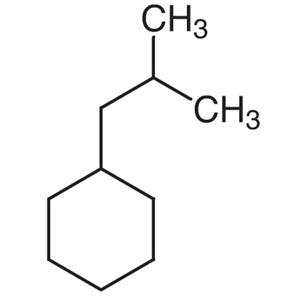
- TCI I0259 1678-98-4 Isobutylcyclohexane
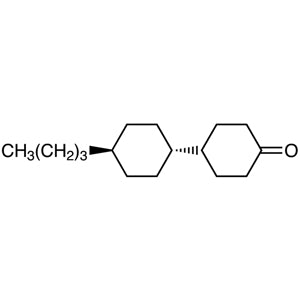
- TCI B4946 92413-47-3 4-(trans-4-Butylcyclohexyl)cyclohexanone
- TCI B4014 37942-69-1 4-Butylcyclohexylamine (cis- and trans- mixture)
- TCI B4004 25834-93-9 4-sec-Butylcyclohexylamine (cis- and trans- mixture)
- TCI B3371 14765-30-1 2-sec-Butylcyclohexanone (mixture of isomers)
- Organic synthesis experiments benefit from butylcyclohexane due to its non-reactive nature and stability, making it ideal for complex molecule construction.
- As a non-polar solvent, it is well-suited for reactions requiring a hydrocarbon-based medium, enhancing solubility of non-polar compounds.
- In analytical chemistry, it serves as a reference standard for chromatographic analysis due to its consistent physical properties and purity.
- Educational institutions use it in teaching laboratories to demonstrate chemical structures and reaction mechanisms in a safe and controlled environment.
- Industrial research labs rely on it for its reliability in long-term storage and consistent performance in multiple chemical processes.
| Brand | TCI |
|---|---|
| CAS number | 1678-93-9 |
| Molecular formula | — |
| Purity | — |
| Category | Chemistry > Building Blocks > Non-Heterocyclic Building Blocks |
| Pack sizes | Available in standard laboratory quantities as per supplier specifications |
| Physical form | Liquid |
| Storage | Store in a cool, dark place away from heat and direct sunlight |
Butylcyclohexane should be stored in a cool, dark location, away from heat and direct sunlight to maintain its stability. It is recommended to use airtight containers made of glass or stainless steel to prevent contamination and evaporation. Due to its volatile nature, it should be handled in a well-ventilated area to minimize exposure. While it is relatively non-toxic, standard laboratory safety protocols should still be followed, including the use of personal protective equipment. The compound is stable under normal storage conditions and does not require special handling beyond standard chemical storage practices. Its inert properties make it safe for use in most laboratory environments when handled properly.
—
Produk Terkait
-
tert-Butylcyclohexane TCI B0823
Regular price From Rp 1.908.900,00Regular price -
Isobutylcyclohexane TCI I0259
Regular price Rp 2.016.000,00Regular price -
4-(trans-4-Butylcyclohexyl)cyclohexanone TCI B4946
Regular price From Rp 689.850,00Regular price -
4-Butylcyclohexylamine(cis-andtrans-mixture) TCI B4014
Regular price From Rp 3.392.550,00Regular price -
4-sec-Butylcyclohexylamine(cis-andtrans-mixture) TCI B4004
Regular price Rp 3.232.950,00Regular price -
2-sec-Butylcyclohexanone(mixtureofisomers) TCI B3371
Regular price Rp 1.060.500,00Regular price -
trans-4-tert-ButylcyclohexanecarboxylicAcid TCI B3037
Regular price From Rp 1.724.100,00Regular price -
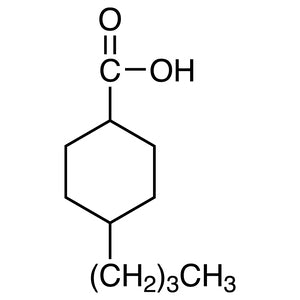
4-ButylcyclohexanecarboxylicAcid(cis-andtrans-mixture) TCI B2986
Regular price From Rp 4.213.650,00Regular price