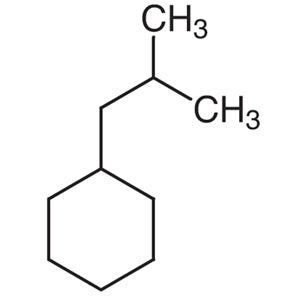
Isobutylcyclohexane is a chemical compound widely used in laboratory settings, particularly in the synthesis of complex molecules and organic chemical reactions. It serves as a building block in various synthetic pathways due to its structural versatility and chemical stability. This compound is derived from a cyclohexane ring with an isobutyl group attached, making it a valuable component in organic chemistry research. Its unique molecular structure allows it to participate in a range of chemical transformations, making it a reliable reagent for laboratory applications.
The compound is known for its chemical stability and non-reactive nature, which makes it ideal for use in reactions requiring controlled environments. Its non-polar characteristics allow it to function effectively as a solvent in many organic reactions. Additionally, its relatively high boiling point ensures that it remains stable under elevated temperatures, which is beneficial for processes that require heat. These properties make Isobutylcyclohexane a preferred choice for researchers working on complex chemical syntheses.
In Indonesian laboratories, Isobutylcyclohexane is commonly used by researchers and educational institutions for the development of new compounds and the advancement of organic chemistry. Its stability and non-toxic nature make it a safe and effective material for use in both academic and industrial research settings. It plays a crucial role in the synthesis of various chemical products and is an essential component in many laboratory protocols.
Related TCI products
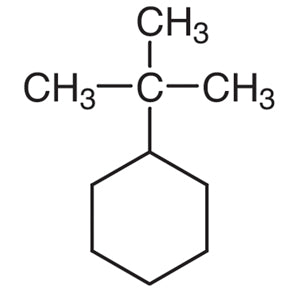
- TCI B0823 3178-22-1 tert-Butylcyclohexane
- TCI B0822 1678-93-9 Butylcyclohexane
- TCI B3037 943-29-3 trans-4-tert-Butylcyclohexanecarboxylic Acid
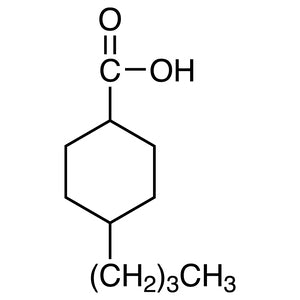
- TCI B2986 71101-89-8 4-Butylcyclohexanecarboxylic Acid (cis- and trans- mixture)
- TCI B2631 943-28-2 cis-4-tert-Butylcyclohexanecarboxylic Acid
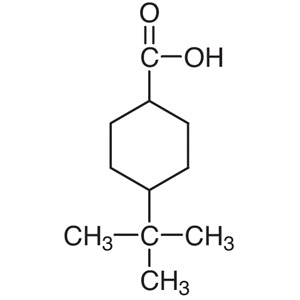
- TCI B1285 5451-55-8 4-tert-Butylcyclohexanecarboxylic Acid (cis- and trans- mixture)
- Organic synthesis reactions benefit from Isobutylcyclohexane due to its non-polar nature and stability, making it ideal for use as a solvent in complex chemical transformations.
- It is frequently used in the preparation of intermediate compounds where controlled reactivity and solubility are required, supporting the development of new chemical structures.
- In research involving high-temperature processes, its high boiling point ensures it remains stable and functional under thermal stress, enhancing reaction efficiency.
- As a building block, it supports the creation of more complex molecules, enabling researchers to explore new synthetic pathways and chemical properties.
- Its non-toxic and stable characteristics make it a preferred choice for use in educational laboratories, where safety and reliability are essential for student experiments.
| Brand | TCI |
|---|---|
| CAS number | 1678-98-4 |
| Molecular formula | — |
| Purity | — |
| Category | Chemistry > Building Blocks > Non-Heterocyclic Building Blocks |
| Pack sizes | Available in various quantities as per supplier specifications |
| Physical form | Liquid |
| Storage | Store in a cool, dry place away from direct sunlight and incompatible materials |
Isobutylcyclohexane should be stored in a cool, dry environment to maintain its chemical stability. It is recommended to use sealed containers made of materials compatible with organic solvents, such as glass or high-density polyethylene. The compound should be kept away from heat sources and incompatible substances to prevent degradation or unwanted reactions. Proper ventilation is essential when handling this material to ensure safe laboratory practices. Due to its non-polar nature, it is important to use appropriate personal protective equipment, including gloves and safety goggles, to minimize exposure. Regular monitoring of storage conditions ensures the compound remains in optimal condition for use in laboratory applications.
—
Produk Terkait
-
tert-Butylcyclohexane TCI B0823
Regular price From Rp 1.908.900,00Regular price -
Butylcyclohexane TCI B0822
Regular price From Rp 1.405.950,00Regular price -
trans-4-tert-ButylcyclohexanecarboxylicAcid TCI B3037
Regular price From Rp 1.724.100,00Regular price -
4-ButylcyclohexanecarboxylicAcid(cis-andtrans-mixture) TCI B2986
Regular price From Rp 4.213.650,00Regular price -
cis-4-tert-ButylcyclohexanecarboxylicAcid TCI B2631
Regular price From Rp 3.287.550,00Regular price -
4-tert-ButylcyclohexanecarboxylicAcid(cis-andtrans-mixture) TCI B1285
Regular price From Rp 2.041.200,00Regular price -
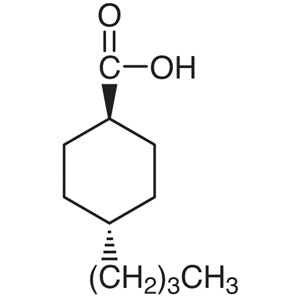
trans-4-ButylcyclohexanecarboxylicAcid TCI B1136
Regular price From Rp 477.750,00Regular price -
4-tert-ButylcyclohexylAcetate(cis-andtrans-mixture) TCI A0723
Regular price From Rp 505.050,00Regular price