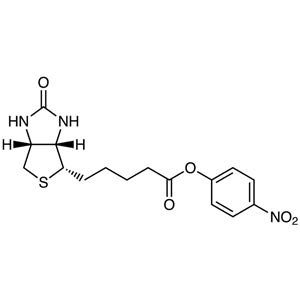
6-Biotinamidohexanoic Acid (BHA) is a chemical compound widely used in bioconjugation applications within laboratory settings. It serves as a crucial linker between biotin and target molecules, enabling the specific attachment of biotin to various substances such as proteins, nucleic acids, and lipids. This compound plays a vital role in biochemical and molecular biology research by facilitating the creation of highly specific and efficient biotin-avidin systems. Its ability to form stable conjugates makes it an essential tool for researchers working on complex molecular interactions.
The properties of BHA that make it a preferred choice include its stable chemical structure and favorable reactivity, which allow for selective and effective chemical reactions. Additionally, BHA exhibits amphiprotic characteristics, enabling it to interact with different types of molecules under varying pH conditions. This versatility makes it suitable for a wide range of experimental setups. Its chemical stability and reactivity ensure consistent results, making it a reliable reagent for laboratory applications.
In Indonesian laboratories, BHA is extensively used in biochemical, biomedical, and molecular biology research. It is particularly relevant for studies requiring the specific binding of biotin to target molecules. Applications include the development of biochemical sensors, diagnostic testing, and biological therapy research. Its adaptability and effectiveness make it a valuable component in many scientific investigations.
TCI brochures (PDF)
- Europium Fluorescent Labeling Reagent and Labeled Probes 2025-01-30 · p. 4
- Streptavidins and Related Reagents 2025-02-28 · p. 3
- Biotinylation Reagents and Avidins 2025-06-26 · p. 1
- Bioconjugation Reagents 2026-07-07 · p. 2
- Reagents for Biological Research 2025-03-11 · p. 15
Related TCI products
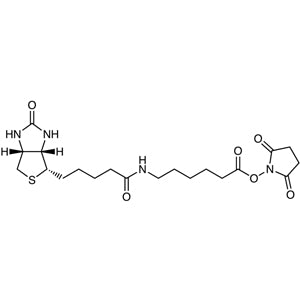
- TCI S0490 72040-63-2 N-Succinimidyl 6-Biotinamidohexanoate
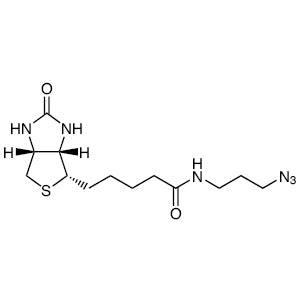
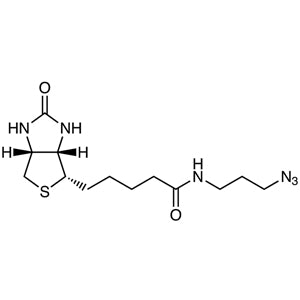
- TCI A3420 908007-17-0 N-(3-Azidopropyl)biotinamide (2mg*5)
- TCI A2524 908007-17-0 N-(3-Azidopropyl)biotinamide
- TCI S0956 89889-52-1 N-Succinimidyl N-[6-(Biotinamido)hexanoyl]-6-aminohexanoate
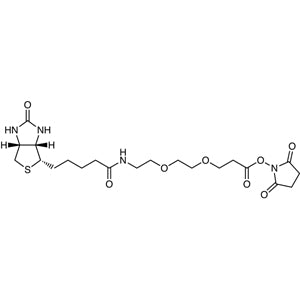
- TCI S0955 596820-83-6 N-Succinimidyl 9-(Biotinamido)-4,7-dioxanonanoate
- TCI P2471 112247-65-1 N-[2-(2-Pyridyldithio)ethyl]biotinamide
- Bioconjugation Research - BHA is ideal for creating biotin-ligand conjugates due to its stable structure and reactive groups, enabling efficient and selective molecular binding.
- Diagnostic Testing - BHA supports the development of sensitive assays by allowing precise attachment of biotin to biomarkers, enhancing detection accuracy.
- Molecular Biology Studies - It is used in labeling proteins and nucleic acids for tracking and analysis, offering high specificity and reliability in experimental results.
- Sensor Development - BHA facilitates the creation of biochemical sensors by enabling the attachment of biotin to sensor surfaces, improving sensitivity and response time.
- Therapeutic Research - It aids in the design of targeted drug delivery systems by conjugating biotin to therapeutic agents, enhancing their specificity and efficacy.
| Brand | TCI |
|---|---|
| CAS number | 72040-64-3 |
| Molecular formula | — |
| Purity | — |
| Category | Chemistry > Chemical Biology > Bioconjugation |
| Pack sizes | Available in various quantities as per standard laboratory supply |
| Physical form | Solid powder |
| Storage | Store in a cool, dry place away from light and moisture |
BHA should be stored in a cool, dry place, away from direct light and moisture to maintain its chemical stability. It is recommended to use airtight containers to prevent exposure to humidity and contaminants. Due to its chemical nature, it should be handled with appropriate personal protective equipment, such as gloves and safety goggles, to ensure laboratory safety. Avoid contact with incompatible substances and ensure proper ventilation when working with the compound. Regular monitoring of storage conditions is advised to maintain the integrity of the material for optimal performance in experimental applications.
—
Produk Terkait
-
N-Succinimidyl6-Biotinamidohexanoate TCI S0490
Regular price From Rp 1.431.150,00Regular priceRp 1.016.400,00Sale price From Rp 1.431.150,00 -
N-(3-Azidopropyl)biotinamide(2mg*5) TCI A3420
Regular price Rp 4.636.800,00Regular priceRp 3.258.150,00Sale price Rp 4.636.800,00 -
N-(3-Azidopropyl)biotinamide TCI A2524
Regular price Rp 10.069.500,00Regular priceRp 7.057.050,00Sale price Rp 10.069.500,00 -
N-SuccinimidylN-[6-(Biotinamido)hexanoyl]-6-aminohexanoate TCI S0956
Regular price From Rp 3.815.700,00Regular priceRp 2.683.800,00Sale price From Rp 3.815.700,00 -
N-Succinimidyl9-(Biotinamido)-4,7-dioxanonanoate TCI S0955
Regular price From Rp 3.419.850,00Regular priceRp 2.406.600,00Sale price From Rp 3.419.850,00 -
N-[2-(2-Pyridyldithio)ethyl]biotinamide TCI P2471
Regular price From Rp 1.458.450,00Regular priceRp 1.035.300,00Sale price From Rp 1.458.450,00 -
StreptavidinR-PEConjugate TCI T3885
Regular price Rp 2.942.100,00Regular priceRp 2.072.700,00Sale price Rp 2.942.100,00 -
(+)-Biotin4-NitrophenylEster TCI B4009
Regular price Rp 1.510.950,00Regular priceRp 1.072.050,00Sale price Rp 1.510.950,00