1-Butyl-2,3-dimethylimidazolium Chloride is a versatile ionic liquid widely utilized in chemical research and laboratory applications. As a member of the imidazolium-based ionic liquids, it plays a crucial role in various synthetic processes, particularly in organic chemistry. This compound is commonly used as a solvent or reaction medium in laboratory settings, offering unique advantages over traditional solvents. Its non-volatile nature and high thermal stability make it ideal for experiments requiring long reaction times or elevated temperatures. Due to its chemical inertness and low reactivity, it is a preferred choice for researchers aiming to maintain controlled reaction environments.
The properties of 1-Butyl-2,3-dimethylimidazolium Chloride make it a preferred choice in modern chemical research. It exhibits excellent solvating ability, allowing it to dissolve a wide range of organic compounds. Its non-flammable and non-toxic characteristics enhance safety in laboratory environments, reducing the risk of hazardous incidents. Additionally, its ability to remain anhydrous makes it suitable for reactions that require dry conditions. These attributes contribute to its growing popularity in both academic and industrial research settings, where stability and reliability are paramount.
In Indonesian laboratories, this ionic liquid is extensively used in the synthesis of new compounds, catalytic reactions, and the development of sustainable chemical materials. Its role in green chemistry initiatives is particularly notable, as it supports the reduction of volatile organic compound emissions. Researchers in Indonesia rely on this material for its consistent performance and compatibility with various chemical processes, making it an essential component in modern chemical laboratories.
TCI brochures (PDF)
- Ionic Liquids 2026-06-08 · p. 7
Related TCI products
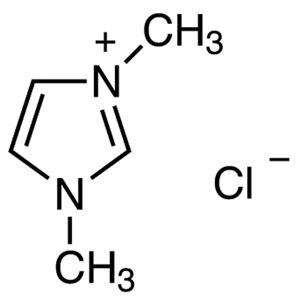
- TCI D3341 79917-88-7 1,3-Dimethylimidazolium Chloride
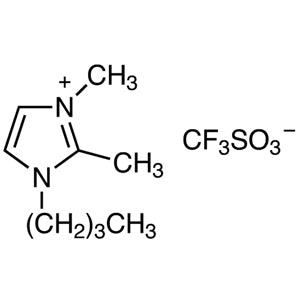
- TCI B4182 765910-73-4 1-Butyl-2,3-dimethylimidazolium Trifluoromethanesulfonate
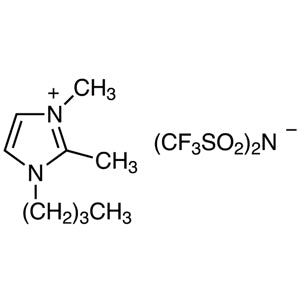
- TCI B3159 350493-08-2 1-Butyl-2,3-dimethylimidazolium Bis(trifluoromethanesulfonyl)imide
- TCI B2475 402846-78-0 1-Butyl-2,3-dimethylimidazolium Tetrafluoroborate
- TCI B2474 227617-70-1 1-Butyl-2,3-dimethylimidazolium Hexafluorophosphate
- TCI H1286 288627-94-1 1-Hexyl-2,3-dimethylimidazolium Iodide
- Organic synthesis reactions benefit from this ionic liquid due to its non-volatile nature and ability to dissolve a wide range of organic compounds.
- Catalytic processes often utilize this material as a reaction medium because of its thermal stability and chemical inertness.
- Green chemistry applications rely on this compound as an environmentally friendly alternative to traditional solvents.
- Analytical chemistry procedures use this ionic liquid for its solvating properties and compatibility with various analytical techniques.
- Material science research employs this substance for its role in the development of new polymers and functional materials.
| Brand | TCI |
|---|---|
| CAS number | 98892-75-2 |
| Molecular formula | — |
| Purity | — |
| Category | Chemistry > Specialty Synthesis > Ionic Liquids |
| Pack sizes | Available in various quantities as per supplier specifications |
| Physical form | Liquid |
| Storage | Store in a cool, dry place away from direct sunlight |
This ionic liquid should be stored in a cool, dry location, away from direct sunlight and sources of heat. It is recommended to use sealed, airtight containers to prevent contamination and maintain its chemical integrity. Due to its non-volatile nature, it does not require refrigeration but should be protected from moisture and air exposure. In laboratory settings, it is essential to handle this material with appropriate personal protective equipment, such as gloves and safety goggles, to ensure safe usage. Regular inspection of storage containers is advised to maintain optimal conditions and prevent any potential degradation of the compound.
—
Produk Terkait
-
1,3-DimethylimidazoliumChloride TCI D3341
Regular price From Rp 4.716.600,00Regular priceRp 3.313.800,00Sale price From Rp 4.716.600,00 -
1-Butyl-2,3-dimethylimidazoliumTrifluoromethanesulfonate TCI B4182
Regular price Rp 2.597.700,00Regular priceRp 1.832.250,00Sale price Rp 2.597.700,00 -
1-Butyl-2,3-dimethylimidazoliumBis(trifluoromethanesulfonyl)imide TCI B3159
Regular price From Rp 1.431.150,00Regular priceRp 1.016.400,00Sale price From Rp 1.431.150,00 -
1-Butyl-2,3-dimethylimidazoliumTetrafluoroborate TCI B2475
Regular price From Rp 2.677.500,00Regular priceRp 1.887.900,00Sale price From Rp 2.677.500,00 -
1-Butyl-2,3-dimethylimidazoliumHexafluorophosphate TCI B2474
Regular price From Rp 1.538.250,00Regular priceRp 1.090.950,00Sale price From Rp 1.538.250,00 -
1-Hexyl-2,3-dimethylimidazoliumIodide TCI H1286
Regular price Rp 2.093.700,00Regular priceRp 1.479.450,00Sale price Rp 2.093.700,00 -
1-Ethyl-2,3-dimethylimidazoliumBis(trifluoromethanesulfonyl)imide TCI E0753
Regular price Rp 1.776.600,00Regular priceRp 1.257.900,00Sale price Rp 1.776.600,00 -
1,3-DimethylimidazoliumBis(trifluoromethanesulfonyl)imide TCI D5349
Regular price From Rp 2.809.800,00Regular priceRp 1.980.300,00Sale price From Rp 2.809.800,00