4-(trans-4-Butylcyclohexyl)phenol is an organic compound widely used in scientific research, particularly in the development of materials with specific properties such as molecular orientation or environmental responsiveness. This compound is a key component in the field of liquid crystal (LC) building blocks, which are essential for creating advanced materials with unique physical and chemical characteristics. In laboratory settings, it serves as a foundational material for synthesizing complex compounds with precisely controllable molecular structures. Its role is critical in the design of materials that exhibit specific behaviors under varying conditions, making it a valuable tool for researchers working in materials science.
The compound’s complex molecular structure and ability to form stable molecular interactions make it a preferred choice for researchers seeking precise control over molecular alignment and intermolecular interactions. These properties are particularly important in applications that require the material to respond predictably to external stimuli, such as temperature or electric fields. The stability of 4-(trans-4-Butylcyclohexyl)phenol under controlled laboratory conditions further enhances its utility, allowing for consistent and reliable experimental outcomes. Its chemical stability ensures that it remains effective throughout the research process without degrading or losing its functional properties.
In Indonesian laboratories, this compound is commonly used in material science research, especially in the development of materials with unique properties such as environmental responsiveness. It is a key ingredient in the synthesis of advanced materials used in display technologies, sensors, and composite materials. Its application supports innovation in various scientific fields, contributing to the growth of research and development in Indonesia’s scientific community.
Related TCI products
- TCI A1827 82575-69-7 4-(trans-4-Amylcyclohexyl)phenol
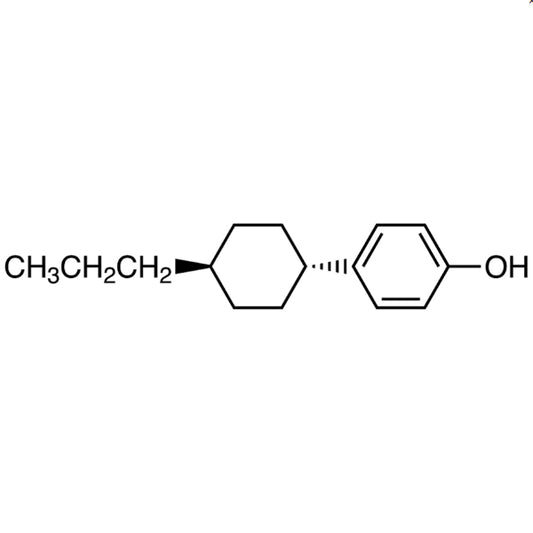
- TCI P1616 81936-33-6 4-(trans-4-Propylcyclohexyl)phenol
- TCI E1252 89100-78-7 4-(trans-4-Ethylcyclohexyl)phenol
- TCI B5318 83626-35-1 4-(trans-4-Butylcyclohexyl)benzoic Acid
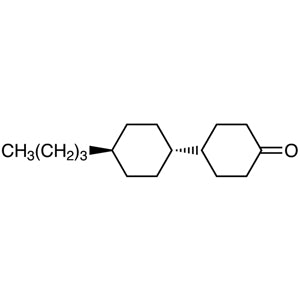
- TCI B4946 92413-47-3 4-(trans-4-Butylcyclohexyl)cyclohexanone
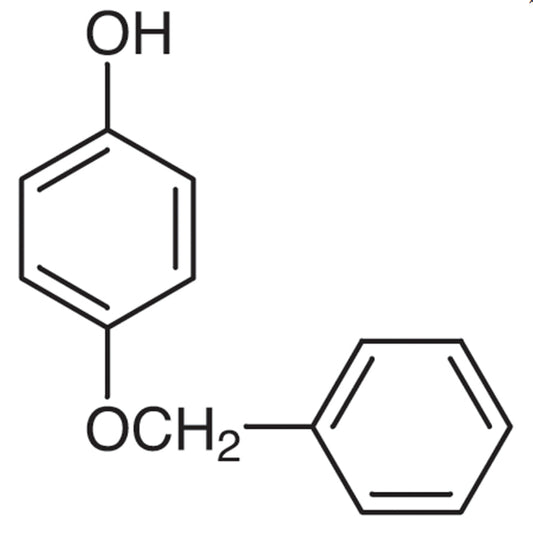
- TCI B1104 103-16-2 4-(Benzyloxy)phenol
- Liquid Crystal Material Development: This compound is ideal for creating liquid crystal materials due to its molecular structure that allows for precise orientation and interaction, essential for advanced display technologies.
- Sensor Fabrication: Its responsiveness to environmental changes makes it suitable for sensor development, enabling the detection of subtle changes in temperature or chemical composition.
- Composite Material Synthesis: The compound's ability to form stable molecular interactions supports the creation of composite materials with enhanced mechanical and thermal properties.
- Molecular Alignment Studies: Its complex structure allows researchers to study molecular orientation and intermolecular forces, providing insights into material behavior under various conditions.
- Environmental Responsive Material Research: The compound's sensitivity to external stimuli makes it a valuable tool for developing materials that respond dynamically to their surroundings.
| Brand | TCI |
|---|---|
| CAS number | 88581-00-4 |
| Molecular formula | — |
| Purity | — |
| Category | Materials Science > Material Building Blocks > Liquid Crystal (LC) Building Blocks |
| Pack sizes | — |
| Physical form | — |
| Storage | Store in a cool, dry place away from light and moisture |
This compound should be stored in a cool, dry environment, away from direct light and moisture to maintain its chemical stability. It is recommended to use airtight containers to prevent exposure to air and contaminants. In laboratory settings, proper personal protective equipment (PPE) such as gloves and safety goggles should be worn when handling the material to ensure safety. The compound should be kept in a well-ventilated area to minimize inhalation risks. Regular monitoring of storage conditions is advised to ensure the material remains in optimal condition for use. Proper labeling of containers is essential to prevent accidental exposure and ensure safe handling practices.
—
Produk Terkait
-
4-(trans-4-Amylcyclohexyl)phenol TCI A1827
Regular price Rp 1.087.800,00Regular priceRp 775.950,00Sale price Rp 1.087.800,00 -
4-(trans-4-Propylcyclohexyl)phenol TCI P1616
Regular price From Rp 1.033.200,00Regular priceRp 738.150,00Sale price From Rp 1.033.200,00 -
4-(trans-4-Ethylcyclohexyl)phenol TCI E1252
Regular price Rp 2.013.900,00Regular priceRp 1.423.800,00Sale price Rp 2.013.900,00 -
4-(trans-4-Butylcyclohexyl)benzoicAcid TCI B5318
Regular price Rp 1.298.850,00Regular priceRp 924.000,00Sale price Rp 1.298.850,00 -
4-(trans-4-Butylcyclohexyl)cyclohexanone TCI B4946
Regular price From Rp 742.350,00Regular priceRp 534.450,00Sale price From Rp 742.350,00 -
4-(Benzyloxy)phenol TCI B1104
Regular price From Rp 1.801.800,00Regular priceRp 1.275.750,00Sale price From Rp 1.801.800,00 -
4-(trans-4-Butylcyclohexyl)benzonitrile TCI B4924
Regular price From Rp 848.400,00Regular priceRp 609.000,00Sale price From Rp 848.400,00 -
4-tert-ButylcyclohexylAcetate(cis-andtrans-mixture) TCI A0723
Regular price From Rp 505.050,00Regular priceRp 352.800,00Sale price From Rp 505.050,00