4-(trans-4-Propylcyclohexyl)phenol is a chemical compound widely used in scientific research, particularly in the development of materials with unique properties such as molecular order or environmental responsiveness. As a key component in the field of liquid crystal (LC) building blocks, it plays a crucial role in the synthesis of advanced materials with tailored optical, electronic, or mechanical characteristics. This compound is favored for its ability to form complex molecular structures that can be precisely manipulated to achieve desired material behaviors. Its significance lies in its versatility and adaptability, making it an essential tool for researchers aiming to innovate in material science.
The compound's molecular structure enables specific interactions with its environment, allowing for the precise tuning of physical and chemical properties. This makes it a preferred choice for applications requiring controlled molecular alignment or responsive behavior. Its stability under certain conditions further enhances its usability in a variety of experimental setups. The compound’s ability to be modified and integrated into different material systems contributes to its widespread use in both academic and industrial research settings.
In Indonesian laboratories, 4-(trans-4-Propylcyclohexyl)phenol is commonly used in material development projects, especially those involving liquid crystals. Its role is critical in creating materials with specific optical or electronic properties, which are essential for advanced technological applications. Researchers in Indonesia rely on this compound to explore new material formulations and to meet the growing demand for innovative materials in various scientific fields.
- Liquid Crystal Research – This compound is ideal for developing liquid crystal materials due to its ability to form ordered molecular structures, which are essential for creating materials with unique optical and electronic properties.
- Material Formulation – It is used in the formulation of specialized materials requiring precise molecular alignment, enabling the creation of materials with tailored mechanical and thermal characteristics.
- Optical Device Development – The compound's responsiveness to environmental stimuli makes it suitable for applications in optical devices, where controlled molecular behavior is required.
- Electronic Material Synthesis – Its structural adaptability allows it to be integrated into electronic materials, supporting the development of advanced conductive or semiconductive compounds.
- Research in Molecular Engineering – It is a key component in studies focused on molecular interactions and the design of materials with specific functional properties.
| Brand | — |
|---|---|
| CAS number | — |
| Molecular formula | — |
| Purity | — |
| Category | — |
| Pack sizes | — |
| Physical form | — |
| Storage | — |
- Brand – TCI
- CAS Number – 81936-33-6
- Category – Materials Science > Material Building Blocks > Liquid Crystal (LC) Building Blocks
- Pack Sizes – Available in standard laboratory quantities
- Physical Form – Liquid
- Storage Note – Store in a cool, dry place away from direct sunlight
This compound should be stored in a cool, dry environment, away from direct sunlight and sources of heat. It is recommended to use airtight containers to prevent contamination and maintain its chemical integrity. Due to its chemical nature, it should be handled with appropriate personal protective equipment, such as gloves and safety goggles, to ensure laboratory safety. Proper ventilation is essential when working with this material to minimize exposure. It is important to keep the compound in a secure location to prevent accidental spills or contamination. Regular inspection of storage conditions is advised to maintain optimal performance and safety in the laboratory setting.
—
Produk Terkait
-
TCI B5774 5,10-Bis(4,4,5,5-tetramethyl-1,3,2-dioxaborolan-2-yl)naphtho[1,2-c:5,6-c']bis([1,2,5]oxadiazole)
Regular price Rp 10.255.350,00Regular price -
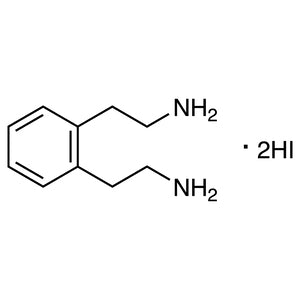
Dihydroiodide TCI B6569
Regular price From Rp 1.936.200,00Regular price -
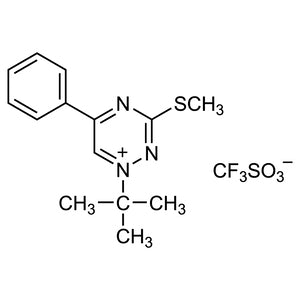
Trifluoromethanesulfonate TCI B7003
Regular price From Rp 1.936.200,00Regular price
![5,10-Bis(4,4,5,5-tetramethyl-1,3,2-dioxaborolan-2-yl)naphtho[1,2-c:5,6-c']bis([1,2,5]oxadiazole) - TCI B5774 - AMI Scientific](http://amiscientific.com/cdn/shop/files/TCI2510B5774.jpg?v=1769180228&width=533)