Betulinic Acid, with CAS number 472-15-1, is a naturally occurring chemical compound derived from various plant sources, such as specific woods and leaves. It plays a crucial role in life science laboratories, particularly in biochemical and pharmaceutical research. This compound is widely used for its diverse biological activities, making it an essential reagent for experimental studies. Its presence in research settings supports the development of new therapeutic agents and the investigation of complex biological mechanisms.
The unique properties of Betulinic Acid make it a preferred choice for researchers. It exhibits significant antioxidant, anti-inflammatory, and anti-cancerous activities, which are highly valuable in drug discovery and toxicological studies. Its chemical structure allows it to interact with multiple biological pathways, enhancing its versatility in experimental applications. Additionally, Betulinic Acid is stable under certain conditions and dissolves well in organic solvents, facilitating its use in various laboratory procedures.
In Indonesian laboratories, Betulinic Acid is commonly used in scientific research across universities and research institutions. Its availability in pure form and practical packaging simplifies its integration into experimental workflows. The compound's safety profile and non-toxic nature further support its widespread use in both academic and industrial research settings. Its role in advancing biomedical research makes it a key component in the scientific toolkit of Indonesian researchers.
TCI brochures (PDF)
- Traditional Medicine/Crude Medicine Research Reagents 2024-09-11 · p. 1
- Terpenes 2025-09-22 · p. 9
- Plant Research Reagents 2026-02-24 · p. 8
- Phytochemicals 2025-12-17 · p. 6
- Reagents for Biological Research 2025-03-11 · p. 39
- Drug development research utilizes Betulinic Acid to explore its potential as a therapeutic agent due to its anti-cancer and anti-inflammatory properties.
- Toxicological studies benefit from Betulinic Acid as it helps assess the safety and efficacy of new compounds in biological systems.
- Biochemical experiments often incorporate Betulinic Acid to investigate its interactions with cellular pathways and enzyme activity.
- Cancer research leverages Betulinic Acid for its ability to inhibit the growth of cancer cells, supporting the development of targeted therapies.
- Natural product analysis uses Betulinic Acid as a reference compound to study its chemical structure and biological activity in plant-derived materials.
| Brand | TCI |
|---|---|
| CAS number | 472-15-1 |
| Molecular formula | — |
| Purity | — |
| Category | Life Science > Biochemicals and Reagents > Crude Medicine Ingredients for Research and Experimental Use |
| Pack sizes | Available in various quantities suitable for research applications |
| Physical form | Solid powder |
| Storage | Store in a cool, dry place away from direct sunlight |
Betulinic Acid should be stored in a cool, dry environment to maintain its chemical stability and prevent degradation. It is recommended to keep the compound in a tightly sealed container to minimize exposure to moisture and air. Suitable storage containers include glass or high-density polyethylene vessels that are resistant to chemical reactions. Laboratory personnel should wear appropriate personal protective equipment when handling the compound to ensure safety. Proper labeling of storage containers is essential for easy identification and safe handling. Regular monitoring of storage conditions ensures the integrity of the compound remains intact for research use.
—
Product Categories
- Biochemicals and ReagentsCrude Medicine Ingredients for Research and Experimental Use
- Biochemicals and ReagentsTerpenesTriterpenes
- Cell BiologyCancer ResearchChemopreventive Agents [Cancer Research]
- Cell BiologyNutrition ResearchPhytochemicals
- Cell BiologyStem Cell BiologyRegenerative Medicine Research Reagents
- Molecular BiologyRegenerative Medicine Research Reagents
- Pharmaceutical Development and Drug Discovery ResearchCrude Medicine Ingredients for Research and Experimental Use
Produk Terkait
-
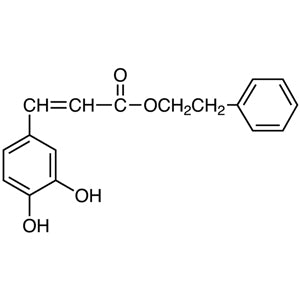
PhenethylCaffeate TCI P2088
Regular price From Rp 1.087.800,00Regular priceRp 775.950,00Sale price From Rp 1.087.800,00 -
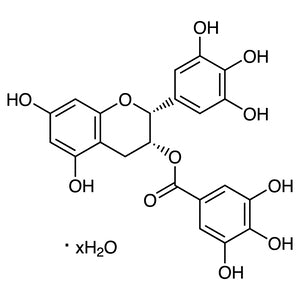
(-)-EpigallocatechinGallateHydrate TCI E0694
Regular price From Rp 2.173.500,00Regular priceRp 1.535.100,00Sale price From Rp 2.173.500,00 -
UrsolicAcid TCI U0065
Regular price From Rp 1.908.900,00Regular priceRp 1.350.300,00Sale price From Rp 1.908.900,00 -
OleanolicAcid TCI O0317
Regular price From Rp 1.618.050,00Regular priceRp 1.146.600,00Sale price From Rp 1.618.050,00 -
Limonin TCI L0258
Regular price From Rp 3.735.900,00Regular priceRp 2.628.150,00Sale price From Rp 3.735.900,00 -
Squalene TCI H0097
Regular price From Rp 505.050,00Regular priceRp 352.800,00Sale price From Rp 505.050,00 -
Paclitaxel(1mg*5) TCI P3207
Regular price Rp 1.988.700,00Regular priceRp 1.405.950,00Sale price Rp 1.988.700,00 -
Paclitaxel TCI P1632
Regular price Rp 10.281.600,00Regular priceRp 7.205.100,00Sale price Rp 10.281.600,00