4-(Bromomethyl)-2-quinolinone is a chemical compound widely used as a building block in the synthesis of complex heterocyclic compounds. This compound features a quinolinone ring system linked to a bromomethyl group, making it a versatile intermediate in organic chemistry. In laboratory settings, it plays a crucial role in the development of new molecules with potential pharmaceutical or biological activity. Its unique structure allows it to participate in various chemical reactions, making it an essential tool for synthetic chemists.
The compound is valued for its chemical stability and controlled reactivity, which make it suitable for a wide range of organic reactions. It exhibits the ability to undergo nucleophilic and electrophilic substitution reactions, which are fundamental in the synthesis of bioactive compounds. Its molecular complexity also opens up opportunities for the creation of molecules with antioxidant or anti-inflammatory properties. These characteristics make it a preferred choice for researchers working in the fields of organic chemistry and pharmacology.
In Indonesian laboratories, 4-(Bromomethyl)-2-quinolinone is commonly used in scientific research, particularly in pure chemistry and pharmaceutical studies. Many universities and research institutions rely on this compound for experiments requiring the synthesis of complex organic molecules. Its versatility and reliability have made it a popular choice among scientists and researchers in Indonesia.
Related TCI products
- TCI D5773 4295-36-7 2,3-Dihydro-4(1H)-quinolinone
- TCI D3599 22246-18-0 3,4-Dihydro-7-hydroxy-2(1H)-quinolinone
- TCI D3448 54197-66-9 3,4-Dihydro-6-hydroxy-2(1H)-quinolinone
- TCI B6382 3017266-45-1 3-[4-(Bromomethyl)phenyl]-6-methyl-1,2,4,5-tetrazine
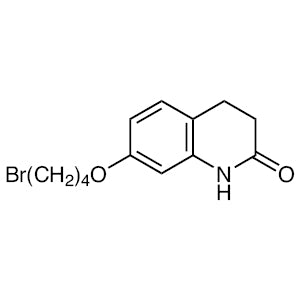
- TCI B3333 129722-34-5 7-(4-Bromobutoxy)-3,4-dihydro-2(1H)-quinolinone
- TCI B3147 1198-51-2 3-(Bromomethyl)-5-chlorobenzo[b]thiophene
- Used in the synthesis of bioactive heterocyclic compounds due to its reactive quinolinone core and bromomethyl functionality.
- Applied in pharmaceutical research for the development of drugs with antioxidant and anti-inflammatory properties.
- Utilized in organic chemistry experiments as a building block for creating complex molecular structures.
- Employed in academic research settings for teaching and experimental purposes in undergraduate and graduate courses.
- Integrated into drug discovery programs to explore new molecular scaffolds with potential therapeutic applications.
| Brand | TCI |
|---|---|
| CAS number | 4876-10-2 |
| Molecular formula | — |
| Purity | — |
| Category | Chemistry > Building Blocks > Heterocyclic Building Blocks |
| Pack sizes | Available in standard laboratory quantities |
| Physical form | Solid (exact form may vary depending on supplier) |
| Storage | Store in a cool, dry place away from light and moisture |
This compound should be stored in a cool, dry environment, away from direct sunlight and moisture. It is recommended to use airtight containers to prevent exposure to air and humidity. As a brominated compound, it may be sensitive to heat and light, so maintaining stable storage conditions is essential. Proper ventilation should be ensured when handling to minimize inhalation risks. Laboratory personnel should wear appropriate personal protective equipment, such as gloves and safety goggles, when working with this material. Regular monitoring of storage conditions ensures the compound remains chemically stable and safe for use in research applications.
—
Produk Terkait
-
2,3-Dihydro-4(1H)-quinolinone TCI D5773
Regular price From Rp 4.161.150,00Regular priceRp 2.925.300,00Sale price From Rp 4.161.150,00 -
3,4-Dihydro-7-hydroxy-2(1H)-quinolinone TCI D3599
Regular price From Rp 822.150,00Regular priceRp 590.100,00Sale price From Rp 822.150,00 -
3,4-Dihydro-6-hydroxy-2(1H)-quinolinone TCI D3448
Regular price From Rp 1.378.650,00Regular priceRp 979.650,00Sale price From Rp 1.378.650,00 -
3-[4-(Bromomethyl)phenyl]-6-methyl-1,2,4,5-tetrazine TCI B6382
Regular price From Rp 7.764.750,00Regular priceRp 5.445.300,00Sale price From Rp 7.764.750,00 -
7-(4-Bromobutoxy)-3,4-dihydro-2(1H)-quinolinone TCI B3333
Regular price From Rp 742.350,00Regular priceRp 534.450,00Sale price From Rp 742.350,00 -
3-(Bromomethyl)-5-chlorobenzo[b]thiophene TCI B3147
Regular price From Rp 822.150,00Regular priceRp 590.100,00Sale price From Rp 822.150,00 -
3-Quinolinol TCI Q0094
Regular price From Rp 1.220.100,00Regular priceRp 868.350,00Sale price From Rp 1.220.100,00 -
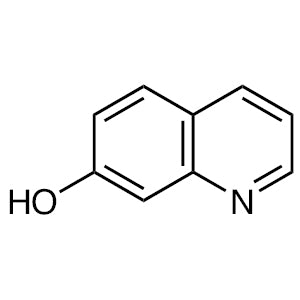
7-Quinolinol TCI Q0084
Regular price Rp 3.074.400,00Regular priceRp 2.165.100,00Sale price Rp 3.074.400,00