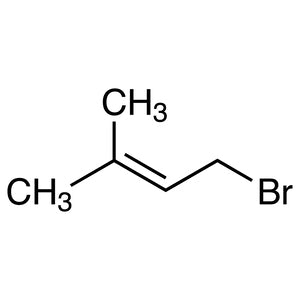
1,4-Bis(butyryloxy)-2-butene is a chemical compound widely used as a foundational building block in organic synthesis. This versatile reagent plays a crucial role in laboratories by enabling the construction of complex organic molecules through its reactive functional groups. Its unique molecular structure, featuring two butyryloxy groups attached to a central carbon atom, allows for multiple chemical transformations. As a key intermediate, it is particularly valuable in the development of heterocyclic compounds and polymers, offering researchers flexibility in designing new molecular structures.
The compound's chemical properties make it a preferred choice for synthetic chemists. It exhibits stability under controlled conditions, though it is highly sensitive to moisture and air exposure, requiring careful handling. The presence of butyryloxy groups imparts significant reactivity, facilitating substitution reactions and molecular coupling with various other compounds. This reactivity, combined with its structural versatility, makes it an essential reagent for advanced synthetic pathways. Its sensitivity also ensures that it is only used in environments where precise control over reaction conditions is achievable.
In Indonesian laboratories, 1,4-Bis(butyryloxy)-2-butene is commonly used in organic chemistry research. It is particularly favored in the development of new compounds with applications in pharmaceuticals, materials science, and chemical industries. Its role in the synthesis of functionalized molecules makes it a valuable tool for researchers aiming to innovate in these fields. The compound is often integrated into multi-step synthetic processes, contributing to the creation of complex structures with tailored properties.
Related TCI products
- TCI D1358 25260-60-0 cis-1,4-Diacetoxy-2-butene
- TCI T1436 4559-79-9 N,N,N',N'-Tetramethyl-2-butene-1,4-diamine
- TCI B3384 821-11-4 trans-2-Butene-1,4-diol
- TCI B1412 13294-71-8 2-Bromo-2-butene (stabilized with Copper chip)
- TCI B0920 5162-44-7 4-Bromo-1-butene
- TCI B0844 870-63-3 1-Bromo-3-methyl-2-butene (stabilized with Silver chip)
- Organic synthesis of heterocyclic compounds due to its reactivity and structural versatility.
- Development of new pharmaceutical compounds through functional group modifications.
- Polymer synthesis where controlled cross-linking and chain extension are required.
- Research in materials science for the creation of advanced polymers and coatings.
- Custom compound preparation for specialized industrial and academic applications.
| Brand | TCI |
|---|---|
| CAS number | 1572-84-5 |
| Molecular formula | — |
| Purity | — |
| Category | Chemistry > Building Blocks > Non-Heterocyclic Building Blocks |
| Pack sizes | Available in various quantities as per supplier specifications |
| Physical form | Liquid |
| Storage | Requires dry, cool, and light-protected storage |
This compound should be stored in a dry, cool, and well-ventilated area away from moisture and air exposure. It is recommended to use sealed containers made of inert materials such as glass or polyethylene to prevent contamination and degradation. Due to its sensitivity, it should be handled in a controlled environment with appropriate safety measures in place. Laboratory personnel should wear protective gloves and goggles when working with this material. Storage should be in a location that is inaccessible to unauthorized individuals to ensure safety and compliance with laboratory protocols.
—
Produk Terkait
-
cis-1,4-Diacetoxy-2-butene TCI D1358
Regular price From Rp 1.431.150,00Regular priceRp 1.000.650,00Sale price From Rp 1.431.150,00 -
N,N,N',N'-Tetramethyl-2-butene-1,4-diamine TCI T1436
Regular price Rp 3.710.700,00Regular priceRp 2.594.550,00Sale price Rp 3.710.700,00 -
trans-2-Butene-1,4-diol TCI B3384
Regular price From Rp 2.809.800,00Regular priceRp 1.980.300,00Sale price From Rp 2.809.800,00 -
2-Bromo-2-butene(stabilizedwithCopperchip) TCI B1412
Regular price From Rp 1.724.100,00Regular priceRp 1.205.400,00Sale price From Rp 1.724.100,00 -
4-Bromo-1-butene TCI B0920
Regular price From Rp 2.094.750,00Regular priceRp 1.464.750,00Sale price From Rp 2.094.750,00 -
1-Bromo-3-methyl-2-butene(stabilizedwithSilverchip) TCI B0844
Regular price From Rp 769.650,00Regular priceRp 537.600,00Sale price From Rp 769.650,00 -
Bromoform(stabilizedwith2-Methyl-2-butene)[forSpectrophotometry] TCI B0806
Regular price Rp 6.333.600,00Regular priceRp 4.428.900,00Sale price Rp 6.333.600,00 -
cis-2-Butene-1,4-diol TCI B0693
Regular price From Rp 769.650,00Regular priceRp 553.350,00Sale price From Rp 769.650,00