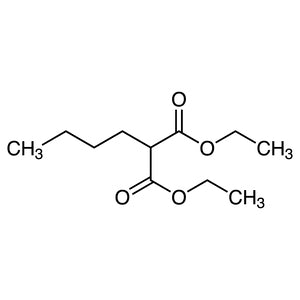
N-tert-Butylmaleimide is a chemical compound widely used as a building block in organic synthesis. It serves as a versatile reagent in laboratory settings, playing a crucial role in the formation of peptide bonds and covalent reactions. Its chemical structure allows it to participate in various synthetic pathways, making it an essential component for researchers working on complex molecule development. This compound is particularly valuable in creating functionalized molecules that find applications in pharmaceutical and biochemical research.
One of the key attributes of N-tert-Butylmaleimide is its solubility in common organic solvents such as ethyl acetate and acetone. This property facilitates easy mixing and reaction processes in the laboratory. Additionally, its relatively stable nature under normal conditions ensures that it remains effective for extended periods, simplifying storage and handling. The presence of the tert-butyl group also enhances its stability, reducing the likelihood of unwanted side reactions.
In Indonesian laboratories, N-tert-Butylmaleimide is frequently utilized in organic chemistry research, especially in the synthesis of bioactive compounds and drug development. Its reactivity and solubility make it a preferred choice for researchers aiming to create complex molecular structures with specific functional groups. Its role in peptide bond formation further solidifies its importance in biochemical studies.
- Organic synthesis is a primary application where N-tert-Butylmaleimide is used to create complex molecules by forming covalent bonds and peptide linkages.
- Bioactive compound development benefits from this compound due to its ability to participate in targeted chemical reactions that yield functionalized molecules.
- Peptide bond formation is a critical process in biochemical research, and this compound is ideal for facilitating such reactions in laboratory settings.
- Drug development relies on the reactivity of N-tert-Butylmaleimide to synthesize molecules with specific therapeutic properties.
- Material science applications utilize this compound for creating functionalized materials with enhanced chemical properties.
| Brand | TCI |
|---|---|
| CAS number | 4144-22-3 |
| Molecular formula | — |
| Purity | — |
| Category | Chemistry > Building Blocks > Non-Heterocyclic Building Blocks |
| Pack sizes | Available in various quantities as per supplier specifications |
| Physical form | Solid |
| Storage | Store in a cool, dry place away from direct sunlight |
N-tert-Butylmaleimide should be stored in a cool, dry environment to maintain its stability and prevent degradation. It is recommended to keep the compound in airtight containers to minimize exposure to moisture and air. Due to its chemical reactivity, it should be handled in a well-ventilated area, preferably with appropriate personal protective equipment. Avoid contact with incompatible substances such as strong acids or bases. Regular inspection of storage conditions ensures the compound remains suitable for use in laboratory applications. Proper labeling and safe storage practices are essential to maintain the integrity of the material and ensure safe handling in the laboratory.
—
Produk Terkait
-
N-Butylmaleimide TCI B6849
Regular price From Rp 2.439.150,00Regular priceRp 1.720.950,00Sale price From Rp 2.439.150,00 -
N-Phenylmaleimide TCI P0900
Regular price From Rp 557.550,00Regular priceRp 405.300,00Sale price From Rp 557.550,00 -
N-Methoxycarbonylmaleimide TCI M2333
Regular price From Rp 2.041.200,00Regular priceRp 1.442.700,00Sale price From Rp 2.041.200,00 -
N-Methylmaleimide TCI M0807
Regular price From Rp 2.677.500,00Regular priceRp 1.887.900,00Sale price From Rp 2.677.500,00 -
N-Cyclohexylmaleimide TCI C1044
Regular price From Rp 1.801.800,00Regular priceRp 1.275.750,00Sale price From Rp 1.801.800,00 -
ButylmalonicAcid TCI B4414
Regular price From Rp 1.326.150,00Regular priceRp 942.900,00Sale price From Rp 1.326.150,00 -
Diethylsec-Butylmalonate TCI B0384
Regular price Rp 2.068.500,00Regular priceRp 1.461.600,00Sale price Rp 2.068.500,00 -
DiethylButylmalonate TCI B0381
Regular price From Rp 582.750,00Regular priceRp 423.150,00Sale price From Rp 582.750,00