1,2-Bis(5-methyl-2-benzoxazolyl)ethylene is an organic compound widely utilized in chemical and pharmaceutical research. This compound is a key building block in the synthesis of various bioactive molecules, making it essential for laboratories engaged in drug development and molecular design. Its unique structural features, including the presence of benzoxazole rings, contribute to its versatility in chemical reactions and functional group modifications. In the laboratory, it plays a crucial role in the creation of complex molecules with potential therapeutic applications.
The compound's chemical properties, such as its stability under controlled conditions and reactivity with a range of reagents, make it a preferred choice for synthetic chemists. Its molecular structure allows for precise manipulation during synthesis, enabling the production of compounds with tailored biological activities. Additionally, its sensitivity to UV light and oxidation requires careful handling, which ensures its effectiveness in various experimental protocols. These characteristics make it a reliable material for both academic and industrial research settings.
In Indonesian laboratories, this compound is commonly used in organic chemistry, pharmacology, and materials science research. It supports the development of new compounds and the expansion of knowledge about chemical properties. Many research institutions and universities rely on this compound to advance their studies and contribute to scientific innovation in the region.
Related TCI products
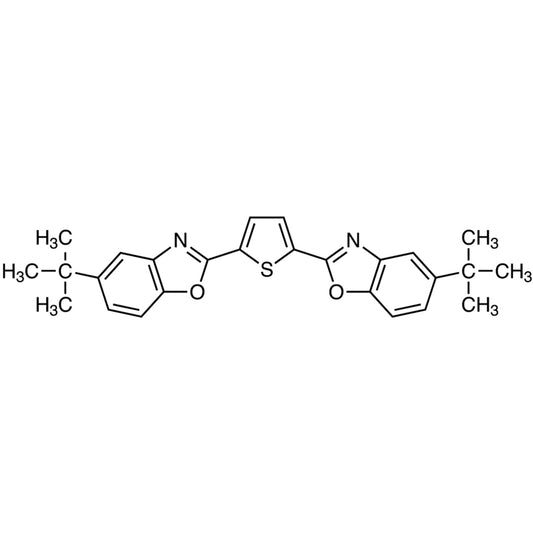
- TCI B4221 7128-64-5 2,5-Bis(5-tert-butyl-2-benzoxazolyl)thiophene (purified by sublimation)
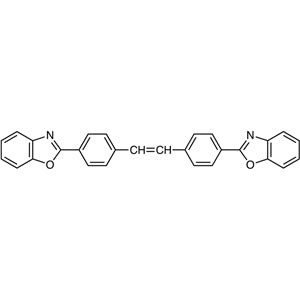
- TCI B2729 1533-45-5 4,4'-Bis(2-benzoxazolyl)stilbene
- TCI B2728 5089-22-5 1,4-Bis(2-benzoxazolyl)naphthalene
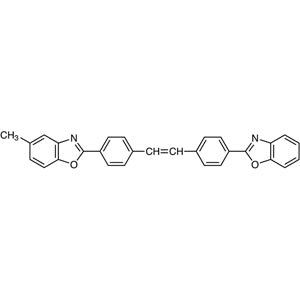
- TCI B1565 5242-49-9 4-(2-Benzoxazolyl)-4'-(5-methyl-2-benzoxazolyl)stilbene
- TCI B1554 7128-64-5 2,5-Bis(5-tert-butyl-2-benzoxazolyl)thiophene
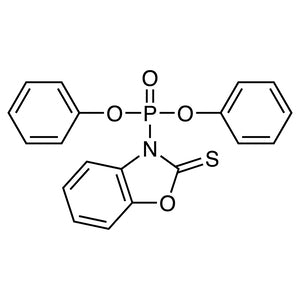
- TCI D2038 111160-56-6 Diphenyl (2,3-Dihydro-2-thioxo-3-benzoxazolyl)phosphonate
- Organic synthesis applications benefit from this compound's reactivity and structural versatility, enabling the creation of complex pharmaceutical intermediates.
- Pharmaceutical research utilizes this compound as a building block for developing new drugs with targeted biological activities.
- Material science studies employ this compound to investigate its potential in creating advanced functional materials with unique properties.
- Analytical chemistry applications leverage its chemical stability and reactivity for precise spectroscopic and chromatographic analyses.
- Bioactive compound development relies on this compound's ability to form stable molecular structures with therapeutic potential.
| Brand | TCI |
|---|---|
| CAS number | 1041-00-5 |
| Molecular formula | — |
| Purity | — |
| Category | TCI |
| Pack sizes | 1 g, 10 g, 100 g |
| Physical form | Solid |
| Storage | Store in a cool, dark place away from light and oxidizing agents. |
This compound should be stored in a cool, dark environment to prevent degradation due to UV light exposure. It is recommended to use opaque containers to minimize light exposure and maintain its chemical integrity. Due to its sensitivity to oxidation, it should be kept away from strong oxidizing agents and stored in a dry, well-ventilated area. When handling, it is important to use appropriate personal protective equipment, such as gloves and safety goggles, to ensure safety. Proper labeling and storage conditions are essential to maintain its effectiveness and ensure safe laboratory practices.
—
Produk Terkait
-
2,5-Bis(5-tert-butyl-2-benzoxazolyl)thiophene(purifiedbysublimation) TCI B4221
Regular price From Rp 2.730.000,00Regular priceRp 1.924.650,00Sale price From Rp 2.730.000,00 -
4,4'-Bis(2-benzoxazolyl)stilbene TCI B2729
Regular price Rp 637.350,00Regular priceRp 460.950,00Sale price Rp 637.350,00 -
1,4-Bis(2-benzoxazolyl)naphthalene TCI B2728
Regular price From Rp 1.776.600,00Regular priceRp 1.257.900,00Sale price From Rp 1.776.600,00 -
4-(2-Benzoxazolyl)-4'-(5-methyl-2-benzoxazolyl)stilbene TCI B1565
Regular price Rp 1.776.600,00Regular priceRp 1.257.900,00Sale price Rp 1.776.600,00 -
2,5-Bis(5-tert-butyl-2-benzoxazolyl)thiophene TCI B1554
Regular price From Rp 822.150,00Regular priceRp 590.100,00Sale price From Rp 822.150,00 -
Diphenyl(2,3-Dihydro-2-thioxo-3-benzoxazolyl)phosphonate TCI D2038
Regular price Rp 2.757.300,00Regular priceRp 1.943.550,00Sale price Rp 2.757.300,00 -
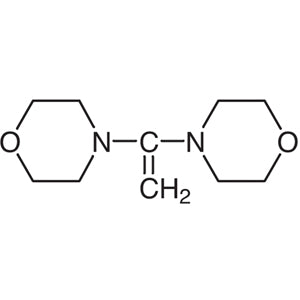
1,1-Bis(morpholino)ethylene TCI B1180
Regular price Rp 4.452.000,00Regular priceRp 3.129.000,00Sale price Rp 4.452.000,00 -
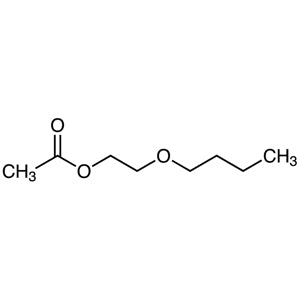
EthyleneGlycolMonobutylEtherAcetate TCI B0700
Regular price From Rp 452.550,00Regular priceRp 316.050,00Sale price From Rp 452.550,00