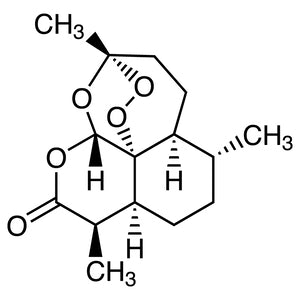
Picrotoxin (TCI C0375) is a natural compound obtained from the seeds of the plant *Anamirta cocculus*. The material is an equimolar mixture of two sesquiterpene lactones, picrotoxinin and picrotin. In neuroscience and pharmacology laboratories, picrotoxin is known as a non-competitive antagonist of the GABA-A receptor. It acts by blocking the chloride channel associated with that receptor. This makes picrotoxin one of the classic pharmacological tools for studying synaptic inhibition in the central nervous system, and it remains a standard reference compound in receptor research.
Researchers choose picrotoxin because its mechanism has been studied for a long time and is well documented in the scientific literature. Picrotoxin blocks the flow of chloride ions through the channel instead of competing at the GABA binding site. This helps researchers separate effects on the channel from effects at the agonist site. The picrotoxinin component is known as the most pharmacologically active part of the mixture, while picrotin is much weaker. In more advanced research, picrotoxin is also used to study GABA-rho receptors and certain glycine receptors, which extends its value beyond classic GABA-A work.
In Indonesia, picrotoxin is relevant to pharmacology, physiology, and neuroscience laboratories in faculties of medicine, pharmacy, and biology, as well as research centers studying the nervous system. Typical users include lecturers, graduate students, and research staff who run receptor pharmacology experiments, electrophysiology studies, or teaching practicals on inhibitory neurotransmission. Because it is listed under crude medicine ingredients for research and experimental use, it is intended only for laboratory research and not for human or veterinary use.
TCI brochures (PDF)
- Traditional Medicine/Crude Medicine Research Reagents 2024-09-11 · p. 1
- Terpenes 2025-09-22 · p. 7
- Plant Research Reagents 2026-02-24 · p. 8
- Pharmaceutical Ingredients for Research and Experimental Use 2026-03-09 · p. 25
- GABA-A receptor antagonism studies: picrotoxin blocks the receptor-associated chloride channel non-competitively, so researchers can suppress GABA-A-mediated currents and confirm their role in a given response.
- Research on synaptic inhibition in the central nervous system: as a classic pharmacological tool, picrotoxin helps isolate inhibitory components of synaptic transmission and show how inhibition shapes neuronal network activity.
- Mechanistic separation of channel and agonist-site effects: because picrotoxin does not compete at the GABA binding site, it lets researchers tell channel-blocking effects apart from effects at the agonist site.
- Studies of GABA-rho and certain glycine receptors: in more advanced research, picrotoxin serves as a probe for these related ligand-gated chloride channels, which supports comparative receptor pharmacology work.
- Teaching and research in pharmacology and physiology: its long history and extensive documentation in the literature make picrotoxin a dependable reference compound for practicals, theses, and validation of experimental models.
| Brand | TCI (product code C0375) |
|---|---|
| CAS number | 124-87-8 |
| Molecular formula | — |
| Purity | — |
| Category | Life Science > Biochemicals and Reagents > Crude Medicine Ingredients for Research and Experimental Use |
| Pack sizes | as listed in the variant options on this page |
| Physical form | refer to the TCI product label and Safety Data Sheet (SDS) for the batch supplied |
| Storage | — |
- Composition: equimolar mixture of picrotoxinin and picrotin, from *Anamirta cocculus* seeds
Store picrotoxin in its original, tightly closed container in a cool, dry, well-ventilated place, protected from light and moisture, and follow the storage conditions on the TCI label and SDS. Keep it apart from food, drinks, and incompatible chemicals, and label clearly any secondary containers used for stock solutions. Picrotoxin is a potent neuroactive compound, so handle it only in a laboratory setting with suitable personal protective equipment, including gloves, a lab coat, and eye protection. Avoid creating or breathing in dust, and weigh the material in a fume hood or ventilated enclosure. Wash your hands after handling, and dispose of waste in line with institutional and local chemical waste regulations. This product is for research use only.
—
Product Categories
- Biochemicals and ReagentsCrude Medicine Ingredients for Research and Experimental Use
- Biochemicals and ReagentsPharmaceutical Research Reagents (for Experimental Use)Neurotransmitter Agent Ingredients (for Research and Experimental Use)
- Biochemicals and ReagentsTerpenesSesquiterpenes
- Pharmaceutical Development and Drug Discovery ResearchPharmaceutical Research Reagents (for Experimental Use)Neurotransmitter Agent Ingredients (for Research and Experimental Use)
- Pharmaceutical Development and Drug Discovery ResearchCrude Medicine Ingredients for Research and Experimental Use
Produk Terkait
-
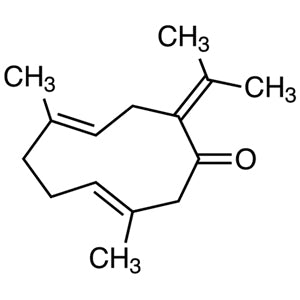
Germacrone TCI G0519
Regular price From Rp 2.889.600,00Regular priceRp 2.035.950,00Sale price From Rp 2.889.600,00 -
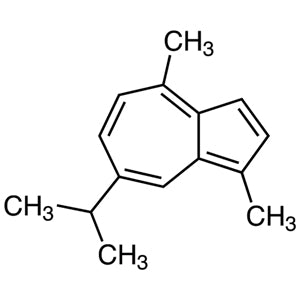
Guaiazulene TCI G0228
Regular price Rp 1.908.900,00Regular priceRp 1.334.550,00Sale price Rp 1.908.900,00 -
Zerumbone TCI Z0060
Regular price Rp 8.374.800,00Regular priceRp 5.871.600,00Sale price Rp 8.374.800,00 -
(+)-Bicuculline TCI B1890
Regular price From Rp 1.140.300,00Regular priceRp 812.700,00Sale price From Rp 1.140.300,00 -
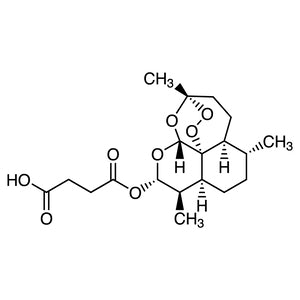
Artesunate TCI A2191
Regular price From Rp 1.405.950,00Regular priceRp 998.550,00Sale price From Rp 1.405.950,00 -
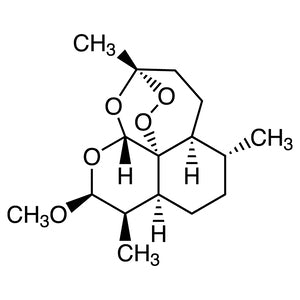
Artemether TCI A2190
Regular price From Rp 1.801.800,00Regular priceRp 1.275.750,00Sale price From Rp 1.801.800,00 -
Artemisinin TCI A2118
Regular price From Rp 1.192.800,00Regular priceRp 849.450,00Sale price From Rp 1.192.800,00 -
Atropine TCI A0754
Regular price From Rp 3.551.100,00Regular priceRp 2.499.000,00Sale price From Rp 3.551.100,00