TCI C0723 Hexyl Chloroformate (CAS 6092-54-2) is a chloroformate ester with a hexyl alkyl chain. It is a reactive acyl chloride compound that combines an –O–C(=O)Cl group with a six-carbon hydrocarbon chain. In the laboratory, it serves as an acylating reagent that introduces the hexyloxycarbonyl group onto amines, alcohols, and phenols, giving carbamates and carbonates. Both classes of compounds matter in medicinal chemistry, polymer chemistry, and analytical derivatization. This makes Hexyl Chloroformate a widely used reactive building block within the non-heterocyclic building block category.
Chemists choose Hexyl Chloroformate because its reactivity is high but controllable. The reagent reacts quickly with nucleophiles under mild, base-assisted conditions, so it works well for modifying sensitive molecules. The hexyl chain gives the products moderate lipophilicity. This helps when tuning solubility, adjusting membrane permeability in prodrug design, or controlling the volatility of derivatives for gas chromatography. Compared with shorter-chain chloroformates, the hexyl derivative produces more hydrophobic products. That makes it easier to extract them into the organic phase during derivatization procedures, so workup is simpler and recovery is more consistent.
In Indonesian laboratories, Hexyl Chloroformate is used in university research groups, pharmaceutical and fine-chemical development labs, and analytical testing facilities. Synthetic chemists use it to prepare carbamate and carbonate intermediates when building compound libraries or exploring structure–activity relationships. Analytical laboratories use it as a derivatizing agent that turns polar analytes into less polar, more volatile derivatives for chromatographic analysis. Supplied under the TCI brand, it gives research and quality-control teams a dependable reagent for routine and exploratory work.
- Carbamate synthesis: reacts readily with primary and secondary amines under mild basic conditions to install the hexyloxycarbonyl group, giving carbamates for medicinal chemistry studies.
- Carbonate preparation: acylates alcohols and phenols to form hexyl carbonates, which makes it useful for building intermediates and functionalized molecules in organic synthesis programs.
- Prodrug design research: the hexyl chain adds moderate lipophilicity, so researchers can adjust solubility and membrane permeability when designing carbamate or carbonate prodrug candidates.
- Derivatization for gas chromatography: converts polar functional groups into less polar, more volatile derivatives, which improves peak behavior and detectability in GC-based analytical methods.
- Liquid–liquid extraction in sample preparation: its derivatives are more hydrophobic than those of shorter-chain chloroformates, so they extract more easily into organic solvents during analytical derivatization workflows.
| Brand | TCI (product code C0723) |
|---|---|
| CAS number | 6092-54-2 |
| Molecular formula | — |
| Purity | — |
| Category | Chemistry > Building Blocks > Non-Heterocyclic Building Blocks |
| Pack sizes | as listed on the product page; contact AMI Scientific to confirm availability |
| Physical form | — |
| Storage | keep tightly sealed, protected from moisture, and follow the manufacturer's label and SDS |
- Chemical class: chloroformate ester (reactive acyl chloride) with a hexyl chain
Like other chloroformates, Hexyl Chloroformate is reactive and sensitive to moisture. It can hydrolyze on contact with water or humid air and release corrosive by-products. Keep it in its original tightly closed container, under dry conditions, in a cool, well-ventilated chemical storage area away from water, alcohols, amines, bases, and oxidizing agents. Follow the storage temperature on the TCI label and Safety Data Sheet. Handle it only in a fume hood while wearing chemical-resistant gloves, safety goggles, and a lab coat. Avoid inhaling vapors and avoid skin contact. Dispense with dry glassware, reseal the container promptly after use, and dispose of residues according to local hazardous waste regulations.
—
Produk Terkait
-
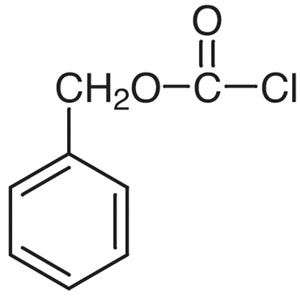
BenzylChloroformate TCI B3021
Regular price From Rp 689.850,00Regular priceRp 497.700,00Sale price From Rp 689.850,00 -
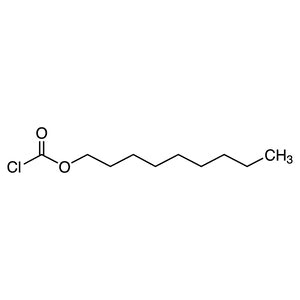
NonylChloroformate TCI B0262
Regular price From Rp 1.458.450,00Regular priceRp 1.035.300,00Sale price From Rp 1.458.450,00 -
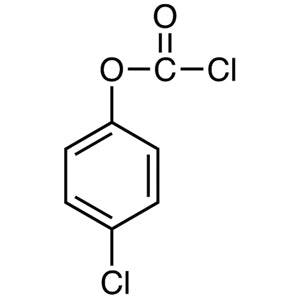
4-ChlorophenylChloroformate TCI C2545
Regular price From Rp 848.400,00Regular priceRp 609.000,00Sale price From Rp 848.400,00 -
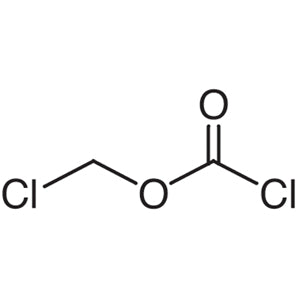
ChloromethylChloroformate TCI C1396
Regular price From Rp 7.182.000,00Regular priceRp 5.037.900,00Sale price From Rp 7.182.000,00 -
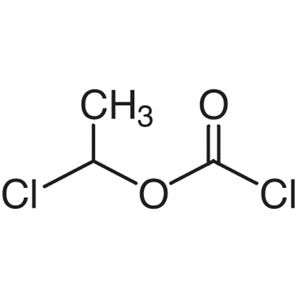
1-ChloroethylChloroformate TCI C1395
Regular price From Rp 1.378.650,00Regular priceRp 979.650,00Sale price From Rp 1.378.650,00 -
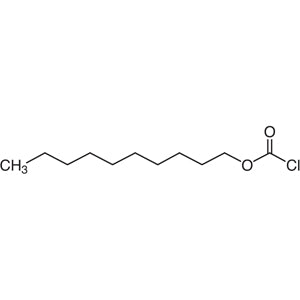
DecylChloroformate TCI C1357
Regular price From Rp 1.087.800,00Regular priceRp 775.950,00Sale price From Rp 1.087.800,00 -
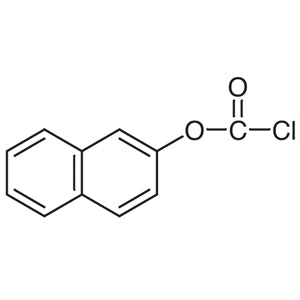
2-NaphthylChloroformate TCI C1115
Regular price Rp 7.446.600,00Regular priceRp 5.222.700,00Sale price Rp 7.446.600,00 -
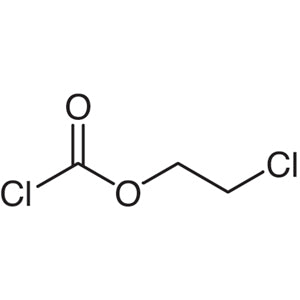
2-ChloroethylChloroformate TCI C1052
Regular price From Rp 1.087.800,00Regular priceRp 775.950,00Sale price From Rp 1.087.800,00