n-Octyl Chloroformate from TCI is a straight-chain chloroformate ester with an eight-carbon chain. It is a reactive acylating reagent used to attach the octyloxycarbonyl group to nucleophiles such as amines, alcohols and phenols. In the laboratory it is classed as a non-heterocyclic building block and is used mainly to make long-chain carbamates and carbonates. These products are needed in medicinal chemistry, materials science, surfactant development and work that tunes how hydrophobic a molecule is. It reacts much like other alkyl chloroformates but gives products that are far more lipophilic.
The main reason to choose n-Octyl Chloroformate is that it pairs the high reactivity of the chloroformate group with a long, hydrophobic octyl chain. Reactions with amines or alcohols usually run quickly with a base, at temperatures from low up to room temperature, so the reagent suits sensitive substrates that cannot take harsh conditions. The eight-carbon chain clearly raises lipophilicity. Chemists use this to design prodrugs that pass through membranes more easily, to build amphiphilic molecules, and to make derivatives that move readily into an organic phase during extraction and workup.
In Indonesian laboratories, this reagent suits research groups at universities, research institutes and industrial R&D units working in organic synthesis, pharmaceutical development and materials chemistry. It is a practical choice for projects that need long-chain carbamate or carbonate derivatives, amphiphilic compounds or more lipophilic analogues of a lead molecule. Because the reaction conditions are mild, chemists can use it with routine glassware, common bases and standard organic solvents found in most synthesis laboratories.
- Carbamate synthesis: reacts readily with primary and secondary amines and a base to form octyl carbamates, giving a dependable way to add a lipophilic protecting group or a functional handle.
- Carbonate preparation: couples with alcohols and phenols under mild conditions to give long-chain octyl carbonates, which helps when building hydrophobic derivatives for further synthetic study.
- Prodrug design in medicinal chemistry: the eight-carbon chain raises lipophilicity markedly, which helps researchers design carbamate or carbonate prodrugs that may pass through biological membranes more easily.
- Amphiphilic molecule and surfactant development: putting a hydrophobic octyl tail onto polar head groups lets researchers build amphiphilic structures for surfactant and interface studies.
- Materials science and property tuning: adding octyloxycarbonyl groups to monomers, polymers or functional molecules changes their hydrophobicity, which helps when tuning solubility, phase behaviour and surface properties.
| Brand | TCI (product code C0724) |
|---|---|
| CAS number | 7452-59-7 |
| Molecular formula | — |
| Purity | — |
| Category | Chemistry > Building Blocks > Non-Heterocyclic Building Blocks |
| Pack sizes | available in standard TCI pack sizes; please confirm current options with AMI Scientific |
| Physical form | liquid reagent |
| Storage | moisture-sensitive; keep tightly closed in a cool, dry place, preferably refrigerated |
Like other chloroformates, n-Octyl Chloroformate reacts with moisture. Store it in its original, tightly sealed container in a cool, dry and well-ventilated place, ideally refrigerated and, where possible, under an inert gas such as nitrogen or argon. Keep it away from water, alcohols, amines, bases and oxidizing agents unless they are part of a planned reaction. Handle it only in a fume hood, wearing chemical-resistant gloves, safety goggles and a lab coat, because chloroformates can irritate or corrode skin, eyes and the respiratory tract. Use dry glassware and syringes, and let a refrigerated container reach room temperature before opening it so moisture does not condense inside. Always check the supplier's Safety Data Sheet for full hazard, first-aid and disposal information.
—
Produk Terkait
-
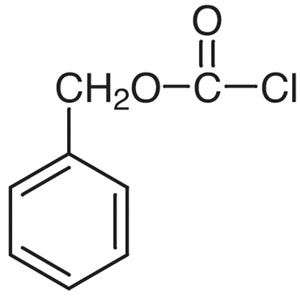
BenzylChloroformate TCI B3021
Regular price From Rp 689.850,00Regular priceRp 497.700,00Sale price From Rp 689.850,00 -
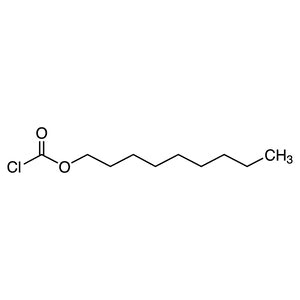
NonylChloroformate TCI B0262
Regular price From Rp 1.458.450,00Regular priceRp 1.035.300,00Sale price From Rp 1.458.450,00 -
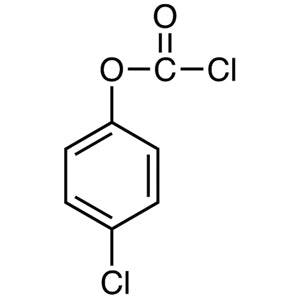
4-ChlorophenylChloroformate TCI C2545
Regular price From Rp 848.400,00Regular priceRp 609.000,00Sale price From Rp 848.400,00 -
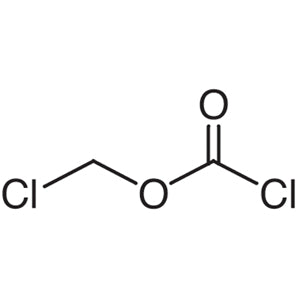
ChloromethylChloroformate TCI C1396
Regular price From Rp 7.182.000,00Regular priceRp 5.037.900,00Sale price From Rp 7.182.000,00 -
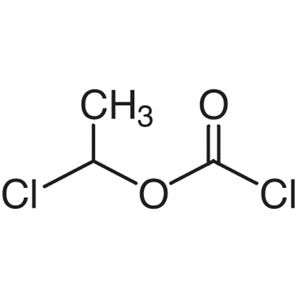
1-ChloroethylChloroformate TCI C1395
Regular price From Rp 1.378.650,00Regular priceRp 979.650,00Sale price From Rp 1.378.650,00 -
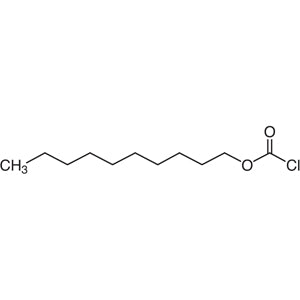
DecylChloroformate TCI C1357
Regular price From Rp 1.087.800,00Regular priceRp 775.950,00Sale price From Rp 1.087.800,00 -
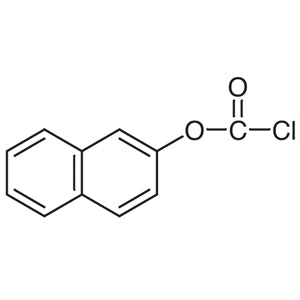
2-NaphthylChloroformate TCI C1115
Regular price Rp 7.446.600,00Regular priceRp 5.222.700,00Sale price Rp 7.446.600,00 -
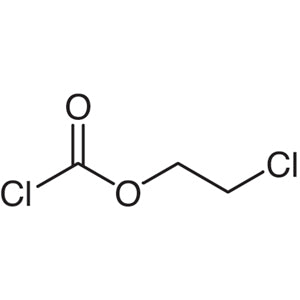
2-ChloroethylChloroformate TCI C1052
Regular price From Rp 1.087.800,00Regular priceRp 775.950,00Sale price From Rp 1.087.800,00