


Copper(I) Hexafluoro-2,4-pentanedionate 1,5-Cyclooctadiene Complex is a specialized chemical compound widely used in catalytic processes and organic synthesis within laboratory settings. This material belongs to the category of transition metal complexes and is known for its unique ability to facilitate a variety of chemical reactions. Its structure allows it to act as an efficient catalyst in both reduction and oxidation reactions, making it a valuable tool for researchers. The compound is particularly useful in the synthesis of complex organic molecules, where precise control over reaction conditions is essential.
The compound's high reactivity and ability to interact with various ligands make it a preferred choice for applications requiring metal-based catalysis. Its stability under specific conditions ensures reliable performance in controlled environments, while its sensitivity to moisture and oxygen necessitates careful handling. These properties make it ideal for use in advanced chemical research, especially in laboratories focused on catalysis and inorganic chemistry. The compound’s versatility and effectiveness have made it a standard in many scientific applications.
In Indonesian laboratories, this compound is commonly used in organic chemistry research, catalytic processes, and the synthesis of complex compounds. It is a popular choice among research institutions and universities due to its reliability and efficiency. Its application in these settings highlights its importance in advancing chemical research and development in the region.
TCI brochures (PDF)
- Transition Metal Catalysts 2026-04-10 · p. 16
Related TCI products
- TCI T1442 42152-46-5 Copper(I) Trifluoromethanesulfonate Benzene Complex
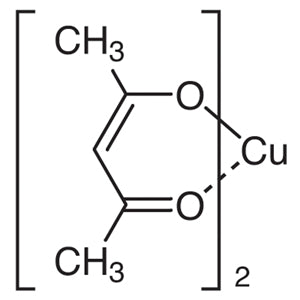
- TCI C0384 13395-16-9 Bis(2,4-pentanedionato)copper(II)
- TCI T3905 58452-28-1 Tetrakis(acetonitrile)copper(I) Trifluoromethanesulfonate
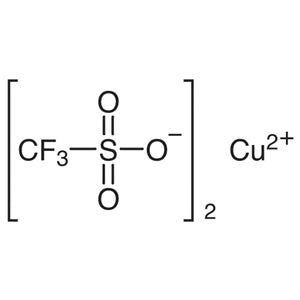
- TCI T1292 34946-82-2 Copper(II) Trifluoromethanesulfonate
- TCI B3351 920739-11-3 [1,3-Bis(2,6-diisopropylphenyl)imidazol-2-ylidene](1,3-diphenyl-1,3-propanedionato)copper(I)
- TCI B1513 32270-93-2 Bis(1,3-propanediamine) Copper(II) Dichloride
- Organic synthesis reactions benefit from this compound's ability to act as a catalyst in forming complex organic molecules.
- Catalytic reduction processes utilize its high reactivity to facilitate the conversion of substrates under controlled conditions.
- Oxidation reactions in laboratory settings rely on its stability and effectiveness in promoting desired chemical transformations.
- Metal-based catalysis applications require its unique structure to interact with various ligands and enhance reaction efficiency.
- Research in transition metal chemistry often employs this compound to study the behavior of metal complexes in different environments.
| Brand | TCI |
|---|---|
| CAS number | 86233-74-1 |
| Molecular formula | — |
| Purity | — |
| Category | Chemistry > Catalysis and Inorganic Chemistry > Transition Elements |
| Pack sizes | Available in various quantities as per supplier specifications |
| Physical form | Solid or powder, depending on the specific formulation |
| Storage | Requires storage in a dry, inert atmosphere to prevent degradation |
This compound should be stored in a cool, dry environment away from moisture and oxygen to maintain its stability and effectiveness. It is recommended to use airtight containers made of inert materials such as glass or stainless steel to prevent contamination and degradation. Due to its sensitivity, it should be handled in a controlled laboratory setting with appropriate safety measures in place. Avoid exposure to air and humidity during storage and use. Regular monitoring of storage conditions is essential to ensure the compound remains viable for experimental use. Proper labeling and containment are necessary to prevent accidental exposure and ensure safe handling.
—
Produk Terkait
-
Copper(I)TrifluoromethanesulfonateBenzeneComplex TCI T1442
Regular price From Rp 2.041.200,00Regular price -
Bis(2,4-pentanedionato)copper(II) TCI C0384
Regular price From Rp 637.350,00Regular price -
Tetrakis(acetonitrile)copper(I)Trifluoromethanesulfonate TCI T3905
Regular price From Rp 2.199.750,00Regular price -
Copper(II)Trifluoromethanesulfonate TCI T1292
Regular price From Rp 1.510.950,00Regular price -
[1,3-Bis(2,6-diisopropylphenyl)imidazol-2-ylidene](1,3-diphenyl-1,3-propanedionato)copper(I) TCI B3351
Regular price From Rp 1.353.450,00Regular price -
Bis(1,3-propanediamine)Copper(II)Dichloride TCI B1513
Regular price From Rp 1.326.150,00Regular price -
Copper(II)Bis(2-hydroxyethyl)dithiocarbamate TCI B0491
Regular price From Rp 903.000,00Regular price -
Copper(I)Acetate TCI A1540
Regular price From Rp 1.565.550,00Regular price


copper(I) - AMI Scientific](http://amiscientific.com/cdn/shop/files/TCI2510B3351_e8931cd7-8c99-4c22-8466-a4a766eb25fb.jpg?v=1767432375&width=533)


