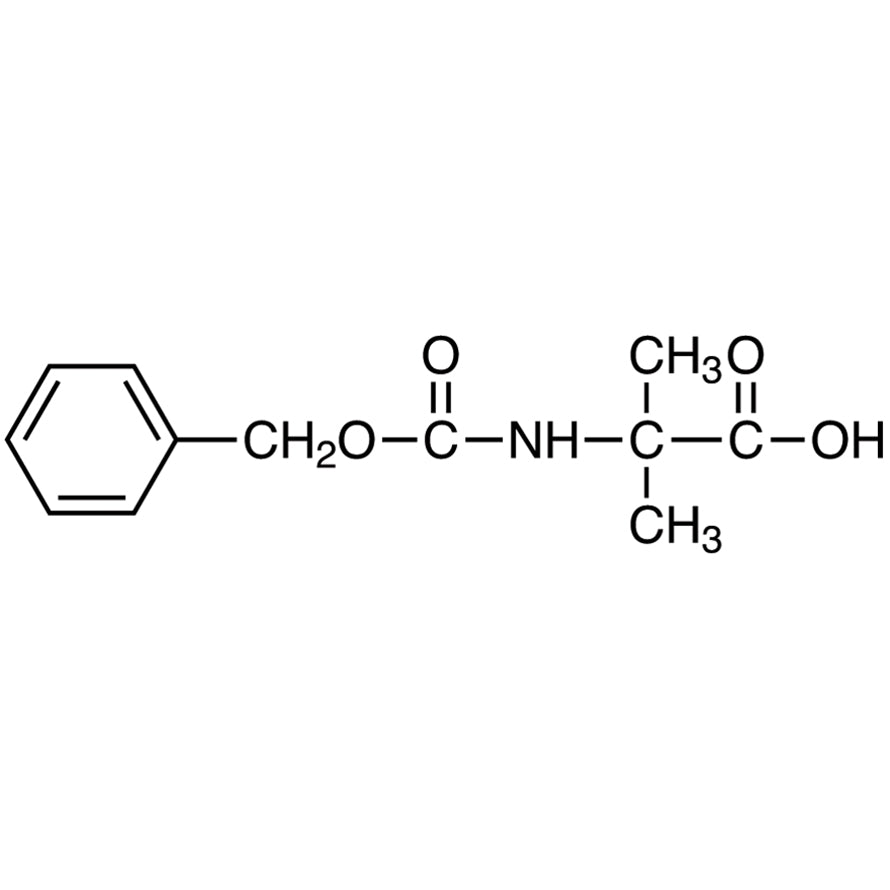
2-(Benzyloxycarbonylamino)isobutyric Acid is a chemical compound widely used in biochemical experiments and scientific research. It belongs to the amino acid category and is recognized for its complex molecular structure, making it a valuable reagent in organic synthesis. This compound plays a crucial role in laboratories where precision and controlled chemical reactions are essential. Its versatility allows it to be incorporated into various research projects, particularly in pharmacology and biochemistry, where the synthesis of bioactive compounds is required.
The compound is preferred due to its chemical stability under specific conditions and its ability to participate in multiple types of chemical reactions, including coupling, substitution, and degradation. Its specific molecular structure enables controlled and precise reactions, making it ideal for high-accuracy research. Additionally, its compatibility with various synthetic pathways enhances its utility in the development of new compounds with targeted biological activities. These properties make it a reliable choice for researchers seeking consistency and reproducibility in their experiments.
In Indonesian laboratories, this compound is commonly used in research related to metabolites, pharmacological substances, and molecular interaction studies. It is a key component in experiments aimed at understanding biochemical processes and developing new therapeutic agents. Many research institutions and universities rely on this material as an essential reagent in their biochemistry and pharmacy-related studies. Its presence in laboratory workflows underscores its importance in advancing scientific knowledge and innovation in the region.
- Used in the synthesis of bioactive compounds due to its ability to participate in controlled chemical reactions.
- Applied in pharmacological research for the development of new therapeutic agents and drug candidates.
- Employed in biochemical studies to investigate molecular interactions and metabolic pathways.
- Utilized in organic synthesis to create complex molecules with specific functional groups.
- Integrated into research projects focused on the structural analysis of amino acid derivatives.
| Brand | TCI |
|---|---|
| CAS number | 15030-72-5 |
| Molecular formula | — |
| Purity | — |
| Category | Life Science > Biochemicals and Reagents > Amino Acids |
| Pack sizes | Available in various quantities as per standard laboratory requirements |
| Physical form | Solid powder |
| Storage | Store in a cool, dry place away from direct sunlight |
This compound should be stored in a cool, dry environment to maintain its chemical stability and prevent degradation. It is recommended to keep it in a tightly sealed container to avoid moisture absorption and contamination. Due to its chemical nature, it should be handled with appropriate personal protective equipment, such as gloves and safety goggles, to ensure laboratory safety. Storage should be away from incompatible substances to prevent unwanted reactions. Regular monitoring of storage conditions is advised to maintain the integrity of the material. Proper labeling of containers is essential for safe handling and easy identification.
—
Produk Terkait
-
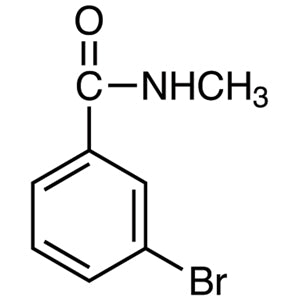
3-Bromo-N-methylbenzamide TCI B5644
Regular price From Rp 1.431.150,00Regular price -
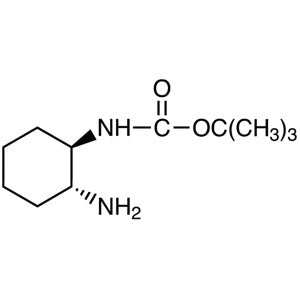
(1R,2R)-N1-(tert-Butoxycarbonyl)-1,2-cyclohexanediamine TCI B5647
Regular price Rp 3.367.350,00Regular price -
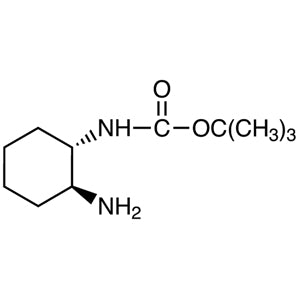
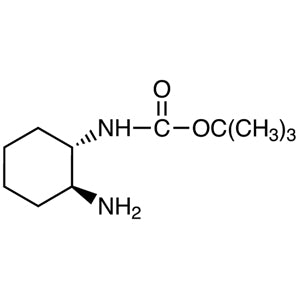
(1S,2S)-N1-(tert-Butoxycarbonyl)-1,2-cyclohexanediamine TCI B5648
Regular price From Rp 2.809.800,00Regular price -
N-Benzyl-2,2,2-trifluoroacetamide TCI B5705
Regular price From Rp 1.326.150,00Regular price -
SB-366791 TCI B5762
Regular price From Rp 5.485.200,00Regular price -
N-Carbobenzoxypropargylamine TCI B5958
Regular price Rp 4.849.950,00Regular price -
tert-Butyl(3-Oxo-3-phenylpropyl)carbamate TCI B5981
Regular price Rp 4.584.300,00Regular price -
SB297006 TCI B6053
Regular price From Rp 3.710.700,00Regular price