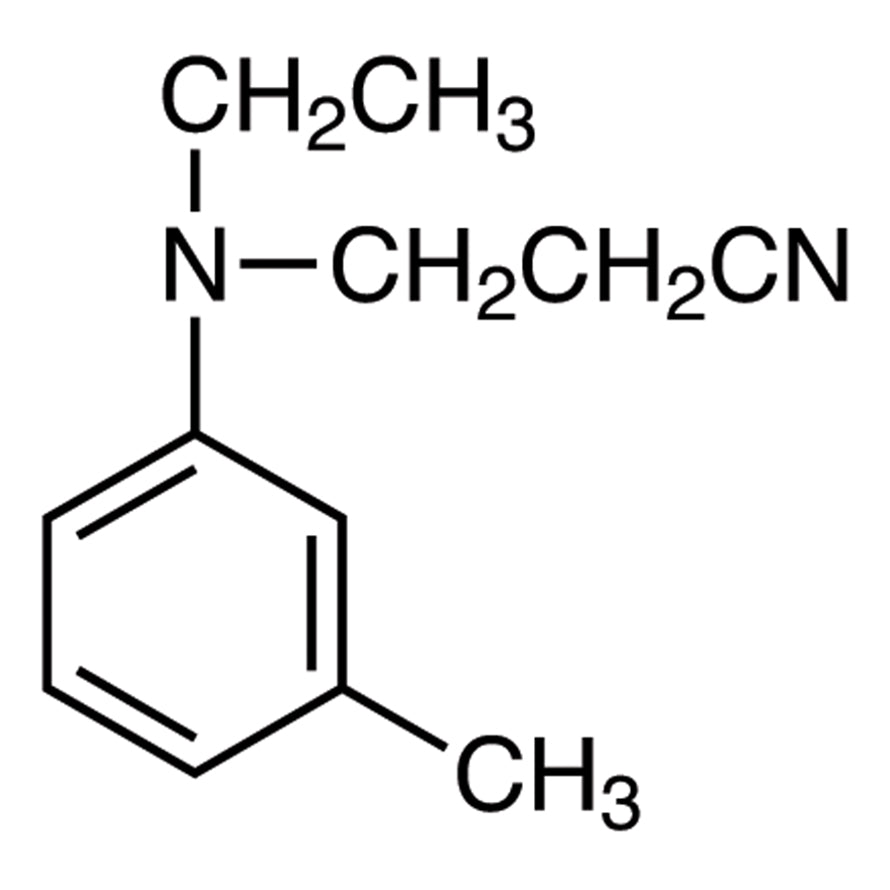
N-(2-Cyanoethyl)-N-ethyl-m-toluidine is a chemical compound widely used as a foundational building block in the synthesis of complex molecules. It plays a crucial role in organic chemistry laboratories, where it serves as a versatile intermediate for the development of new compounds. This compound is particularly valuable for its ability to participate in various chemical reactions, including substitution, addition, and redox processes. Its structural characteristics make it an essential tool for researchers aiming to create pharmaceuticals, industrial chemicals, or other organic compounds.
The compound's stability and reactivity make it a preferred choice for chemical synthesis. Its aromatic structure and functional groups enable it to react with a wide range of reagents, making it adaptable to different synthetic strategies. The compound's predictable behavior under various reaction conditions ensures reliable results in laboratory settings. These properties contribute to its popularity among chemists and researchers who require a dependable and efficient building block for their experiments.
In Indonesian laboratories, N-(2-Cyanoethyl)-N-ethyl-m-toluidine is commonly used in organic chemistry research, especially in pharmaceutical and food chemistry applications. It is a key component in the development of new drugs and specialty chemicals. Many research institutions and universities in Indonesia rely on this compound for experiments that require a stable and reactive starting material. Its widespread use underscores its importance in both academic and industrial chemical research.
Related TCI products
- TCI T1577 7528-78-1 Tris(2-cyanoethyl)amine
- TCI T1439 3189-43-3 Tetracyanoethylene Oxide
- TCI C0872 94-34-8 N-(2-Cyanoethyl)-N-methylaniline
- TCI C0451 148-87-8 N-(2-Cyanoethyl)-N-ethylaniline
- TCI A1284 19248-13-6 N-(2-Aminoethyl)-N-ethyl-m-toluidine
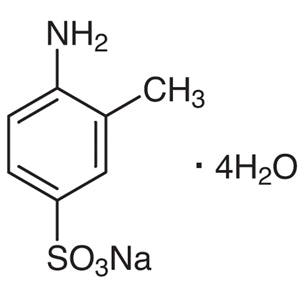
- TCI T0304 63450-43-1 o-Toluidine-4-sulfonic Acid Sodium Salt Tetrahydrate
- Organic synthesis in pharmaceutical research due to its reactivity and structural versatility.
- Development of specialty chemicals in industrial applications where functional group manipulation is required.
- Creation of new compounds in food chemistry for flavor and fragrance development.
- Use in academic research for teaching and experimental purposes in chemical education.
- Support for redox reactions and substitution processes in chemical reaction studies.
| Brand | TCI |
|---|---|
| CAS number | 148-69-6 |
| Molecular formula | — |
| Purity | — |
| Category | Chemistry > Building Blocks > Non-Heterocyclic Building Blocks |
| Pack sizes | Available in various quantities as per standard laboratory supply |
| Physical form | Liquid |
| Storage | Store in a cool, dry place away from light and incompatible materials |
This compound should be stored in a cool, dry place away from direct sunlight and sources of heat. It is recommended to use airtight containers made of glass or high-density polyethylene to prevent contamination and evaporation. Due to its chemical nature, it should be kept away from incompatible substances such as strong oxidizers and acids. Proper labeling and storage conditions are essential to ensure safety and maintain the compound's integrity. Laboratory personnel should always use appropriate personal protective equipment when handling this material to minimize exposure risks. Regular monitoring of storage conditions is advised to ensure optimal performance and safety in the laboratory environment.
—
Produk Terkait
-
Tris(2-cyanoethyl)amine TCI T1577
Regular price From Rp 2.862.300,00Regular price -
TetracyanoethyleneOxide TCI T1439
Regular price Rp 3.683.400,00Regular price -
N-(2-Cyanoethyl)-N-methylaniline TCI C0872
Regular price From Rp 452.550,00Regular price -
N-(2-Cyanoethyl)-N-ethylaniline TCI C0451
Regular price From Rp 452.550,00Regular price -
N-(2-Aminoethyl)-N-ethyl-m-toluidine TCI A1284
Regular price Rp 4.001.550,00Regular price -
o-Toluidine-4-sulfonicAcidSodiumSaltTetrahydrate TCI T0304
Regular price From Rp 505.050,00Regular price -
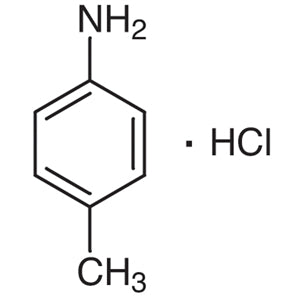
p-ToluidineHydrochloride TCI T0303
Regular price From Rp 477.750,00Regular price -
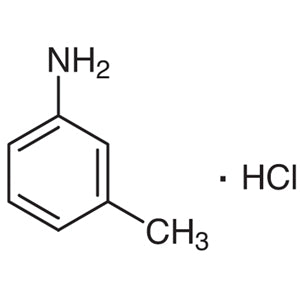
m-ToluidineHydrochloride TCI T0301
Regular price Rp 4.161.150,00Regular price