2-Chloro-3,5-dimethylpyrazine is a chemical compound widely used in laboratory settings as a building block for the synthesis of complex heterocyclic compounds. It plays a crucial role in organic chemistry by enabling the creation of molecules with specific structural features and functional groups. This compound is particularly valuable in research focused on developing bioactive molecules due to its versatility and reactivity. Its unique molecular structure, featuring a pyrazine ring with chloro and methyl substituents, allows it to participate in a variety of chemical reactions, making it a key component in synthetic pathways.
The compound is favored for its stable chemical structure and ability to react with various functional groups under controlled conditions. This reactivity can be tailored through specific reaction parameters, enabling the synthesis of compounds with desired properties. Its chemical stability ensures that it remains effective across multiple synthetic processes, while its functional versatility allows it to be integrated into diverse molecular architectures. These properties make it a preferred choice for researchers aiming to develop new compounds with pharmaceutical or industrial applications.
In Indonesian laboratories, 2-Chloro-3,5-dimethylpyrazine is commonly used in organic chemistry research, particularly in pharmacology and the synthesis of bioactive compounds. It is a key reagent in the development of new therapeutic agents and industrial chemicals. Its availability and reliability make it a staple in academic and industrial research settings, supporting ongoing advancements in chemical sciences.
Related TCI products
- TCI C2040 95-89-6 3-Chloro-2,5-dimethylpyrazine
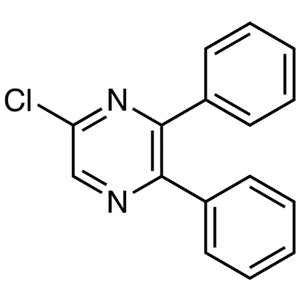
- TCI C3205 41270-66-0 5-Chloro-2,3-diphenylpyrazine
- TCI C2777 38557-71-0 2-Chloro-6-methylpyrazine
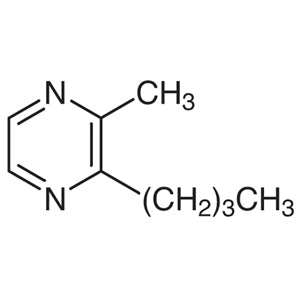
- TCI B1173 15987-00-5 2-Butyl-3-methylpyrazine
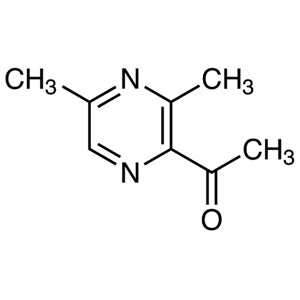
- TCI A3326 54300-08-2 2-Acetyl-3,5-dimethylpyrazine (contains 2-Acetyl-3,6-dimethylpyrazine)
- TCI A2992 5521-56-2 2-Amino-6-methylpyrazine
- Antifungal Compound Synthesis: This compound is ideal for creating antifungal agents due to its structural versatility and reactivity, allowing the design of complex molecular frameworks with antifungal properties.
- Anticancer Drug Development: Its ability to participate in various chemical reactions makes it a valuable tool in the synthesis of compounds with potential anticancer activities.
- Organic Synthesis Research: The compound is widely used in organic synthesis to build complex heterocyclic structures, supporting research in pharmaceutical and industrial chemistry.
- Bioactive Molecule Design: Its functional groups enable the development of bioactive molecules with specific biological activities, making it essential for drug discovery projects.
- Heterocyclic Compound Innovation: The compound's unique structure allows for the creation of novel heterocyclic compounds, expanding the range of chemical materials available for research and development.
| Brand | TCI |
|---|---|
| CAS number | 38557-72-1 |
| Molecular formula | — |
| Purity | — |
| Category | Chemistry > Building Blocks > Heterocyclic Building Blocks |
| Pack sizes | Available in various quantities as per standard laboratory requirements |
| Physical form | Solid |
| Storage | Store in a cool, dry place away from light and moisture |
This compound should be stored in a cool, dry environment, away from direct light and moisture to maintain its chemical stability. It is recommended to use airtight containers to prevent exposure to air and humidity, which could affect its reactivity. In laboratory settings, it should be handled with appropriate personal protective equipment, such as gloves and safety goggles, to ensure safe handling. Due to its chemical nature, it should be stored separately from incompatible substances to avoid potential reactions. Proper labeling and storage conditions are essential to maintain its integrity and ensure safe use in research applications.
—
Produk Terkait
-
3-Chloro-2,5-dimethylpyrazine TCI C2040
Regular price Rp 1.008.000,00Regular priceRp 720.300,00Sale price Rp 1.008.000,00 -
5-Chloro-2,3-diphenylpyrazine TCI C3205
Regular price Rp 1.590.750,00Regular priceRp 1.127.700,00Sale price Rp 1.590.750,00 -
2-Chloro-6-methylpyrazine TCI C2777
Regular price Rp 2.252.250,00Regular priceRp 1.590.750,00Sale price Rp 2.252.250,00 -
2-Butyl-3-methylpyrazine TCI B1173
Regular price Rp 3.285.450,00Regular priceRp 2.313.150,00Sale price Rp 3.285.450,00 -
2-Acetyl-3,5-dimethylpyrazine(contains2-Acetyl-3,6-dimethylpyrazine) TCI A3326
Regular price Rp 1.378.650,00Regular priceRp 979.650,00Sale price Rp 1.378.650,00 -
2-Amino-6-methylpyrazine TCI A2992
Regular price Rp 955.500,00Regular priceRp 683.550,00Sale price Rp 955.500,00 -
2-Acetyl-3-ethylpyrazine TCI A2003
Regular price Rp 1.087.800,00Regular priceRp 775.950,00Sale price Rp 1.087.800,00 -
2-Acetyl-3-methylpyrazine TCI A1978
Regular price Rp 1.087.800,00Regular priceRp 775.950,00Sale price Rp 1.087.800,00