2-Chloroquinoxaline is a chemical compound classified under the heterocyclic category, featuring a quinoxaline core with a chlorine substituent at a specific position. This compound plays a crucial role in laboratory settings, particularly in organic chemistry and pharmaceutical research. It serves as a foundational building block for the synthesis of complex molecules, enabling the development of new compounds with tailored properties. Its structural versatility makes it an essential tool for chemists aiming to design and produce bioactive substances or industrial chemicals.
The chemical properties of 2-Chloroquinoxaline, including its reactivity and ability to form various functional groups, make it a preferred choice for synthetic applications. Its stability under controlled conditions allows for precise manipulation in laboratory reactions, while its reactivity ensures compatibility with a wide range of chemical processes. These characteristics contribute to its effectiveness in creating compounds with specific biological or industrial functions. The compound’s adaptability enhances its utility across multiple research fields, supporting both academic and industrial innovation.
In Indonesian laboratories, 2-Chloroquinoxaline is commonly used by researchers in chemistry, pharmacy, and materials science. It is integral to studies involving the synthesis of new compounds, drug development, and the characterization of chemical substances. Its presence in these research areas underscores its importance as a reliable and versatile reagent, facilitating advancements in scientific discovery and technological application.
Related TCI products
- Organic synthesis of bioactive compounds due to its structural versatility and reactivity.
- Pharmaceutical research for the development of new drugs with targeted biological activities.
- Materials science applications in the creation of functional polymers and advanced chemical materials.
- Chemical characterization studies for the analysis of complex molecular structures.
- Academic research projects focused on the exploration of heterocyclic chemistry and its applications.
| Brand | TCI |
|---|---|
| CAS number | 1448-87-9 |
| Molecular formula | — |
| Purity | — |
| Category | Chemistry > Building Blocks > Heterocyclic Building Blocks |
| Pack sizes | Available in various quantities as per standard laboratory supply formats |
| Physical form | Solid, crystalline appearance |
| Storage | Store in a cool, dry place away from light and incompatible materials |
2-Chloroquinoxaline should be stored in a cool, dry environment, away from direct light and sources of heat. It is recommended to use airtight containers to prevent exposure to moisture and air, which could affect its chemical stability. Due to its reactivity and potential toxicity, it should be handled with appropriate personal protective equipment, including gloves and safety goggles. Laboratory personnel should ensure proper ventilation when working with this compound to minimize inhalation risks. It is essential to keep the compound away from incompatible substances such as strong acids or bases to prevent unwanted chemical reactions. Always follow standard safety protocols when handling and storing this material to ensure a safe working environment.
—
Produk Terkait
-
2,6-Dichloroquinoxaline TCI D5697
Regular price Rp 2.757.300,00Regular priceRp 1.943.550,00Sale price Rp 2.757.300,00 -
2,3-Dichloroquinoxaline TCI D2622
Regular price From Rp 903.000,00Regular price -
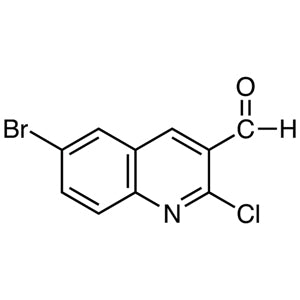
6-Bromo-2-chloroquinoline-3-carboxaldehyde TCI B5242
Regular price Rp 5.327.700,00Regular price -
6-Bromo-4-chloroquinoline TCI B5166
Regular price From Rp 717.150,00Regular price -
Ethyl4-Chloroquinoline-3-carboxylate TCI E1201
Regular price Rp 1.378.650,00Regular price -
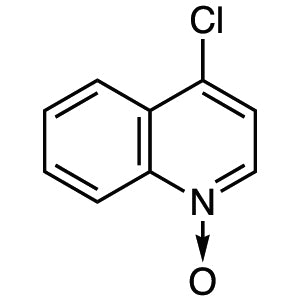
4-Chloroquinoline1-Oxide TCI C3682
Regular price From Rp 1.485.750,00Regular price -
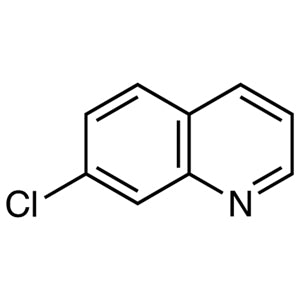
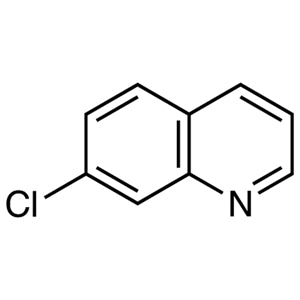
7-Chloroquinoline TCI C3085
Regular price From Rp 3.419.850,00Regular price -
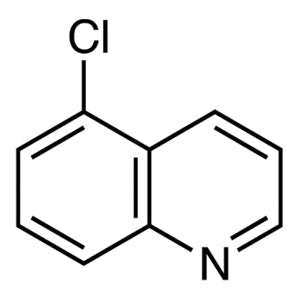
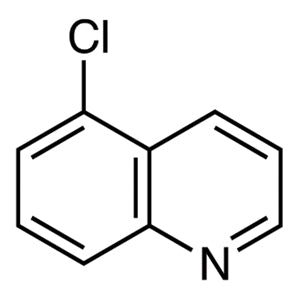
5-Chloroquinoline TCI C2997
Regular price From Rp 1.644.300,00Regular price