2,4-Dihydroxybenzophenone is a chemical compound widely used as a polymer additive in laboratory applications related to materials science and polymer chemistry. It serves as an essential component in various experimental processes, particularly in the modification of polymer properties. Its role is critical in enhancing the performance and stability of polymer-based materials, making it a valuable tool for researchers and industrial chemists. This compound is commonly employed in the field of photopolymerization, where it acts as a photoinitiator by absorbing ultraviolet light and converting it into heat, thereby facilitating the curing or crosslinking of polymers.
One of the key properties that make 2,4-Dihydroxybenzophenone a preferred choice is its excellent photostability and ability to absorb ultraviolet radiation. These characteristics allow it to function effectively in light-sensitive applications without degrading under exposure. Additionally, it exhibits good chemical stability in various environments, ensuring consistent performance in laboratory settings. Its compatibility with a wide range of polymer matrices further enhances its versatility, enabling its use in diverse research and industrial applications.
In Indonesian laboratories, 2,4-Dihydroxybenzophenone is frequently used in polymer research and development, particularly in the textile, electronics, and chemical industries. It plays a vital role in the formulation of UV-absorbing materials, coatings, and photopolymer-based products. Its application supports the development of advanced materials with improved durability and functionality, contributing to the growth of scientific innovation in the region.
TCI brochures (PDF)
- Polymer Additives 2026-04-16 · p. 6
Related TCI products
- TCI T0118 131-55-5 2,2',4,4'-Tetrahydroxybenzophenone
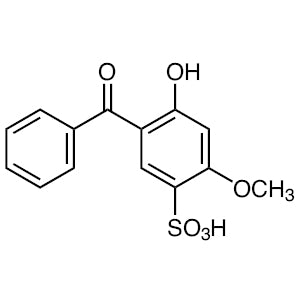
- TCI H0466 4065-45-6 2-Hydroxy-4-methoxybenzophenone-5-sulfonic Acid (contains ca 10% Isopropyl Alcohol)
- TCI H0288 1843-05-6 2-Hydroxy-4-n-octyloxybenzophenone
- TCI H0266 131-57-7 2-Hydroxy-4-methoxybenzophenone
- TCI D0575 131-54-4 2,2'-Dihydroxy-4,4'-dimethoxybenzophenone
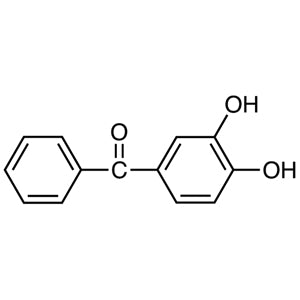
- TCI D3347 10425-11-3 3,4-Dihydroxybenzophenone
- Photopolymerization processes benefit from 2,4-Dihydroxybenzophenone as it efficiently absorbs UV light and initiates polymer crosslinking, enhancing material strength and durability.
- In polymer modification studies, it is used to improve the thermal and mechanical properties of synthetic polymers, making it essential for material science research.
- UV stabilizers in polymer coatings rely on this compound to protect materials from degradation caused by prolonged exposure to sunlight, ensuring long-term performance.
- It is commonly applied in the development of photoresponsive materials, where light-induced changes in material properties are crucial for advanced technological applications.
- Indonesian laboratories use it in the synthesis of functional polymers for electronic components, where precise control over curing and crosslinking is required.
| Brand | TCI |
|---|---|
| CAS number | 131-56-6 |
| Molecular formula | — |
| Purity | — |
| Category | Materials Science > Polymer/Macromolecule Reagents > Polymer Additives |
| Pack sizes | Available in various quantities as per standard laboratory supply |
| Physical form | Solid powder |
| Storage | Store in a cool, dry place away from direct sunlight |
2,4-Dihydroxybenzophenone should be stored in a cool, dry environment to maintain its chemical integrity and prevent degradation. It is recommended to keep it in airtight containers to minimize exposure to moisture and air, which could affect its photostability. Due to its sensitivity to light, it should be stored in a dark location or wrapped in light-proof materials. In laboratory settings, it should be handled with appropriate personal protective equipment, such as gloves and safety goggles, to ensure safety during use. Proper labeling of storage containers is essential for safe handling and to prevent accidental exposure. Regular monitoring of storage conditions ensures that the compound remains effective for its intended applications.
—
Produk Terkait
-
2,2',4,4'-Tetrahydroxybenzophenone TCI T0118
Regular price Rp 980.700,00Regular priceRp 701.400,00Sale price Rp 980.700,00 -
2-Hydroxy-4-methoxybenzophenone-5-sulfonicAcid(containsca10%IsopropylAlcohol) TCI H0466
Regular price From Rp 1.696.800,00Regular priceRp 1.202.250,00Sale price From Rp 1.696.800,00 -
2-Hydroxy-4-n-octyloxybenzophenone TCI H0288
Regular price From Rp 582.750,00Regular priceRp 423.150,00Sale price From Rp 582.750,00 -
2-Hydroxy-4-methoxybenzophenone TCI H0266
Regular price From Rp 769.650,00Regular priceRp 553.350,00Sale price From Rp 769.650,00 -
2,2'-Dihydroxy-4,4'-dimethoxybenzophenone TCI D0575
Regular price Rp 848.400,00Regular priceRp 609.000,00Sale price Rp 848.400,00 -
3,4-Dihydroxybenzophenone TCI D3347
Regular price From Rp 1.033.200,00Regular priceRp 738.150,00Sale price From Rp 1.033.200,00 -
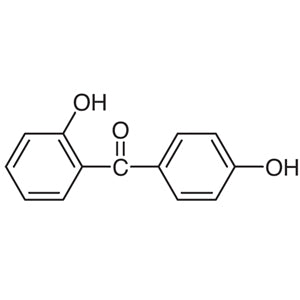
2,4'-Dihydroxybenzophenone TCI D2664
Regular price Rp 4.796.400,00Regular priceRp 3.369.450,00Sale price Rp 4.796.400,00 -
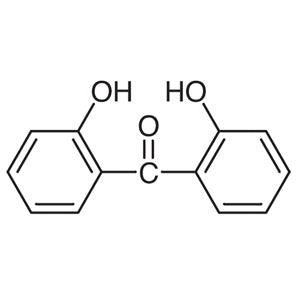
2,2'-Dihydroxybenzophenone TCI D1099
Regular price From Rp 3.683.400,00Regular priceRp 2.591.400,00Sale price From Rp 3.683.400,00