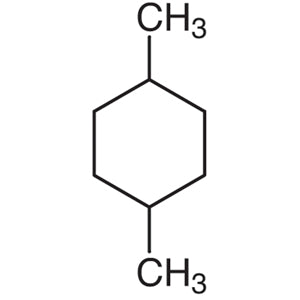
1,4-Dimethylcyclohexane (cis- and trans- mixture) is an organic compound widely used in chemical reactions for the synthesis of complex molecules. This material serves as a fundamental building block in various laboratory processes, providing a versatile platform for structural modifications and functional group manipulations. Its presence in chemical applications spans across the creation of aromatic compounds, heterocyclic structures, and complex organic frameworks. Due to its stable nature and controlled reactivity, it is a favored choice in research settings aiming for precise chemical transformations.
The compound’s unique properties, including its physical and chemical characteristics, make it a preferred option in laboratory environments. The presence of both cis and trans isomers contributes to a range of reactivity and structural diversity, allowing for tailored chemical outcomes. Its chemical stability ensures that it remains effective under various reaction conditions, while its solubility and compatibility with different solvents enhance its utility in diverse synthetic pathways. These attributes make it an essential component in both academic and industrial research.
In Indonesian laboratories, 1,4-Dimethylcyclohexane is extensively used in chemical research, particularly in organic synthesis and the development of new compounds. Its availability and reliability make it a popular choice among research institutions and educational facilities. The compound’s role in supporting scientific innovation is critical, especially in the advancement of pharmaceutical and material sciences. Its consistent performance and adaptability ensure its continued relevance in laboratory practices.
Related TCI products
- TCI D1054 2207-03-6 trans-1,3-Dimethylcyclohexane
- TCI D0699 591-21-9 1,3-Dimethylcyclohexane (cis- and trans- mixture)
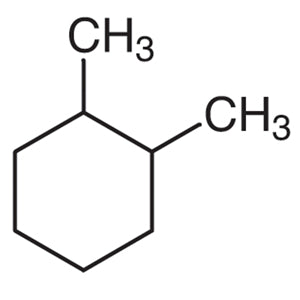
- TCI D0698 583-57-3 1,2-Dimethylcyclohexane (cis- and trans- mixture)
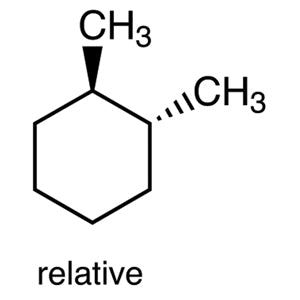
- TCI D0697 6876-23-9 trans-1,2-Dimethylcyclohexane
- TCI D0271 2207-04-7 trans-1,4-Dimethylcyclohexane
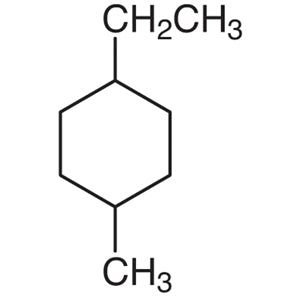
- TCI E0424 3728-56-1 1-Ethyl-4-methylcyclohexane (cis- and trans- mixture)
- In the synthesis of aromatic compounds, this material provides a foundational structure for the development of complex organic molecules.
- For heterocyclic compound synthesis, the compound's isomeric mixture allows for varied reactivity and structural diversity in reaction pathways.
- In the creation of complex organic structures, its chemical stability and controlled reactivity support precise molecular modifications.
- It is commonly used in research focused on pharmaceutical development, where structural variations are essential for drug design.
- In educational laboratories, it serves as an essential teaching tool for demonstrating organic synthesis techniques and isomer behavior.
| Brand | TCI |
|---|---|
| CAS number | 589-90-2 |
| Molecular formula | — |
| Purity | — |
| Category | Chemistry > Building Blocks > Non-Heterocyclic Building Blocks |
| Pack sizes | Available in various quantities as per supplier specifications |
| Physical form | Liquid |
| Storage | Store in a cool, dry place away from direct sunlight |
This compound should be stored in a cool, dry environment, away from direct sunlight and sources of heat. It is recommended to use airtight containers made of materials compatible with organic solvents to prevent contamination and evaporation. Due to its chemical nature, it should be handled in a well-ventilated area, and appropriate personal protective equipment should be worn when working with it. Avoid contact with skin and eyes, and ensure that spillage is promptly cleaned up using suitable safety measures. Proper storage and handling practices are essential to maintain its integrity and ensure safe laboratory operations.
—
Produk Terkait
-
trans-1,3-Dimethylcyclohexane TCI D1054
Regular price Rp 3.949.050,00Regular price -
1,3-Dimethylcyclohexane(cis-andtrans-mixture) TCI D0699
Regular price From Rp 1.458.450,00Regular price -
1,2-Dimethylcyclohexane(cis-andtrans-mixture) TCI D0698
Regular price From Rp 848.400,00Regular price -
trans-1,2-Dimethylcyclohexane TCI D0697
Regular price From Rp 1.220.100,00Regular price -
trans-1,4-Dimethylcyclohexane TCI D0271
Regular price From Rp 1.618.050,00Regular price -
1-Ethyl-4-methylcyclohexane(cis-andtrans-mixture) TCI E0424
Regular price Rp 1.856.400,00Regular price -
1,1,3-Trimethylcyclohexane TCI T0827
Regular price Rp 5.830.650,00Regular price -
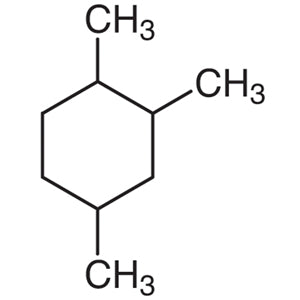
1,2,4-Trimethylcyclohexane(mixtureofstereoisomers) TCI T0825
Regular price From Rp 1.776.600,00Regular price