


2,3-Dimethylquinoxaline is a chemical compound classified under the heterocyclic category, widely used as a building block in the synthesis of complex molecules. It is a versatile intermediate in organic chemistry, known for its unique structural features that enable it to participate in various chemical reactions. This compound is particularly valuable in laboratories where the development of new materials, pharmaceuticals, and electronic components is essential. Its chemical structure, with two methyl groups positioned at the 2 and 3 positions of quinoxalin, contributes to its reactivity and functional versatility.
The compound’s stability and ability to form bonds with a variety of functional groups make it a preferred choice for chemists. Its chemical properties allow it to be used in both polar and non-polar solvents, providing flexibility in reaction conditions. This adaptability enhances its utility across different synthetic pathways, making it a reliable reagent in both academic and industrial research settings. Its high reactivity and structural stability ensure consistent performance in laboratory applications.
In Indonesian laboratories, 2,3-Dimethylquinoxaline is commonly found in organic chemistry research, especially in pharmaceutical and material science studies. Researchers in educational and research institutions frequently use this compound to explore new synthetic routes and develop innovative compounds. Its availability in various packaging options facilitates its use in both small-scale and large-scale laboratory operations.
- Organic synthesis is a key application where 2,3-Dimethylquinoxaline serves as a versatile building block for creating complex molecular structures.
- Pharmaceutical research benefits from its ability to participate in various reactions, aiding in the development of new drug compounds.
- Material science applications leverage its structural properties for the synthesis of advanced organic materials and polymers.
- Electronic component development utilizes its reactivity to create functional materials used in semiconductor and optoelectronic devices.
- Academic research in chemistry often incorporates this compound to explore novel synthetic methodologies and reaction mechanisms.
| Brand | TCI |
|---|---|
| CAS number | 2379-55-7 |
| Molecular formula | — |
| Purity | — |
| Category | Chemistry > Building Blocks > Heterocyclic Building Blocks |
| Pack sizes | Available in various sizes to suit different laboratory and industrial needs |
| Physical form | Solid, crystalline appearance |
| Storage | Store in a cool, dry place away from light and moisture |
2,3-Dimethylquinoxaline should be stored in a cool, dry environment to maintain its chemical stability. It is recommended to keep the compound in airtight containers to prevent exposure to moisture and air. Suitable storage conditions include a controlled temperature range of 15–25°C. Avoid direct sunlight and ensure the container is sealed to prevent contamination. In laboratory settings, it is important to handle the compound with appropriate personal protective equipment, such as gloves and safety goggles. Proper labeling of storage containers is essential for safe handling and to prevent accidental exposure. Regular inspection of storage conditions ensures the compound remains in optimal condition for use in research applications.
—
Produk Terkait
-
Benzo[g]quinoxaline TCI B4540
Regular price Rp 2.068.500,00Regular priceRp 1.461.600,00Sale price Rp 2.068.500,00 -
Quinoxaline1,4-Dioxide TCI Q0110
Regular price Rp 2.411.850,00Regular priceRp 1.702.050,00Sale price Rp 2.411.850,00 -
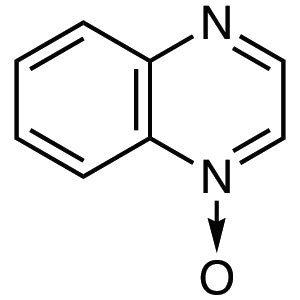
Quinoxaline1-Oxide TCI Q0108
Regular price Rp 1.670.550,00Regular priceRp 1.183.350,00Sale price Rp 1.670.550,00 -
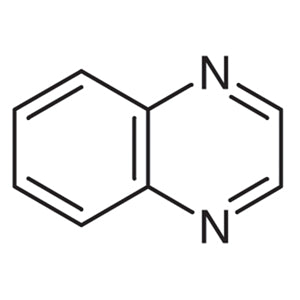
Quinoxaline TCI Q0020
Regular price Rp 1.590.750,00Regular priceRp 1.127.700,00Sale price Rp 1.590.750,00 -
5-Methylquinoxaline TCI M1371
Regular price Rp 928.200,00Regular priceRp 664.650,00Sale price Rp 928.200,00 -
2-Methylquinoxaline TCI M0580
Regular price Rp 900.900,00Regular priceRp 645.750,00Sale price Rp 900.900,00 -
6H-Indolo[2,3-b]quinoxaline TCI I1098
Regular price Rp 1.856.400,00Regular priceRp 1.313.550,00Sale price Rp 1.856.400,00 -
4,6,8-Trimethylquinoline TCI T1409
Regular price Rp 5.697.300,00Regular priceRp 3.999.450,00Sale price Rp 5.697.300,00
![260-50-4 Benzo[g]quinoxaline - AMI Scientific](http://amiscientific.com/cdn/shop/files/TCI2510B4540.jpg?v=1767091332&width=533)



![243-59-4 6H-Indolo[2,3-b]quinoxaline - AMI Scientific](http://amiscientific.com/cdn/shop/files/TCI2510I1098.jpg?v=1767120775&width=533)
