Sodium Diphenylamine-4-sulfonate is a chemical compound widely used in various laboratory applications, particularly in chemical reactions and analytical processes. It serves as a versatile building block in organic synthesis, contributing to the development of complex molecules through substitution and redox reactions. Its structural composition includes phenyl groups and sulfonate moieties, which provide both reactivity and stability. This compound is essential in laboratory settings where precision and reliability are critical. Its ability to act as a reagent in quantitative analysis makes it a valuable tool for identifying and measuring specific substances.
The compound is known for its chemical stability under normal conditions, though it is sensitive to UV light and oxidation. These properties make it suitable for use in controlled environments where reactivity can be managed. Its stability allows for consistent results in analytical procedures, while its reactivity ensures it can participate in a wide range of chemical transformations. The compound’s versatility and reliability make it a preferred choice for researchers and analysts in various scientific disciplines.
In Indonesian laboratories, Sodium Diphenylamine-4-sulfonate is commonly used in chemical research, qualitative and quantitative analysis, and other applications requiring precise chemical reactions. Its availability in solid form facilitates easy handling and accurate measurement, making it an essential component in both small-scale and large-scale laboratory operations. Its role in supporting scientific investigations underscores its importance in the Indonesian scientific community.
TCI brochures (PDF)
- Titration Reagents and TLC Stains 2026-05-07 · p. 10
Related TCI products
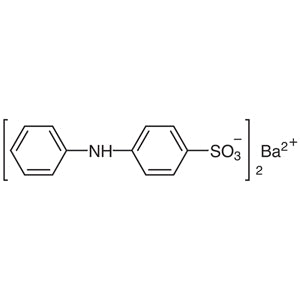
- TCI D0876 6211-24-1 Barium Diphenylamine-4-sulfonate
- TCI A0508 153277-35-1 Sodium Anthraquinone-2-sulfonate Monohydrate
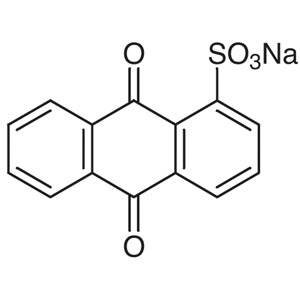
- TCI A1428 128-56-3 Sodium Anthraquinone-1-sulfonate
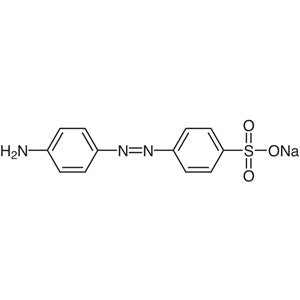
- TCI A0748 2491-71-6 Sodium 4-Aminoazobenzene-4'-sulfonate
- TCI N0371 5042-33-1 Sodium 2-Nitroaniline-4-sulfonate
- TCI N0043 521-24-4 Sodium 1,2-Naphthoquinone-4-sulfonate
- Used in organic synthesis for substitution and redox reactions due to its reactive functional groups and stability.
- Applied in quantitative analysis as a reagent for identifying and measuring specific compounds with high accuracy.
- Utilized in chemical research to develop new compounds and test reaction mechanisms under controlled conditions.
- Employed in qualitative analysis to detect and characterize unknown substances through chemical interactions.
- Integrated into analytical procedures for ensuring consistency and precision in experimental results.
| Brand | TCI |
|---|---|
| CAS number | 6152-67-6 |
| Molecular formula | — |
| Purity | — |
| Category | Chemistry > Building Blocks > Non-Heterocyclic Building Blocks |
| Pack sizes | Available in various quantities suitable for both small and large-scale laboratory use |
| Physical form | Solid |
| Storage | Should be stored in dark, dry containers to prevent degradation from UV exposure and oxidation |
Sodium Diphenylamine-4-sulfonate should be stored in a cool, dark, and dry environment to maintain its chemical stability and prevent degradation. It is recommended to use airtight containers to minimize exposure to moisture and air, which can lead to oxidation. Due to its sensitivity to UV light, it should be kept away from direct sunlight and fluorescent lighting. In laboratory settings, it is important to handle the compound with care, using appropriate personal protective equipment to ensure safety. Proper storage conditions are crucial for preserving its reactivity and ensuring consistent performance in analytical and synthetic applications.
—
Produk Terkait
-
BariumDiphenylamine-4-sulfonate TCI D0876
Regular price From Rp 1.881.600,00Regular priceRp 1.315.650,00Sale price From Rp 1.881.600,00 -
SodiumAnthraquinone-2-sulfonateMonohydrate TCI A0508
Regular price From Rp 822.150,00Regular priceRp 590.100,00Sale price From Rp 822.150,00 -
SodiumAnthraquinone-1-sulfonate TCI A1428
Regular price From Rp 1.192.800,00Regular priceRp 849.450,00Sale price From Rp 1.192.800,00 -
Sodium4-Aminoazobenzene-4'-sulfonate TCI A0748
Regular price From Rp 1.087.800,00Regular priceRp 760.200,00Sale price From Rp 1.087.800,00 -
Sodium2-Nitroaniline-4-sulfonate TCI N0371
Regular price From Rp 1.273.650,00Regular priceRp 890.400,00Sale price From Rp 1.273.650,00 -
Sodium1,2-Naphthoquinone-4-sulfonate TCI N0043
Regular price From Rp 717.150,00Regular priceRp 516.600,00Sale price From Rp 717.150,00 -
Sodium2-Naphthol-7-sulfonate TCI N0036
Regular price Rp 1.749.300,00Regular priceRp 1.223.250,00Sale price Rp 1.749.300,00 -
Sodium2-Naphthol-6-sulfonate TCI N0035
Regular price From Rp 980.700,00Regular priceRp 685.650,00Sale price From Rp 980.700,00