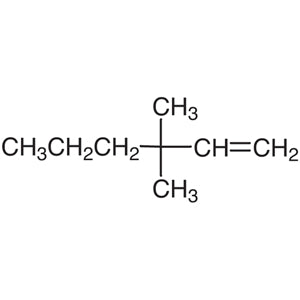
3,3-Dimethyl-1-hexene is an organic compound widely used in chemical reactions to construct complex molecular structures. As a building block in synthetic chemistry, it serves as a fundamental component for the synthesis of various compounds. This compound is particularly valued in laboratory settings for its versatility and reactivity, making it a key reagent in multiple synthetic pathways. Its presence in the chemical industry highlights its importance in both academic and industrial research.
The compound's structural features, including its aliphatic backbone and two methyl groups at position 3, contribute to its reactivity. The presence of a double bond between carbons 1 and 2 provides multiple functionalization opportunities, enabling the formation of diverse chemical products. Its stability under controlled conditions further enhances its utility in chemical synthesis. These properties make it a preferred choice for chemists working on a wide range of projects.
In Indonesian laboratories, 3,3-Dimethyl-1-hexene is commonly used for research, development, and educational purposes. It supports both basic and advanced chemistry experiments, aiding in the creation of new compounds and the study of reaction mechanisms. Its availability through AMI Scientific ensures that researchers and educators have access to this essential building block for their work.
- Organic synthesis of aromatic and aliphatic compounds due to its versatile functional groups and reactivity
- Facilitating substitution and addition reactions in the formation of complex molecular structures
- Supporting research in chemical development for new materials and pharmaceutical applications
- Enhancing educational experiments for teaching fundamental chemical reaction mechanisms
- Providing a reliable building block for advanced synthetic pathways in academic and industrial settings
| Brand | TCI |
|---|---|
| CAS number | 3404-77-1 |
| Molecular formula | — |
| Purity | — |
| Category | Chemistry > Building Blocks > Non-Heterocyclic Building Blocks |
| Pack sizes | Available in standard laboratory quantities |
| Physical form | Liquid |
| Storage | Store in a cool, dry place away from light and incompatible materials |
This compound should be stored in a cool, dry environment, away from direct sunlight and sources of heat. It is recommended to use airtight containers made of glass or high-density polyethylene to prevent contamination and evaporation. Due to its reactivity, it should be handled in a well-ventilated area, and appropriate personal protective equipment should be worn. Avoid contact with strong oxidizing agents and ensure proper disposal following local regulations. Regular monitoring of storage conditions is essential to maintain its chemical integrity and ensure safe handling in laboratory settings.
—
Produk Terkait
-
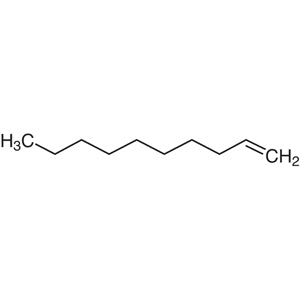
1-Decene TCI D0028
Regular price From Rp 505.050,00Regular price -
1-Decyne TCI D0037
Regular price From Rp 875.700,00Regular price -
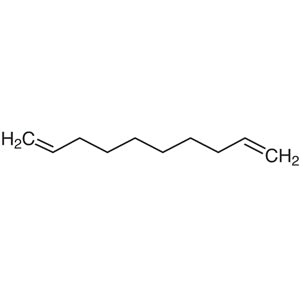
1,9-Decadiene TCI D0245
Regular price From Rp 1.378.650,00Regular price -
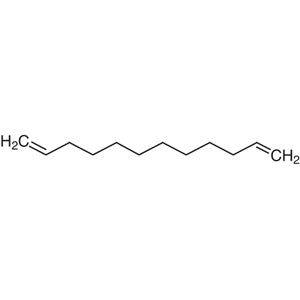
1,11-Dodecadiene TCI D0283
Regular price From Rp 3.949.050,00Regular price -
2,3-Dimethyl-2-butene TCI D0693
Regular price From Rp 1.829.100,00Regular price -
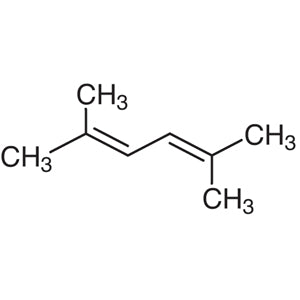
2,5-Dimethyl-2,4-hexadiene(stabilizedwithBHT) TCI D0735
Regular price From Rp 903.000,00Regular price -
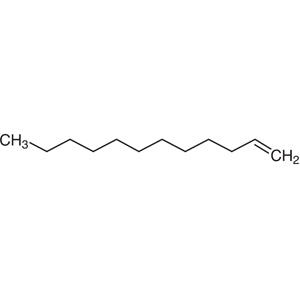
1-Dodecene TCI D0974
Regular price From Rp 505.050,00Regular price -
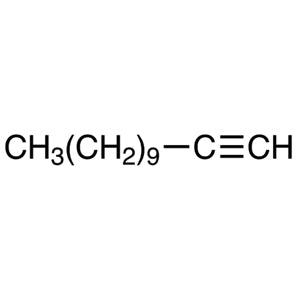
1-Dodecyne TCI D0997
Regular price From Rp 1.008.000,00Regular price