

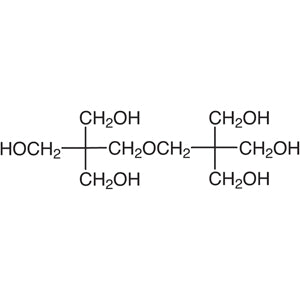
Dipentaerythritol is a chemical compound widely used as a foundational material in various chemical reactions and molecular synthesis processes. It serves as a key building block in organic chemistry, particularly in the creation of complex molecules with specific structural requirements. As a non-heterocyclic building block, Dipentaerythritol offers a versatile platform for chemical modifications due to its multiple hydroxyl groups. These functional groups enable it to act as a reactive site in a wide range of synthetic pathways, making it an essential component in laboratory settings.
The compound is known for its chemical stability and high reactivity, which are critical factors in ensuring reliable and consistent results in synthetic applications. Its ability to form esters, acids, and other organic compounds makes it highly sought after in research environments. Additionally, Dipentaerythritol is capable of interacting with various functional groups, allowing for the development of compounds with diverse physical and chemical properties. This adaptability makes it a preferred choice for researchers aiming to explore new synthetic routes.
In Indonesian laboratories, Dipentaerythritol is commonly used in organic chemistry research, especially in the pharmaceutical and chemical manufacturing industries. Its role in creating complex molecular structures supports innovation and development in these fields. The compound's versatility and reliability make it a staple in both academic and industrial research settings across Indonesia.
TCI brochures (PDF)
- Biomaterials Research Reagents 2025-02-19 · p. 19
Related TCI products
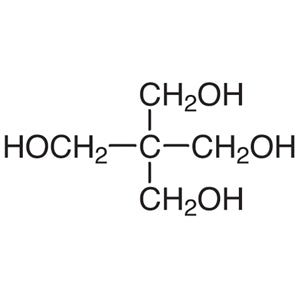
- TCI P0039 115-77-5 Pentaerythritol
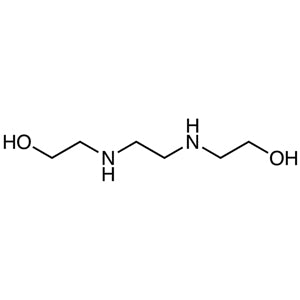
- TCI B3807 4439-20-7 N,N'-Bis(2-hydroxyethyl)ethylenediamine
- TCI B3384 821-11-4 trans-2-Butene-1,4-diol
- TCI B1643 10038-40-1 2,2'-Bis(hydroxymethyl)diphenyl Ether
- TCI B1621 20601-38-1 4,4'-Bicyclohexanol (mixture of isomers)
- TCI B1158 1455-42-1 3,9-Bis(1,1-dimethyl-2-hydroxyethyl)-2,4,8,10-tetraoxaspiro[5.5]undecane
- Organic synthesis applications benefit from Dipentaerythritol's multiple hydroxyl groups, which allow for diverse chemical modifications and functional group transformations.
- Pharmaceutical research utilizes this compound to create complex molecules essential for drug development and formulation processes.
- Chemical manufacturing relies on Dipentaerythritol for its ability to form esters and other derivatives, contributing to the production of specialty chemicals.
- Analytical chemistry experiments use Dipentaerythritol as a standard reference material for testing and calibration purposes.
- Polymer science applications take advantage of its reactivity to create polymeric materials with tailored properties for various industrial uses.
| Brand | TCI |
|---|---|
| CAS number | 126-58-9 |
| Molecular formula | — |
| Purity | — |
| Category | Chemistry > Building Blocks > Non-Heterocyclic Building Blocks |
| Pack sizes | Available in various quantities as per supplier specifications |
| Physical form | Solid |
| Storage | Store in a cool, dry place away from moisture and direct sunlight |
Dipentaerythritol should be stored in a cool, dry environment to maintain its chemical stability and prevent degradation. It is recommended to keep the compound in a sealed container to avoid moisture absorption, which could affect its reactivity. Suitable storage containers include glass or high-density polyethylene (HDPE) vessels that are resistant to chemical interactions. In laboratory settings, it is important to handle Dipentaerythritol with appropriate personal protective equipment (PPE) such as gloves and safety goggles to ensure safe handling. The compound should be stored away from incompatible materials to prevent any potential chemical reactions. Regular inspection of storage conditions ensures the material remains in optimal condition for use in research and synthesis processes.
—
Product Categories
Produk Terkait
-
Pentaerythritol TCI P0039
Regular price From Rp 477.750,00Regular price -
N,N'-Bis(2-hydroxyethyl)ethylenediamine TCI B3807
Regular price Rp 3.498.600,00Regular price -
trans-2-Butene-1,4-diol TCI B3384
Regular price From Rp 2.757.300,00Regular price -
2,2'-Bis(hydroxymethyl)diphenylEther TCI B1643
Regular price From Rp 3.763.200,00Regular price -
4,4'-Bicyclohexanol(mixtureofisomers) TCI B1621
Regular price From Rp 1.565.550,00Regular price -
3,9-Bis(1,1-dimethyl-2-hydroxyethyl)-2,4,8,10-tetraoxaspiro[5.5]undecane TCI B1158
Regular price From Rp 1.008.000,00Regular price -
2-Butyl-2-ethyl-1,3-propanediol TCI B0922
Regular price From Rp 477.750,00Regular price -
cis-2-Butene-1,4-diol TCI B0693
Regular price From Rp 717.150,00Regular price


![1455-42-1 3,9-Bis(1,1-dimethyl-2-hydroxyethyl)-2,4,8,10-tetraoxaspiro[5.5]undecane - AMI Scientific](http://amiscientific.com/cdn/shop/files/TCI2510B1158_609993f6-3ef5-43f1-b023-4ccd96c49dd8.jpg?v=1767231560&width=533)

