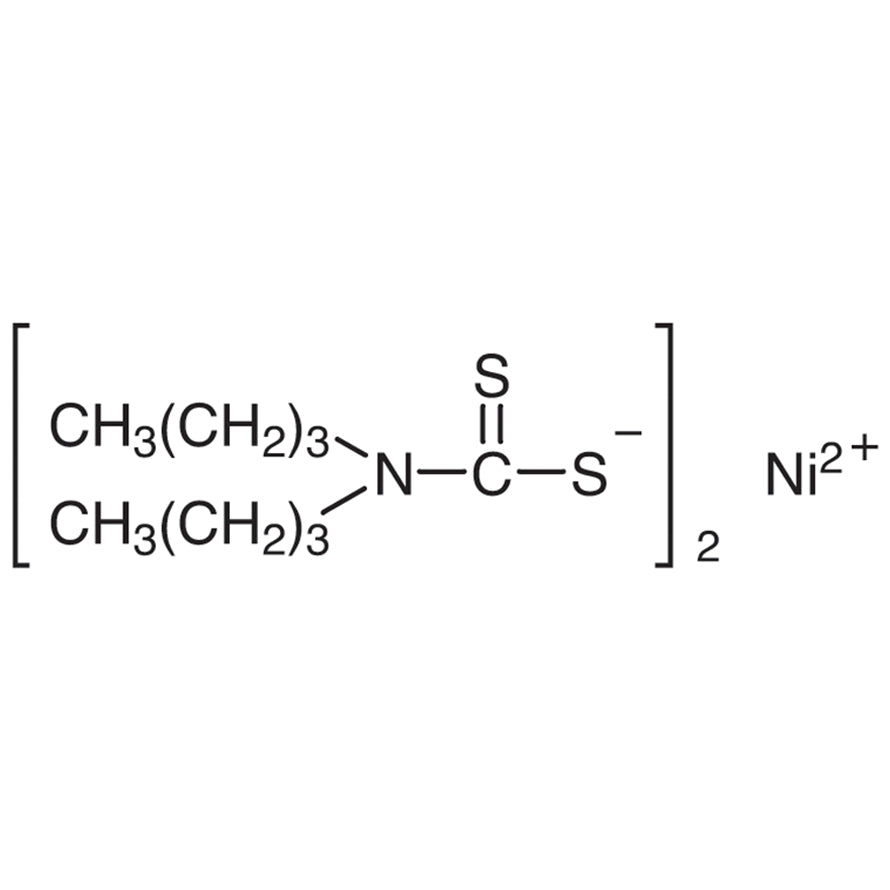
Nickel(II) Dibutyldithiocarbamate is a chemical compound widely used in laboratory settings for its catalytic properties. As a transition metal complex, it plays a crucial role in various chemical reactions and catalytic processes. This compound is particularly valuable in organic and inorganic chemistry research, where it serves as a catalyst to accelerate reactions without being consumed in the process. Its ability to facilitate chemical transformations makes it an essential tool for researchers aiming to optimize reaction conditions and improve synthetic efficiency.
The compound's stability and controlled reactivity make it a preferred choice for laboratory applications. Its molecular structure, featuring nitrogen and sulfur atoms, contributes to its reactivity and ability to coordinate with various ligands. This characteristic enables it to act as a metal center in redox reactions, making it suitable for a wide range of synthetic and catalytic applications. Its versatility and consistent performance in different reaction environments further enhance its appeal in both academic and industrial research settings.
In Indonesian laboratories, Nickel(II) Dibutyldithiocarbamate is commonly used in chemical research that requires efficient and stable catalysts. It is frequently employed in experiments involving organic synthesis and catalytic processes. Many research institutions and universities in Indonesia rely on this compound for its reliability and effectiveness in facilitating complex chemical reactions. Its widespread use underscores its importance in advancing chemical research and development in the region.
Related TCI products
- Organic synthesis reactions benefit from this compound's ability to act as a catalyst, enhancing reaction rates and selectivity in complex molecular transformations.
- Catalytic processes in inorganic chemistry often utilize its transition metal properties to facilitate redox reactions and improve reaction efficiency.
- Heterogeneous catalysis applications leverage its structural stability and reactivity for use in industrial and academic settings.
- Research on coordination chemistry benefits from its capacity to coordinate with various ligands, enabling the study of metal-ligand interactions.
- Chemical process optimization in laboratory settings relies on its controlled reactivity and stability, allowing for precise reaction control and reproducibility.
| Brand | TCI |
|---|---|
| CAS number | 13927-77-0 |
| Molecular formula | — |
| Purity | — |
| Category | Chemistry > Catalysis and Inorganic Chemistry > Transition Elements |
| Pack sizes | — |
| Physical form | — |
| Storage | Store in a cool, dry place away from moisture and direct sunlight |
Nickel(II) Dibutyldithiocarbamate should be stored in a cool, dry environment to maintain its chemical stability. It is recommended to keep the compound in a sealed container to prevent exposure to moisture and air, which could affect its reactivity. Suitable storage containers should be made of materials that are chemically inert to avoid any unwanted reactions. In laboratory settings, it is important to handle the compound with care, using appropriate personal protective equipment to ensure safety. Regular monitoring of storage conditions is advised to maintain the integrity of the compound and ensure its effectiveness in experimental applications.
—
Produk Terkait
-
(Butylamine)[2,2'-thiobis(4-tert-octylphenolato)]nickel(II) TCI T3635
Regular price From Rp 955.500,00Regular price -
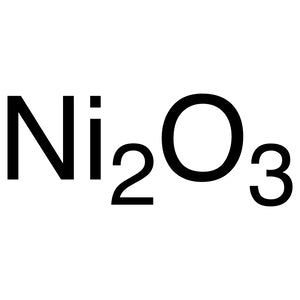
Nickel(III)OxideBlack TCI N1291
Regular price From Rp 2.121.000,00Regular price -
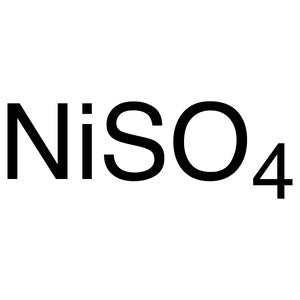
Nickel(II)Sulfate TCI N1264
Regular price From Rp 875.700,00Regular price -
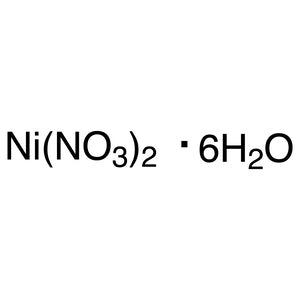
Nickel(II)NitrateHexahydrate TCI N1252
Regular price From Rp 610.050,00Regular price -
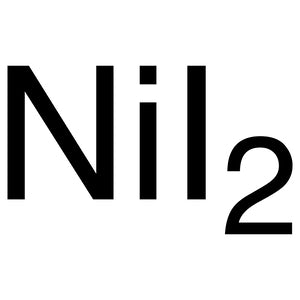
Nickel(II)Iodide TCI N1238
Regular price From Rp 1.644.300,00Regular price -
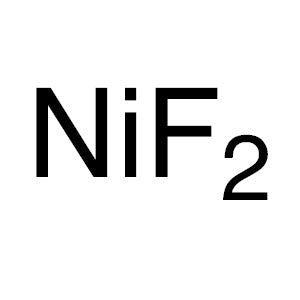
Nickel(II)Fluoride TCI N1215
Regular price From Rp 1.326.150,00Regular price -
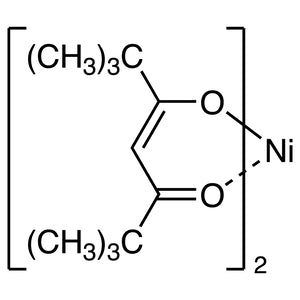
Nickel(II)Bis(2,2,6,6-tetramethyl-3,5-heptanedionate) TCI N1207
Regular price From Rp 1.485.750,00Regular price -
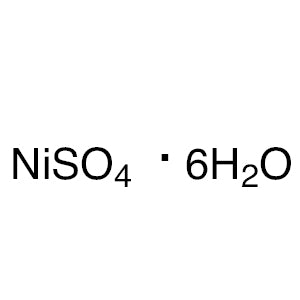
Nickel(II)SulfateHexahydrate TCI N1203
Regular price From Rp 477.750,00Regular price
![14516-71-3 (Butylamine)[2,2'-thiobis(4-tert-octylphenolato)]nickel(II) - AMI Scientific](http://amiscientific.com/cdn/shop/files/TCI2510T3635.jpg?v=1768819793&width=533)