2,2-Dimethylglutaric Acid is a chemical compound widely used in laboratory settings for the synthesis of complex organic molecules. As a key building block in organic chemistry, it plays a crucial role in various chemical reactions, including the formation of esters, amides, and heterocyclic compounds. Its versatility makes it an essential tool for researchers aiming to develop new chemical structures and functional materials. This compound is particularly valued for its stability and predictable reactivity, allowing chemists to control reaction outcomes with precision.
The compound's consistent chemical and physical properties make it a preferred choice for both academic and industrial research. Its solid form ensures ease of handling and storage, while its reactivity allows for efficient participation in synthetic pathways. These characteristics make it suitable for use in a wide range of experimental conditions. The compound's reliability and availability further enhance its appeal for routine laboratory applications.
In Indonesian laboratories, 2,2-Dimethylglutaric Acid is commonly used in organic chemistry research and applied studies. It is frequently employed in educational institutions and research centers to teach and explore organic reactivity. Its local availability supports ongoing scientific investigations, making it a practical choice for both students and professionals. The compound's role in synthesizing complex molecules contributes significantly to the advancement of chemical knowledge in the region.
- Organic synthesis of complex molecules due to its stable structure and controlled reactivity
- Preparation of esters and amides in chemical reactions for functional group modification
- Research in heterocyclic compound development for pharmaceutical and material science applications
- Educational use in teaching organic chemistry fundamentals and reaction mechanisms
- Support for applied research in industrial chemical processes and polymer science
| Brand | TCI |
|---|---|
| CAS number | 681-57-2 |
| Molecular formula | — |
| Purity | — |
| Category | Chemistry > Building Blocks > Non-Heterocyclic Building Blocks |
| Pack sizes | Available in various quantities as per standard laboratory supply |
| Physical form | Solid |
| Storage | Store in a cool, dry place away from moisture and direct sunlight |
This compound should be stored in a cool, dry environment to maintain its chemical integrity. It is recommended to keep it in a sealed container to prevent exposure to moisture and air. Due to its solid form, it is suitable for storage in glass or plastic containers with tight lids. Laboratory personnel should handle it with care, using appropriate personal protective equipment when necessary. Avoid direct contact with skin or inhalation of vapors during handling. Ensure proper ventilation in the workspace to minimize any potential exposure. Regular monitoring of storage conditions will help maintain the compound's quality and usability for experimental purposes.
—
Produk Terkait
-
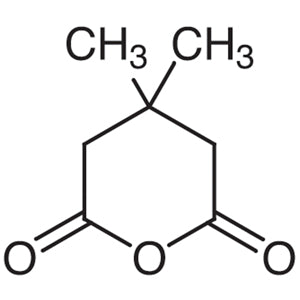
2,2-DimethylglutaricAnhydride TCI D1325
Regular price From Rp 3.155.250,00Regular price -
3,3-DimethylglutaricAnhydride TCI D1323
Regular price From Rp 1.060.500,00Regular price -
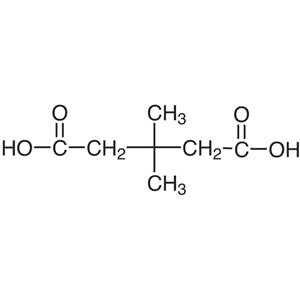
3,3-DimethylglutaricAcid TCI D1322
Regular price From Rp 2.809.800,00Regular price -
2-MethylglutaricAcid TCI M1300
Regular price From Rp 1.167.600,00Regular price -
3-MethylglutaricAnhydride TCI M1010
Regular price Rp 2.439.150,00Regular price -
3-MethylglutaricAcid TCI M0330
Regular price From Rp 1.140.300,00Regular price -
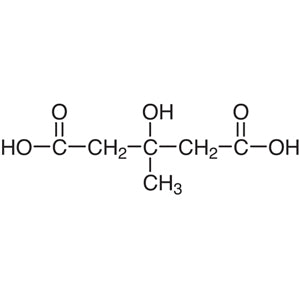
3-Hydroxy-3-methylglutaricAcid TCI H0436
Regular price Rp 5.803.350,00Regular price -
3-Ethyl-3-methylglutaricAcid TCI E0285
Regular price Rp 3.525.900,00Regular price