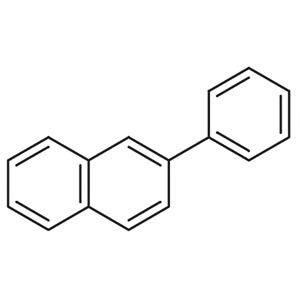
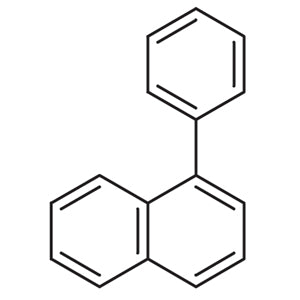
2,7-Diisopropylnaphthalene is a chemical compound widely used in laboratory settings for the synthesis of complex molecules. As a key building block in organic chemistry, it serves as a versatile reagent that can participate in various chemical reactions to produce more intricate structures. This compound is commonly found in the category of non-heterocyclic building blocks, making it a valuable resource for chemists seeking to expand their synthetic capabilities. Its role in the laboratory is primarily as a foundational material that enables the development of new compounds and materials through controlled chemical transformations.
The compound’s stability and reactivity make it a preferred choice for a wide range of experimental applications. Its molecular structure, featuring two isopropyl groups attached to a naphthalene core, provides a unique platform for chemical modifications. These properties allow it to remain intact under various reaction conditions, ensuring consistency and reliability in experimental outcomes. Additionally, its low volatility simplifies handling and storage, making it a practical option for both research and industrial applications. The combination of these characteristics ensures that it remains a reliable and effective component in chemical synthesis processes.
In Indonesian laboratories, 2,7-Diisopropylnaphthalene is frequently utilized in organic chemistry research, particularly in the synthesis of aromatic compounds and their derivatives. It is also employed in the development of industrial chemical products, such as solvents and pharmaceutical precursors. Its versatility and chemical stability make it an essential tool for researchers working on complex molecular structures and functional materials.
- Organic synthesis applications benefit from this compound's ability to participate in a variety of chemical reactions, enabling the creation of complex molecular structures.
- It is ideal for use in the development of pharmaceutical intermediates due to its stability and reactivity in controlled environments.
- The compound supports research in aromatic compound synthesis, offering a reliable starting material for creating new chemical entities.
- It is commonly used in industrial chemical production processes, particularly in the formulation of solvents and specialty chemicals.
- Its non-volatile nature makes it suitable for applications requiring long-term storage and consistent performance in chemical reactions.
| Brand | TCI |
|---|---|
| CAS number | 40458-98-8 |
| Molecular formula | — |
| Purity | — |
| Category | Chemistry > Building Blocks > Non-Heterocyclic Building Blocks |
| Pack sizes | Available in various quantities as per supplier specifications |
| Physical form | Solid or liquid, depending on supplier packaging |
| Storage | Store in a cool, dry place away from direct sunlight and incompatible materials |
This compound should be stored in a cool, dry environment to maintain its chemical integrity. It is recommended to use sealed containers to prevent exposure to moisture and air, which could affect its stability. Due to its non-volatile nature, it is less prone to evaporation, but proper sealing is still essential for long-term storage. Laboratory personnel should handle it with care, using appropriate personal protective equipment such as gloves and safety goggles. It should be kept away from incompatible substances to avoid any potential chemical interactions. Regular monitoring of storage conditions ensures that the compound remains in optimal condition for use in experimental applications.
—
Produk Terkait
-
1-Isopropylnaphthalene TCI I0578
Regular price From Rp 1.988.700,00Regular price -
2-Isopropylnaphthalene TCI I0327
Regular price Rp 3.843.000,00Regular price -
2-Ethylnaphthalene TCI E0147
Regular price Rp 5.089.350,00Regular price -
1-Ethylnaphthalene TCI E0146
Regular price From Rp 2.279.550,00Regular price -
2,7-Di-tert-butylnaphthalene TCI D2370
Regular price From Rp 2.916.900,00Regular price -
2,6-Di-tert-butylnaphthalene TCI D2369
Regular price From Rp 2.227.050,00Regular price -
2-Phenylnaphthalene TCI P0679
Regular price Rp 2.359.350,00Regular price -
1-Phenylnaphthalene TCI P0632
Regular price Rp 2.862.300,00Regular price