1,6-Diphenyl-1,6-hexanedione is a chemical compound widely used as a building block in the synthesis of complex organic molecules. This compound is essential in laboratory settings where the construction of molecular structures requires both reactivity and stability. Its unique molecular structure, featuring two phenyl groups connected by a hexanone chain, makes it a versatile intermediate in various synthetic pathways. The compound's ability to participate in multiple reaction types, such as Diels-Alder and substitution reactions, enhances its utility in organic chemistry research.
The compound's preferred status in laboratories stems from its chemical properties that support a wide range of synthetic applications. It exhibits good stability under controlled conditions, which is crucial for maintaining the integrity of chemical reactions. Its reactivity allows it to be a key player in the development of new compounds, especially in research requiring precise control over reaction mechanisms. These characteristics make it an ideal choice for both academic and industrial chemical synthesis processes.
In Indonesian laboratories, 1,6-Diphenyl-1,6-hexanedione is commonly used in organic chemistry research, particularly in universities and research institutions. Its role in the development of new chemical structures and its compatibility with various synthetic techniques make it a valuable resource for chemists working on complex molecular designs. Its presence in laboratory workflows reflects its importance in advancing chemical research and innovation in the region.
Related TCI products
- TCI M0752 13706-86-0 5-Methyl-2,3-hexanedione
- TCI H0573 4437-51-8 3,4-Hexanedione
- TCI M1133 1193-55-1 2-Methyl-1,3-cyclohexanedione
- TCI M0945 4341-24-6 5-Methyl-1,3-cyclohexanedione
- TCI H1546 172611-72-2 2-(1-Hydroxy-3-methylbutylidene)-5,5-dimethyl-1,3-cyclohexanedione
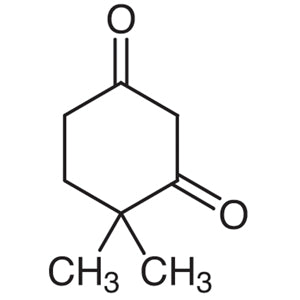
- TCI D2681 562-46-9 4,4-Dimethyl-1,3-cyclohexanedione
- Organic synthesis projects benefit from this compound due to its reactivity and structural versatility in creating complex molecules.
- It is ideal for Diels-Alder reactions because of its ability to act as a diene or dienophile, enhancing reaction efficiency.
- In substitution reactions, its stability and reactivity make it a reliable intermediate for functional group transformations.
- It supports the development of pharmaceutical compounds by serving as a building block for drug molecule synthesis.
- Research institutions use it extensively in academic studies to explore new synthetic methodologies and chemical properties.
| Brand | TCI |
|---|---|
| CAS number | 3375-38-0 |
| Molecular formula | — |
| Purity | — |
| Category | Chemistry > Building Blocks > Non-Heterocyclic Building Blocks |
| Pack sizes | Available in various quantities as per supplier specifications |
| Physical form | Solid, typically in crystalline or powder form |
| Storage | Store in a cool, dry place away from light and moisture |
This compound should be stored in a cool, dry environment, away from direct sunlight and moisture to maintain its chemical integrity. It is recommended to use airtight containers made of glass or inert materials to prevent contamination and degradation. Laboratory personnel should handle the compound with care, using appropriate personal protective equipment such as gloves and safety goggles. Due to its reactivity, it should be stored separately from strong oxidizing or reducing agents. Proper ventilation is also essential when handling this compound to ensure a safe working environment.
—
Produk Terkait
-
5-Methyl-2,3-hexanedione TCI M0752
Regular price Rp 3.155.250,00Regular price -
3,4-Hexanedione TCI H0573
Regular price From Rp 823.200,00Regular price -
2-Methyl-1,3-cyclohexanedione TCI M1133
Regular price From Rp 1.618.050,00Regular price -
5-Methyl-1,3-cyclohexanedione TCI M0945
Regular price From Rp 955.500,00Regular price -
2-(1-Hydroxy-3-methylbutylidene)-5,5-dimethyl-1,3-cyclohexanedione TCI H1546
Regular price From Rp 2.121.000,00Regular price -
4,4-Dimethyl-1,3-cyclohexanedione TCI D2681
Regular price Rp 2.121.000,00Regular price -
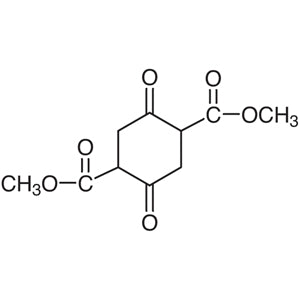
Dimethyl1,4-Cyclohexanedione-2,5-dicarboxylate TCI C1343
Regular price From Rp 717.150,00Regular price -
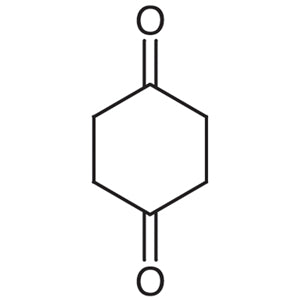
1,4-Cyclohexanedione TCI C0730
Regular price From Rp 1.298.850,00Regular price